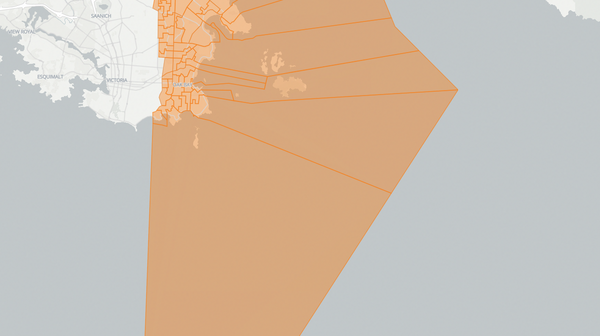
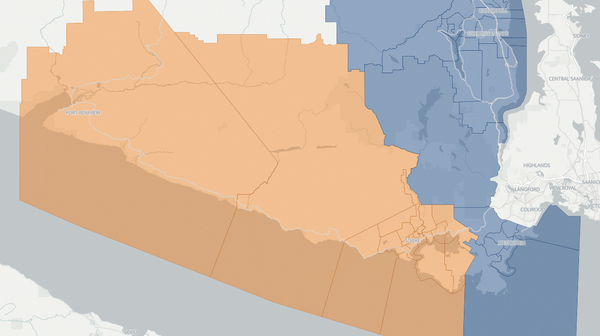
Langford-Highlands — 2024 British Columbia Provincial Election Results Map
Langford-Highlands — 2024 Election Results
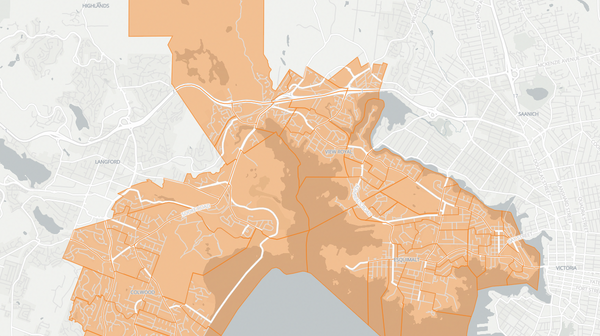
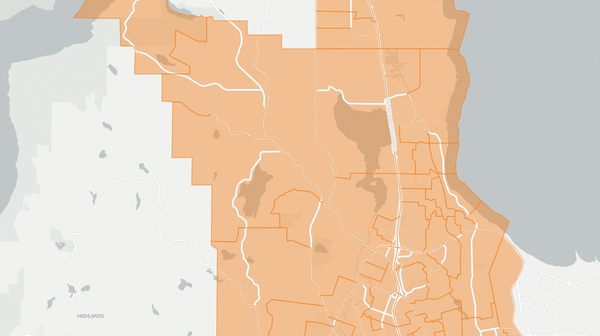
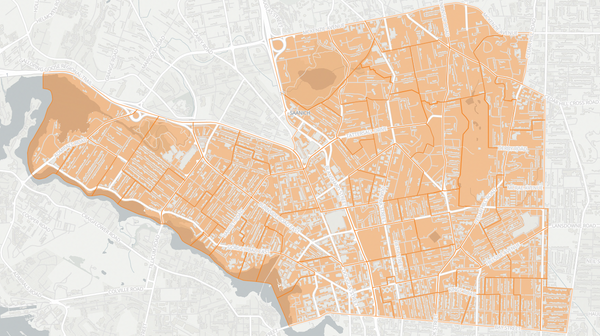
Poll-by-poll results for Langford-Highlands in the 2024 British Columbia election. The BC NDP candidate won this riding. Explore detailed voting data, candidate results, and turnout statistics at the poll level.
Riding information
Auto generated. Flag an issue.Langford—Highlands
Langford—Highlands centres on the City of Langford, one of the fastest-growing municipalities in British Columbia, and includes the District of Highlands to its north—a semi-rural community of forested properties and hobby farms on the outskirts of Greater Victoria. The riding was created for the 2024 election from the former Langford—Juan de Fuca constituency, which was split after the Juan de Fuca portion was reassigned to the new Juan de Fuca—Malahat district. Langford's population had grown at a rapid pace, increasing more than 31 per cent between 2016 and 2021—among the fastest rates in the province.
Candidates
Ravi Parmar (BC NDP) — Parmar was first elected in a June 2023 by-election to succeed former premier John Horgan. Born in 1994 to parents who immigrated from India and both worked in health care, he grew up in Langford and attended Belmont Secondary School. He earned a Bachelor of Arts in political science from the University of Victoria and was elected to the Sooke School District 62 Board of Education at age 20—the youngest school trustee in Canada at the time—before being elected board chair. He had served as a ministerial advisor and chief of staff to several provincial ministers and was appointed Parliamentary Secretary for International Credentials in February 2024.
Mike Harris (Conservative Party) — Harris was an award-winning realtor and journeyman carpenter who had been a businessman and entrepreneur for more than 40 years. He and his wife were Langford residents who had operated a small business together for eight years before it closed during the pandemic. He had run in the 2023 Langford—Juan de Fuca by-election, achieving a strong second-place finish.
Erin Cassels (BC Green Party) — Cassels was the general manager of a Victoria-area hotel and suites with a background in hospitality management, holding credentials from the University of Victoria, Camosun College, and Cornell University. She was a member of the Kebaowek Algonquin First Nation and focused her campaign on managing growth, public transportation, and the housing crisis.
Local Issues
Managing the pace and consequences of Langford's explosive growth was the defining challenge of the riding. The city's population was projected to continue growing rapidly, and the wave of residential construction—including high-rises, townhouse complexes, and single-family subdivisions in Westhills, Kettle Creek, and Bear Mountain—was transforming the landscape. School District 62 Sooke, which served Langford, Colwood, and surrounding communities, struggled to keep pace with enrolment growth that outstripped funded construction timelines. The question of whether community amenities—parks, recreation centres, transit—were keeping up with residential development was a recurring concern among longtime residents watching their community transform.
Transportation congestion remained the daily frustration for tens of thousands of commuters travelling between Langford and Greater Victoria. The so-called Colwood Crawl—severe rush-hour gridlock on Highway 1 and connecting arterials—continued to worsen as each new subdivision added vehicles to the corridor. BC Transit's RapidBus service provided some relief, but residents and local officials argued that a more transformative solution was overdue. The E&N rail corridor, a disused right-of-way between Langford and Victoria, continued to be studied as a potential commuter rail route, but no firm commitment had materialized by election day.
Housing affordability, despite Langford's reputation as a more attainable alternative to Victoria's urban core, was eroding. The city's aggressive approach to development had attracted young families and first-time buyers, but prices had climbed steadily as demand outpaced even Langford's rapid building pace. The NDP government pointed to its investments in childcare, the elimination of MSP premiums, and affordable housing construction as affordability measures, but the cost of living on southern Vancouver Island—including groceries, fuel, and utilities—remained a concern for working families whose wages had not kept pace.