Surrey South — 2024 British Columbia Provincial Election Results Map
Surrey South — 2024 Election Results
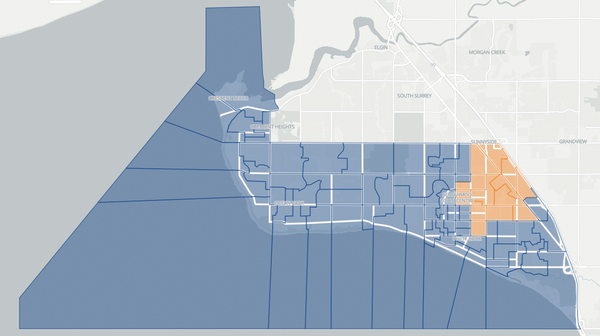
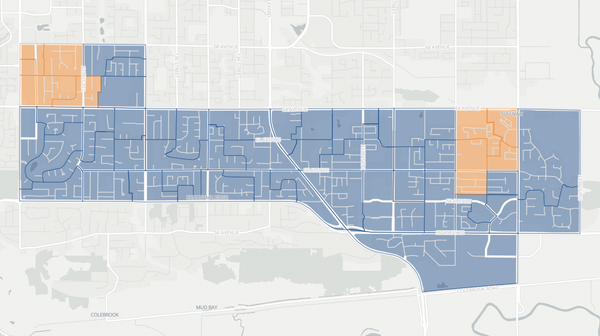
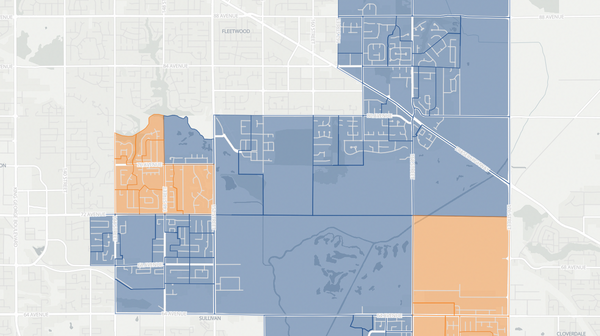
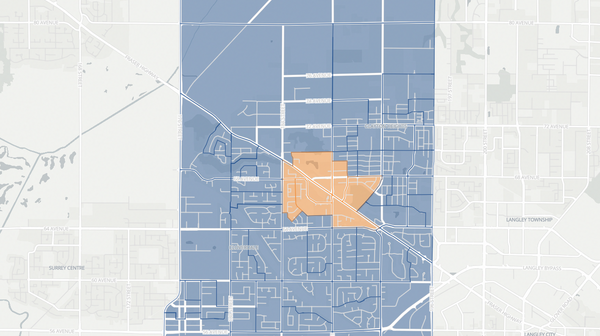
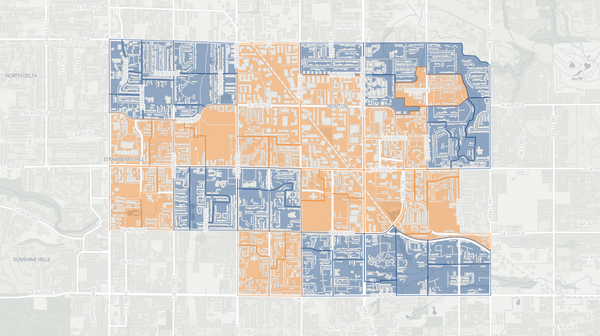
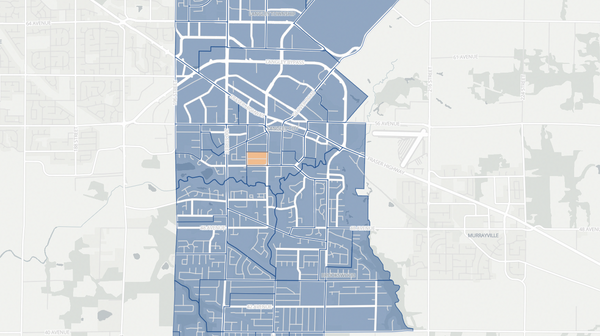
Poll-by-poll results for Surrey South in the 2024 British Columbia election. The Conservative Party candidate won this riding. Explore detailed voting data, candidate results, and turnout statistics at the poll level.
Riding information
Auto generated. Flag an issue.Surrey South
Surrey South covers the southern tier of Metro Vancouver's fastest-growing city, stretching from the Grandview Heights subdivisions and new-construction townhouse developments near 24th Avenue south toward the Semiahmoo Peninsula. The riding takes in rapidly expanding residential areas where young families have settled for comparatively affordable housing and newer schools, alongside established commercial corridors and pockets of agricultural land along the Campbell River lowlands.
The seat had been held by the BC Liberals since its creation, and Elenore Sturko won a 2022 by-election under the Liberal banner after the previous MLA resigned. Sturko subsequently crossed the floor to join the Conservatives in June 2024 and chose to run in the adjacent Surrey-Cloverdale riding in the general election, leaving Surrey South as an open contest.
Candidates
Brent Chapman (Conservative Party) — Chapman has a background in acting, producing, broadcasting, writing, and voice coaching. His acting credits included commercials for major consumer brands and minor film roles. He was nominated as the Conservative candidate in May 2024.
Haroon Ghaffar (BC NDP) — Ghaffar is a former journalist and public servant who spent more than a decade covering and working on issues facing Surrey. He campaigned on improved health care, better transit, and more affordable housing for the city's growing population.
Local Issues
School capacity remained one of the most pressing concerns in a riding defined by rapid residential growth. The delayed opening of Grandview Heights Secondary — which had been plagued by budget overruns in the previous term — eventually brought relief to families in the southern subdivisions, but the Surrey school district's portable count remained among the highest in the province. Parents in the riding's newer neighbourhoods pointed to continuing classroom overcrowding and the gap between the pace of housing construction and the delivery of educational infrastructure.
The NDP government's housing legislation — particularly Bill 44, which required municipalities with populations above 5,000 to allow multiplexes in most areas previously zoned for single-family homes — sparked debate in a riding where much of the recent growth had consisted of single-family subdivisions and townhouse projects. Supporters argued the legislation was essential to addressing the province's housing shortage, while some residents worried about the impact of densification on neighbourhood character, parking, and already-strained municipal services. The broader affordability crisis was acute: property values in south Surrey had climbed sharply, and many young families who had moved to the area specifically for its relative affordability found themselves squeezed by rising mortgage costs and the elevated cost of living.
Health care access was a persistent frustration. Residents relied heavily on Peace Arch Hospital and the walk-in clinics scattered along the commercial corridors, but the physician shortage meant long wait times and difficulty securing a regular family doctor. The NDP government's recruitment efforts had added hundreds of family physicians across the province since the payment model reforms of late 2022, but many south Surrey families remained unattached. The Surrey-Langley SkyTrain extension, under early construction, promised eventual rapid transit connectivity, but the nearest planned stations were well to the northeast of the riding's core neighbourhoods, and local transit service remained limited for a car-dependent suburban community.