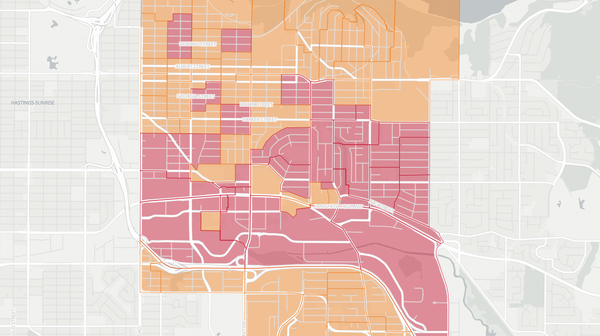
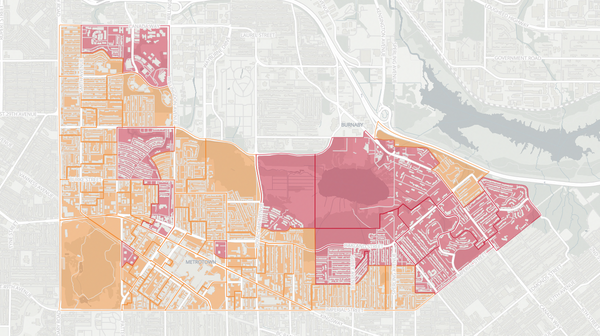
Vancouver-Kingsway — 2017 British Columbia Provincial Election Results Map
Vancouver-Kingsway — 2017 Election Results
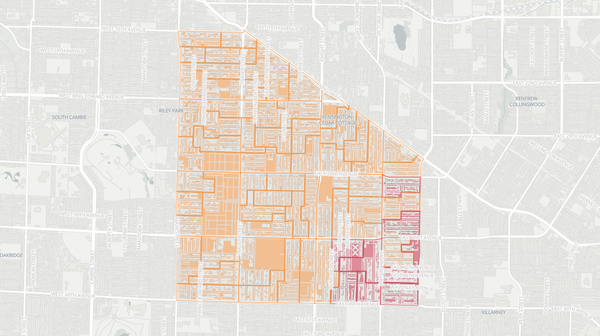
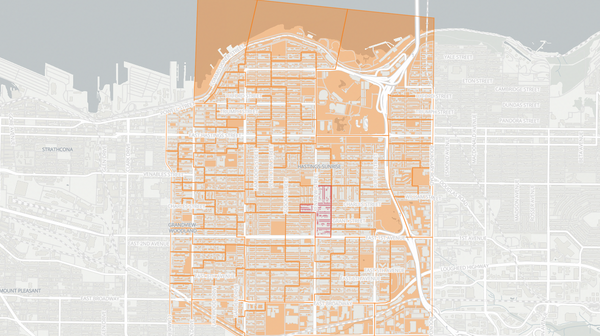
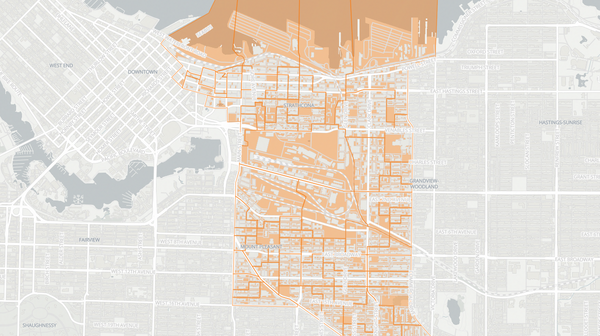
Poll-by-poll results for Vancouver-Kingsway in the 2017 British Columbia election. The BC NDP candidate won this riding. Explore detailed voting data, candidate results, and turnout statistics at the poll level.
Riding information
Auto generated. Flag an issue.Vancouver-Kingsway
Vancouver-Kingsway was a bedrock NDP riding, having elected New Democrats in every election since the 1991 provincial contest except for the 2001 Liberal sweep. The incumbent, Adrian Dix, was one of the most prominent figures in BC politics. He had served as MLA since 2005, led the BC NDP as party leader from 2011 to 2014 before resigning after the party's surprise loss in the 2013 election, and was seeking a fourth term. The riding stretched along the Kingsway commercial corridor through the heart of East Vancouver, encompassing the neighbourhoods of Kensington-Cedar Cottage, Renfrew-Collingwood, and Sunset. It was one of the most diverse ridings in the province, with around 70 per cent of residents reporting a mother tongue other than English and over 54 per cent born outside Canada.
Dix entered the 2017 campaign as the NDP's health critic, a role that positioned him to speak to one of the dominant issues of the election. The riding was considered safely NDP, but the Liberals and Greens both contested it actively.
Candidates
Adrian Dix (BC NDP) — Born in Vancouver to parents who had immigrated from Ireland and Britain, Dix attended Point Grey Secondary School and studied political science at the University of British Columbia. His first political job was as an aide to federal NDP MP Ian Waddell in Ottawa. He returned to BC in 1991 to work as an assistant to Glen Clark in the provincial finance ministry, and when Clark became premier in 1996, Dix was named chief of staff. He was dismissed in 1999 over a backdated memo controversy. He subsequently served as executive director of Canadian Parents for French in BC and the Yukon, working to expand French immersion programs across the province. He also worked as a political commentator for local media before winning election to the Legislature in 2005. He led the NDP from 2011 to 2014.
Trang Nguyen (BC Liberal Party) — Nguyen was a former refugee from Vietnam whose family was sponsored to come to Canada in 1980. She worked as a reporter for Channel M and Fairchild TV before entering public service. She served as a federal citizenship judge from 2015 to 2016. A graduate of Simon Fraser University's criminology program, she received the Queen Elizabeth II Diamond Jubilee Medal in 2012. In the 2011 federal election, she ran as the Conservative candidate in Vancouver-Kingsway.
Ellisa Calder (BC Green Party) — Calder was an IT consultant at Habanero Consulting Group, a locally owned firm. She graduated from Simon Fraser University in 2008 with a Bachelor of Business Administration with Honours and a minor in dialogue, and also earned a certificate in international business from Grenoble Ecole de Management. She had previously worked for the Vancouver 2010 Olympic and Paralympic Winter Games organizing committee.
Charles Bae ran for the Conservative Party and Brette Mullins for the Your Political Party of BC.
Local Issues
Education was a significant concern in Vancouver-Kingsway. Three of the 12 Vancouver schools that had been threatened with closure in 2016 were located in the riding, including Gladstone Secondary, the only high school on the list. The prospect of closing schools in established neighbourhoods provoked passionate opposition from parents and community members who saw their local schools as anchors of neighbourhood life. The NDP championed increased education funding and opposition to school closures, while the Liberals argued that the education system was performing well overall.
Health care access was Adrian Dix's signature issue. As the NDP's health critic, he had spent years highlighting what he described as the BC Liberals' failures in the health file: the estimated 700,000 British Columbians without a family doctor, long waits at walk-in clinics and emergency rooms, and insufficient investment in mental health and addiction services. The opioid crisis, while most acute in the Downtown Eastside, touched communities across East Vancouver, including parts of Vancouver-Kingsway where overdose deaths were rising.
The riding's diverse immigrant population also raised issues of settlement services, language access, and employment equity. Many residents worked in low-wage service sector jobs and faced challenges related to the recognition of foreign credentials, precarious employment, and the rising cost of living in a city where housing costs had outpaced wage growth.