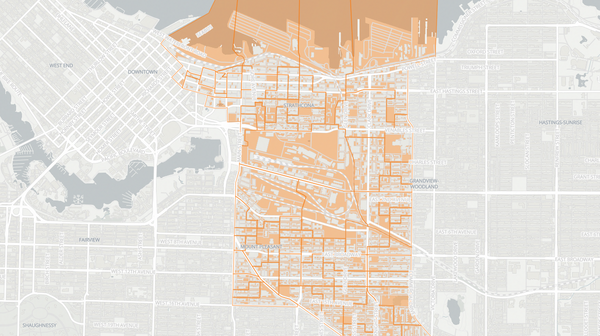
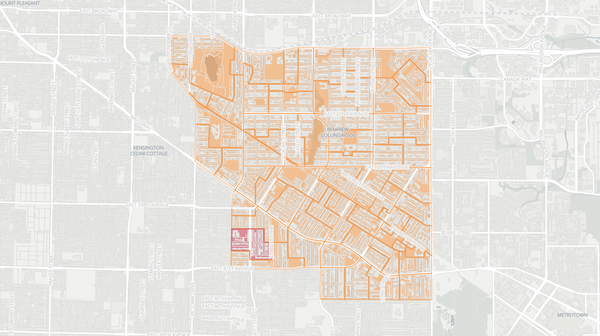
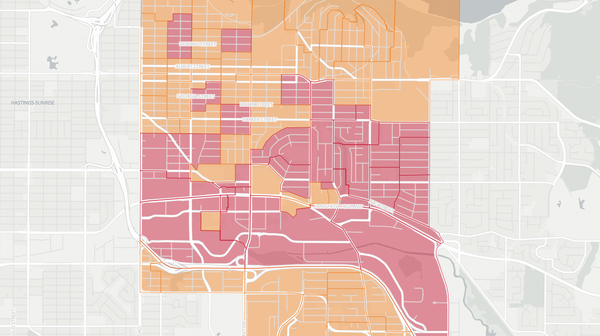
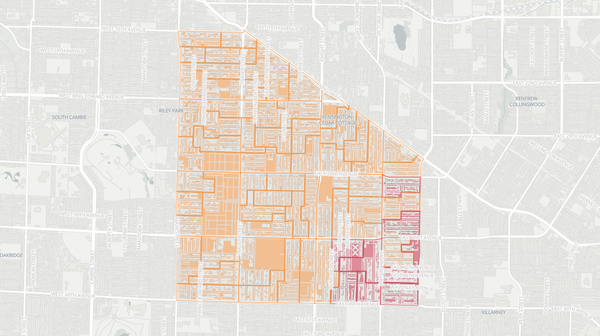
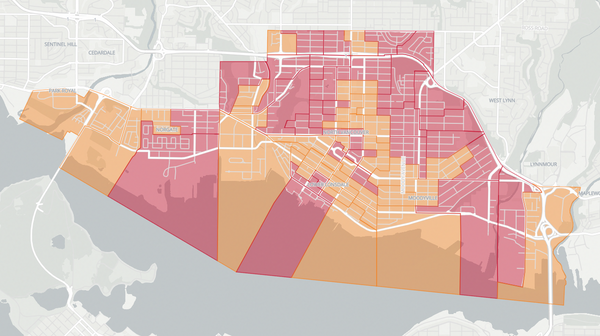
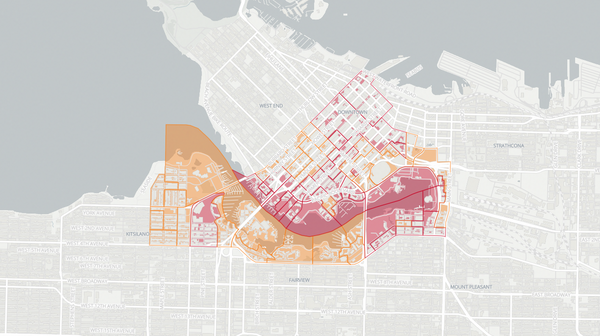
Vancouver-Hastings — 2017 British Columbia Provincial Election Results Map
Vancouver-Hastings — 2017 Election Results
Poll-by-poll results for Vancouver-Hastings in the 2017 British Columbia election. The BC NDP candidate won this riding. Explore detailed voting data, candidate results, and turnout statistics at the poll level.
Riding information
Auto generated. Flag an issue.Vancouver-Hastings
Vancouver-Hastings was one of the safest NDP seats in British Columbia. Shane Simpson had held the riding since 2005, winning each of his elections by commanding margins. The riding was one of only two in the province that had elected the NDP in every election since the modern riding boundaries were established. It covered a large portion of East Vancouver, from the Commercial Drive neighbourhood south through the residential streets around Nanaimo and Renfrew, and included a portion of the Downtown Eastside, the epicentre of British Columbia's overlapping crises of homelessness, addiction, and mental illness.
The 2017 election came at a particularly acute moment for the Downtown Eastside. The province had declared a public health emergency over opioid overdose deaths in April 2016, and the crisis was concentrated most heavily along the East Hastings Street corridor that gave the riding its name.
Candidates
Shane Lee Simpson (BC NDP) — Born and raised in East Vancouver, Simpson had been active in his community for more than 30 years. His professional background was in community economic development: he had served as executive director of the Worker Ownership Resource Center, legislative coordinator for the Canadian Union of Public Employees, director of policy and communications for Smart Growth BC, chair of the Vancouver City Planning Commission, and instructor in the community economic development program at Simon Fraser University. He received the Governor General's 125th Anniversary Commemorative Medal for community service in 1992 and the Queen's Golden Jubilee Medal in 2002. In the Legislature, he had served as opposition critic for the environment, housing, ICBC, and the BC Lottery Corporation.
Jane Spitz (BC Liberal Party) — Spitz was a fifth-year political science student at the University of British Columbia with a minor in environment and society. She described herself as a "Green Tory" and had served as president of the UBC Conservatives, the Manning Centre on Campus, and the Ubyssey board of directors. Her campaign focused on environmental sustainability, housing affordability, and the Downtown Eastside crisis.
David H.T. Wong (BC Green Party) — Wong was an architect, bestselling author, and heritage conservation advocate born and raised in East Vancouver, with family roots in the city going back over 130 years. He wrote the graphic history book "Escape to Gold Mountain" about the Chinese experience in North America. He was inducted as an Honorary Witness by the Truth and Reconciliation Commission of Canada in 2013. During the campaign he advocated for more rental housing supply and protections for renters displaced by redevelopment.
Kimball Mark Cariou ran for the Communist Party of BC.
Local Issues
The opioid overdose crisis was the overriding issue in Vancouver-Hastings. The Downtown Eastside portion of the riding was ground zero for the epidemic: between 2016 and 2017, just two blocks of East Hastings Street from Pigeon Park to Main Street accounted for seven per cent of all 911 calls for suspected drug overdoses in the entire province. The arrival of fentanyl and later carfentanil in the illicit drug supply had made every use of street drugs potentially lethal. Life expectancy in the Downtown Eastside dropped sharply, falling from 77.4 years in the 2013-2015 period to 75.0 years in 2016-2017, with an even steeper decline for men. The debate over supervised injection sites, naloxone distribution, and broader harm reduction strategies was intensely local.
Homelessness and housing insecurity were inextricably linked to the addiction crisis. The visible homelessness along the Hastings corridor, including encampments of tents and people sleeping on sidewalks, reflected the failure of provincial welfare rates to keep pace with the cost of housing. Advocates pressed for more supportive housing, increased shelter capacity, and higher income assistance rates.
The riding also encompassed more stable residential neighbourhoods along Commercial Drive and in the Renfrew-Collingwood area where concerns about housing affordability, transit access, and school funding were the primary issues. The displacement pressures felt across Vancouver were particularly concerning to renters in the older apartment buildings that lined the side streets of East Vancouver.