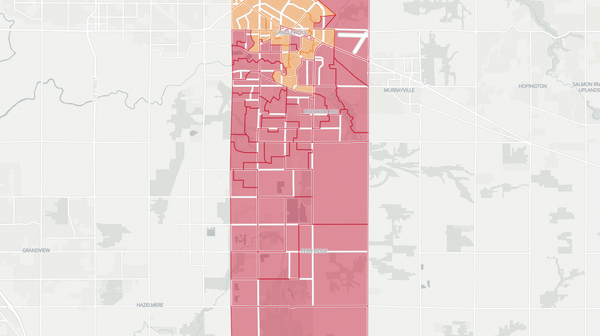
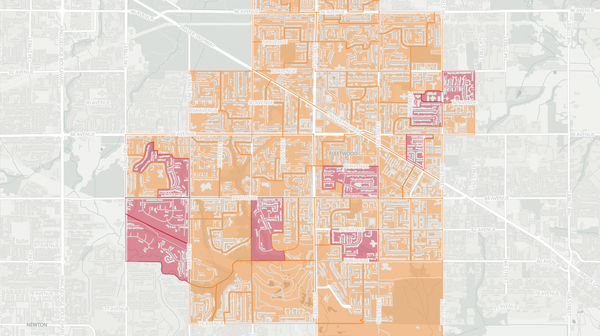
Surrey South — 2017 British Columbia Provincial Election Results Map
Surrey South — 2017 Election Results
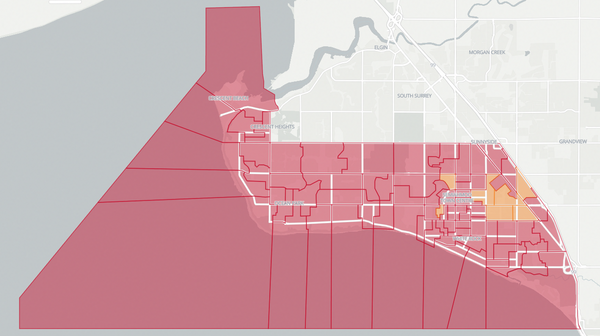
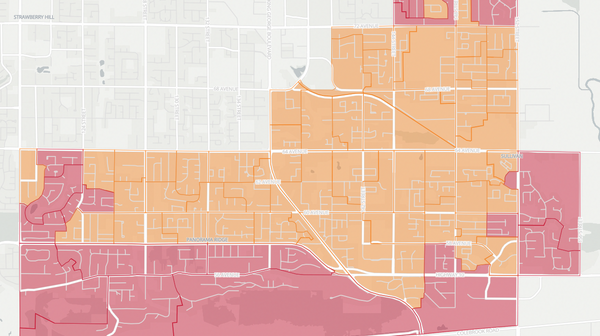
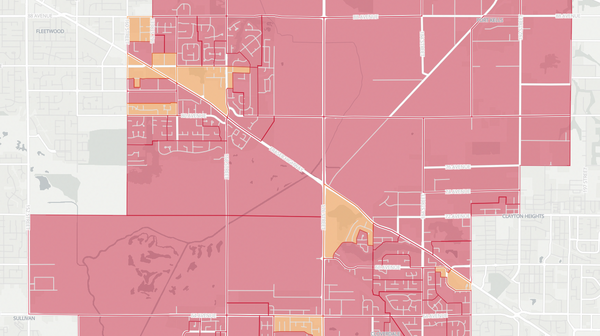
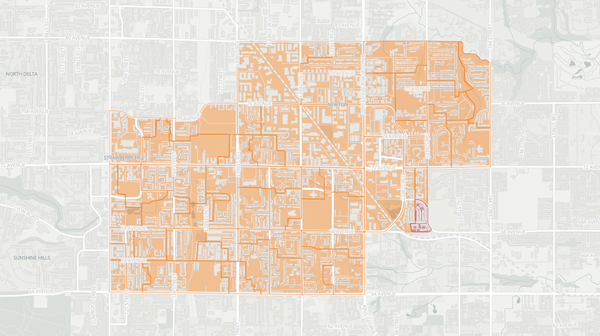
Poll-by-poll results for Surrey South in the 2017 British Columbia election. The BC Liberal Party candidate won this riding. Explore detailed voting data, candidate results, and turnout statistics at the poll level.
Riding information
Auto generated. Flag an issue.Surrey South
Surrey South was a brand-new riding in 2017, carved out by the Electoral Boundaries Commission to reflect the fact that no area of British Columbia had experienced greater population growth in the preceding decade than southeastern Surrey. The oddly shaped constituency stretched from Mud Bay to the Langley border, encompassing suburban subdivisions in Grandview Heights and Clayton alongside remnants of agricultural land in East Cloverdale. The riding was full of young families, newly built homes, and the growing pains that come with rapid development.
With no incumbent, the seat was open territory, though the BC Liberals were considered the favourites given the area's generally conservative-leaning demographics. The Liberals nominated Stephanie Cadieux, a sitting MLA who had represented Surrey-Panorama in 2009 and Surrey-Cloverdale in 2013, and who was serving as Minister of Children and Family Development. The NDP put forward Jonathan Silveira, a real estate professional with a background in university politics.
Candidates
Stephanie Cadieux (BC Liberal Party) — Cadieux had used a wheelchair since suffering spinal injuries in a car accident at age 18. Before entering politics, she served as director of marketing and development for the BC Paraplegic Association and was president of the Realwheels Society, an inclusive theatre company. She was an ambassador for the Rick Hansen Man in Motion Foundation and had travelled internationally as a delegate for development work with people with disabilities. First elected in 2009, she had served in several cabinet roles including Minister of Social Development, Minister of Labour, Citizens' Services and Open Government, and Minister of Children and Family Development.
Jonathan Silveira (BC NDP) — Silveira was a real estate agent and mortgage broker who had been active in student politics at Simon Fraser University. He served on the SFU Student Society, the SFU Board of Governors, and the Canadian Federation of Students, and was involved in negotiations to create the U-Pass student transit program. In 2014 he founded Surrey Kids Matter and ran unsuccessfully for school trustee.
Pascal Tremblay (BC Green Party) — Tremblay was the co-founder and creative director of The Good Kind, a design strategy agency that worked with social change organizations. He also founded Hello Positive, an apparel company that helped social change organizations raise awareness and funding.
Peter Njenga ran as an independent, Josh Barrett represented the Libertarian Party, Gary Hee ran as an independent, and Fabiola Cecilia Palomino represented the Your Political Party of BC.
Local Issues
School overcrowding was the most prominent issue in Surrey South. With one of the youngest demographic profiles of any riding in British Columbia, the constituency was full of families whose children attended schools operating well beyond designed capacity. Dozens of schools across Surrey relied on portable classrooms, and the communities in Grandview Heights and Clayton were among those most affected. The BC Liberals pledged new funding to address chronic overcrowding, but parents questioned whether the commitment was sufficient.
Transportation infrastructure lagged behind the pace of residential construction. New subdivisions in Grandview Heights and Clayton were largely car-dependent, and residents complained about inadequate bus service and congested arterial roads. The question of how to extend rapid transit service to the southern reaches of Surrey was a recurring theme in local candidates' forums.
The tension between development and the preservation of agricultural land was also a factor. As farmland gave way to housing tracts, residents debated the proper balance between accommodating growth and protecting the agricultural heritage that had long defined the area south of the Fraser Highway.