Surrey-Panorama — 2017 British Columbia Provincial Election Results Map
Surrey-Panorama — 2017 Election Results
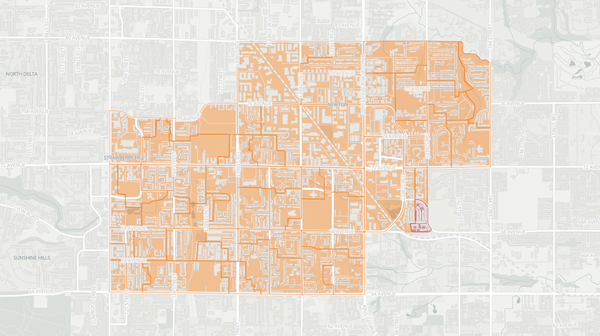
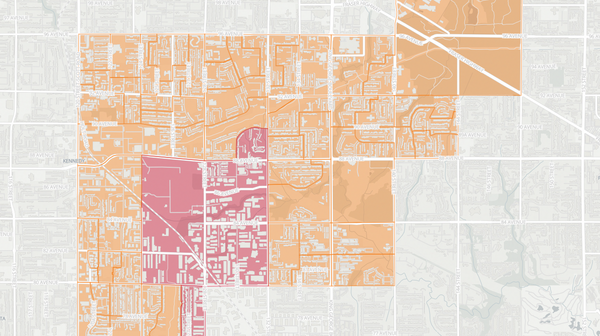
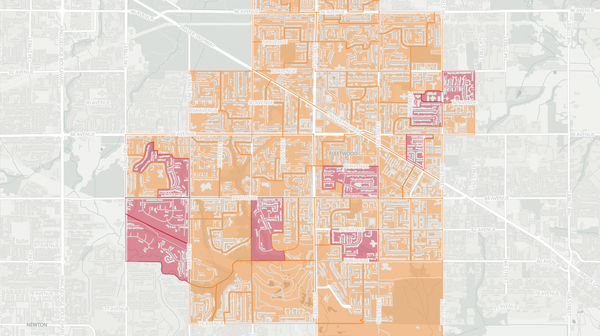
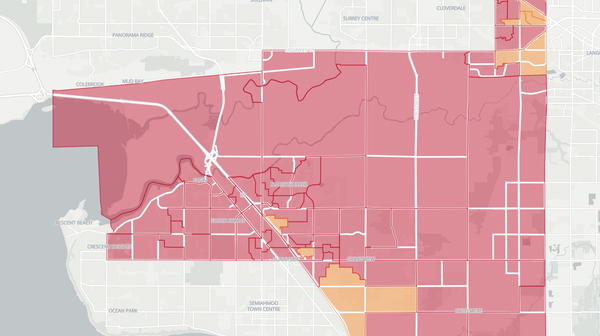
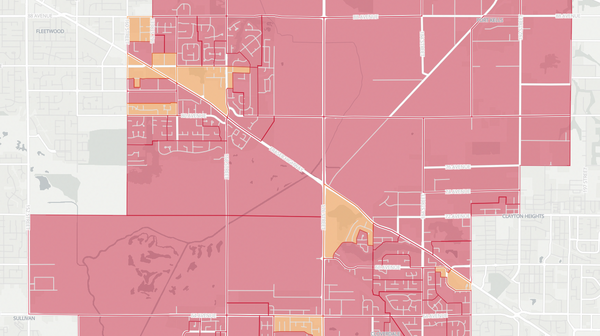
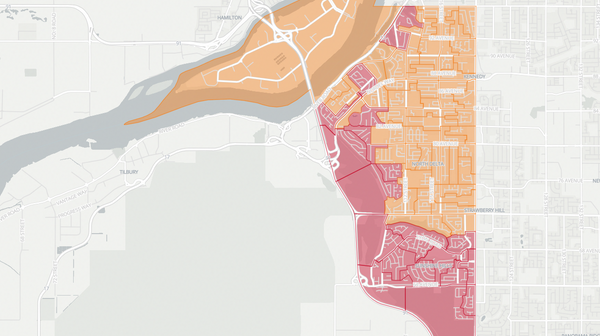
Poll-by-poll results for Surrey-Panorama in the 2017 British Columbia election. The BC NDP candidate won this riding. Explore detailed voting data, candidate results, and turnout statistics at the poll level.
Riding information
Auto generated. Flag an issue.Surrey-Panorama
Surrey-Panorama was a newly configured riding heading into the 2017 election, reshaped by the 2015 redistribution to account for the explosive population growth in Surrey's eastern and southern corridors. The riding had been won by BC Liberal Marvin Hunt in 2013 with over 54 per cent of the vote, but Hunt chose to run in neighbouring Surrey-Cloverdale for 2017, leaving an open seat. With a population of approximately 60,000, the riding encompassed the rapidly growing Panorama Ridge and Sullivan neighbourhoods, areas where new subdivisions were transforming what had recently been agricultural land into suburban developments.
The open seat attracted strong candidates from both major parties. The BC Liberals nominated Puneet Sandhar, while the NDP recruited Jinny Sims, a former federal MP and prominent labour leader. The contest was closely watched as a barometer of whether the NDP's rising fortunes across Surrey could extend into territory the Liberals had won comfortably just four years earlier.
Candidates
Jinny Sims (BC NDP) — Sims was born to a Sikh family and emigrated from Punjab, India, to England at the age of nine, later earning her education degree at the University of Manchester. After moving to Canada, she became a high school teacher and was elected president of the BC Teachers' Federation in 2004, leading the union through a two-week strike in 2005. She then entered federal politics, winning election as MP for Newton-North Delta in 2011 and serving as the NDP's critic for Immigration and Employment and Social Development until her defeat in 2015.
Puneet Sandhar (BC Liberal Party) — Sandhar was born and raised in Mahilpur, Hoshiarpur, Punjab, India, where her parents were professors of Punjabi Literature at Guru Gobind Singh Khalsa College. She immigrated to Canada in 2002 and was called to the BC Bar in 2006. Sandhar became a partner at the Sanghera Sandhar Law Group in Surrey in 2014. She served on the Board of the Legal Services Society of British Columbia, the City of Surrey's Board of Variance, and the South Asian Business Association of BC, and received the Queen's Diamond Jubilee Medal in 2012 for her community volunteer work.
Veronica Laurel Greer (BC Green Party) — Greer had experience working in public transit, construction, and the food industry. She was one of four transgender candidates to run in the 2017 provincial election.
Liz Galenzoski ran for the BC Refederation Party, which advocates for direct democracy and reform of the federalist system.
Local Issues
The rapid growth that had prompted the creation of Surrey-Panorama also generated its central campaign issues. Residential development was outpacing public infrastructure, leaving new subdivisions with insufficient school capacity, limited transit service, and growing pains around traffic congestion. Surrey's school district relied heavily on portable classrooms across the city, and many of the newer communities in Panorama Ridge were especially affected by the gap between residential construction and school construction.
The ride-hailing debate touched the riding as well. Taxi drivers in Surrey feared the provincial government might approve companies like Uber to operate in Metro Vancouver, potentially affecting their livelihoods. The BC Liberals had signalled openness to ride-hailing, while the industry and many community members in Surrey pushed back against the proposal.
Housing affordability was an emerging concern even in the relatively more affordable suburbs of southeast Surrey. Young families moving to the area for comparatively lower housing costs still faced rising prices, and the broader Metro Vancouver housing crisis was beginning to affect communities farther from the urban core. The NDP campaigned on building tens of thousands of new affordable housing units, while the Liberals pointed to their foreign buyers tax, implemented in August 2016, as evidence they were addressing the issue.