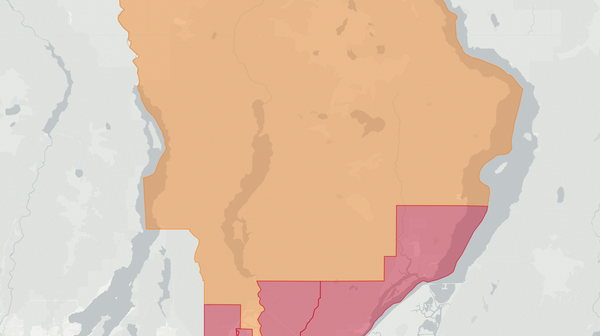
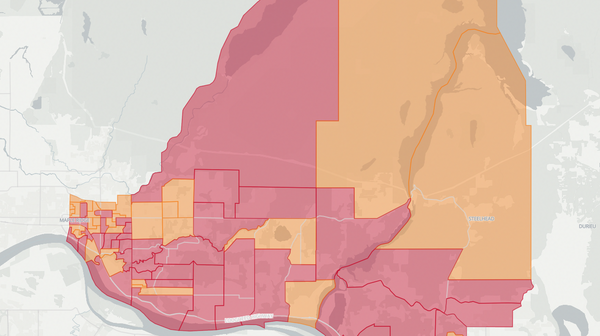
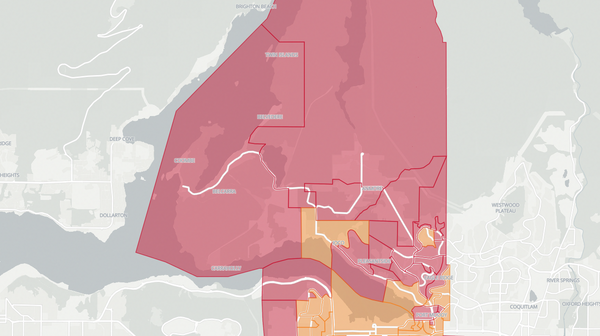
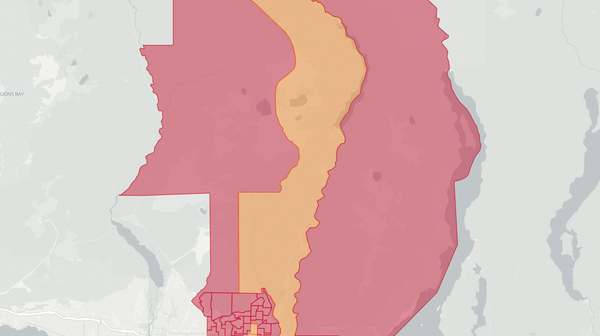
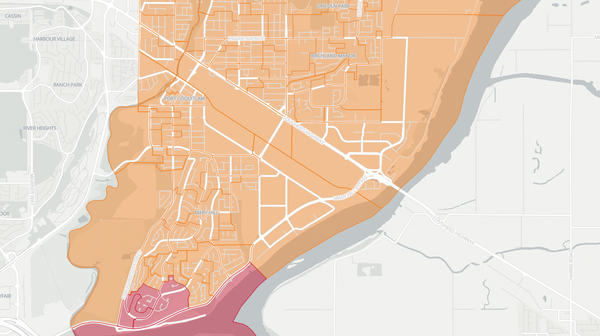
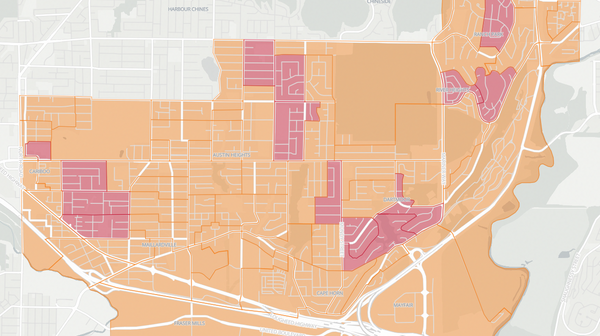
Maple Ridge-Pitt Meadows — 2017 British Columbia Provincial Election Results Map
Maple Ridge-Pitt Meadows — 2017 Election Results
Poll-by-poll results for Maple Ridge-Pitt Meadows in the 2017 British Columbia election. The BC NDP candidate won this riding. Explore detailed voting data, candidate results, and turnout statistics at the poll level.
Riding information
Auto generated. Flag an issue.Maple Ridge—Pitt Meadows
Maple Ridge—Pitt Meadows had been held by one-term BC Liberal incumbent Doug Bing since 2013, when he defeated his NDP opponent by just 620 votes. That narrow margin made the riding a top NDP target heading into 2017, and the party nominated Lisa Beare, a local school board trustee and flight attendant, to challenge the incumbent dentist. The riding encompasses the City of Pitt Meadows and the western portions of the City of Maple Ridge, communities that sit at the rural fringe of Metro Vancouver. Pitt Meadows, in particular, is roughly ninety percent agricultural land, giving the riding a character distinct from the more urbanized communities to the west.
The area had experienced significant population growth over the preceding decades. This growth brought new families seeking affordable housing within commuting distance of Vancouver but also strained local infrastructure and services.
Candidates
Lisa Marie Beare (BC NDP) — Beare grew up in Maple Ridge and attended Thomas Haney Secondary School. She earned a diploma in local government management from the University of Victoria and worked as a flight attendant for Air Transat, where she became involved in her union, CUPE Local 4078, eventually serving as vice-president. She had trained as a commercial pilot and served as president of local chapters of The 99s International Organization of Women Pilots and Women in Aviation. In 2014, she was elected as a Maple Ridge school board trustee. She also served two terms on the board of directors of Variety, the Children's Charity.
Doug Bing (BC Liberal Party) — Bing was the incumbent MLA and a dentist who had practised in Pitt Meadows for over thirty years. Born and raised in Vancouver, he earned a Bachelor of Science and a Doctor of Dental Medicine from the University of British Columbia. He served on Pitt Meadows city council from 2005 to 2013 and had been a representative on the UBC Senate during his university years. He also served on committees and the council of the College of Dental Surgeons of BC.
Alex Pope (BC Green Party) — Pope was a computer programmer, analyst, and consultant who had previously run as the Green candidate in Maple Ridge-Mission in the 2013 election and twice ran for Maple Ridge city council. He chaired the Maple Ridge—Pitt Meadows bicycle advisory committee and focused his campaign on clean technology investment and environmental stewardship.
Gary John O'Driscoll ran for the Conservative Party and Steve Ranta as an independent, both receiving under five percent of the vote.
Local Issues
Affordability and transit were the defining issues in Maple Ridge—Pitt Meadows. Despite being part of Metro Vancouver, the riding shared many characteristics with more rural communities, and residents faced long commutes to employment centres closer to the urban core. Public transit service was limited compared to communities further west, and the cost and inconvenience of commuting was a daily reality for many families. The NDP's promise to eliminate bridge tolls and invest in transit improvements resonated with voters who felt the riding had been underserved by transportation infrastructure.
Housing affordability was a growing concern despite the area's historic reputation as one of the more affordable corners of Metro Vancouver. Rising real estate prices were straining household budgets, and the limited supply of rental housing made the situation more acute. The rapid population growth that had transformed the communities over the preceding decades was not matched by corresponding investments in community infrastructure—schools, recreation facilities, and health care services.
The balance between agricultural preservation and development was a unique tension in the riding. Pitt Meadows' large agricultural footprint, protected by the Agricultural Land Reserve, created a distinct boundary between urban and rural land uses. Residents valued the agricultural character of their community but also recognized the need for housing and commercial development. Broader provincial issues, including the opioid crisis, education funding, and health care access, also shaped the campaign conversation.