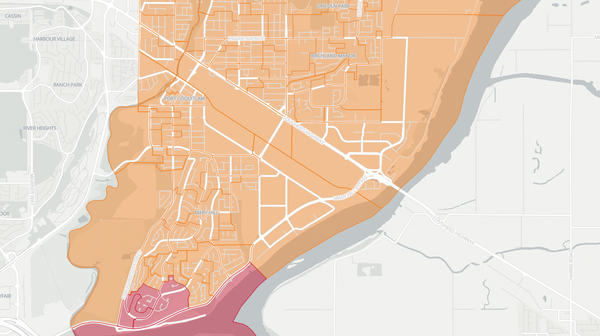
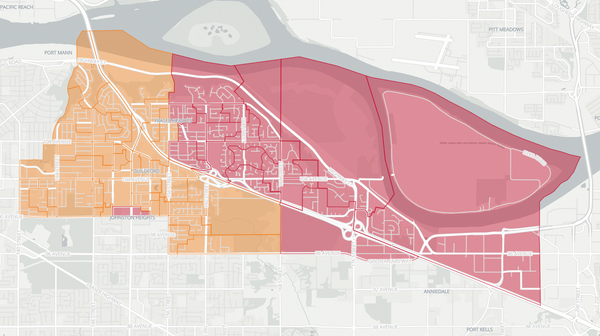
Maple Ridge-Mission — 2017 British Columbia Provincial Election Results Map
Maple Ridge-Mission — 2017 Election Results
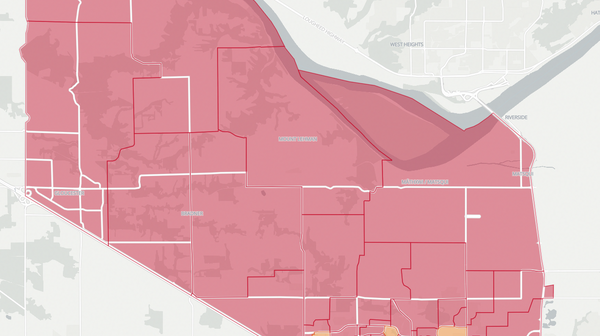
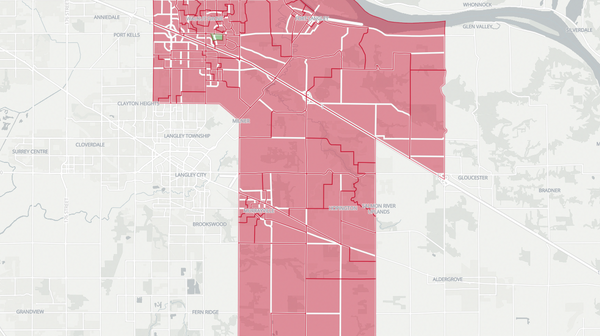
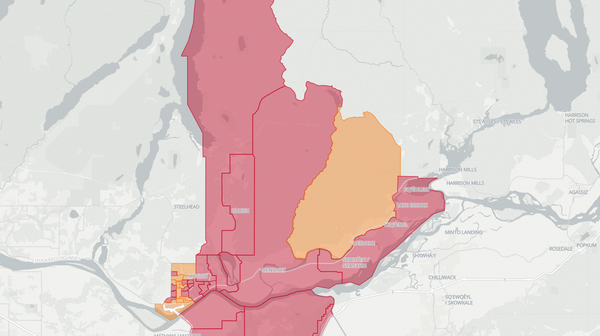
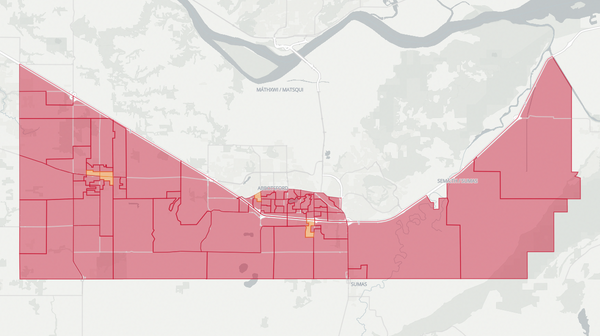
Poll-by-poll results for Maple Ridge-Mission in the 2017 British Columbia election. The BC NDP candidate won this riding. Explore detailed voting data, candidate results, and turnout statistics at the poll level.
Riding information
Auto generated. Flag an issue.Maple Ridge—Mission
Maple Ridge—Mission was one of the most closely watched ridings in the 2017 provincial election. Two-term BC Liberal incumbent Marc Dalton faced a strong challenge from NDP candidate Bob D'Eith in a riding that had swung between the parties over the years. Dalton had first won the seat in 2009 and held it by a narrow margin in 2013, making it a perennial target for the NDP. The riding spans the eastern edge of Metro Vancouver, taking in parts of the City of Maple Ridge and the District of Mission, communities that blend suburban development with semi-rural landscapes along the Fraser River.
Homelessness had emerged as one of the most visible and divisive issues in Maple Ridge in the months leading up to the election. A tent encampment on city property known as Anita Place, established in May 2017, became a flashpoint for community tensions and a symbol of the broader housing and opioid crises sweeping the province.
Candidates
Bob D'Eith (BC NDP) — D'Eith was a lawyer and musician who had served as CEO of Music BC, the provincial music industry trade organization, for fourteen years. Born in Hong Kong in 1964, he immigrated to Canada as a child and grew up in West Vancouver. He studied law and was called to the bar in 1990, practising primarily in real estate and entertainment law. As a musician, he was a trained pianist who played in the Juno-nominated band Rymes with Orange and later co-founded the new age music project Mythos. He had previously run as the federal NDP candidate in Pitt Meadows—Maple Ridge in the 2015 election.
Marc Dalton (BC Liberal Party) — Dalton was the incumbent MLA and parliamentary secretary for Metis relations. Before entering politics, he taught for seventeen years in the Maple Ridge school district, primarily in French immersion and social studies at the elementary and secondary levels. He held a bachelor's degree in French and history and a master's in educational leadership from Simon Fraser University. He had also served in the Canadian Armed Forces Reserves.
Peter Pak Chiu Tam (BC Green Party) — Tam was a computer science engineer, data management specialist, and entrepreneur who was also an accomplished musician and former RCMP auxiliary constable. He had previously run for Maple Ridge city council.
Trevor Hamilton ran for the Conservative Party and Jeff Monds for the Libertarian Party, both receiving minor support.
Local Issues
Homelessness and the opioid crisis were the most urgent local issues. Maple Ridge had experienced a growing visible homeless population, and the Anita Place tent encampment brought the issue to a crisis point just as the election campaign was unfolding. The encampment exposed deep community divisions between those who sympathized with the plight of people without housing and those who were frustrated by the social disorder and public safety concerns associated with the camp. The opioid crisis compounded the homelessness problem, as fentanyl-contaminated drugs drove overdose rates to record levels across British Columbia. Residents demanded more treatment beds, mental health services, and supportive housing.
Housing affordability was closely linked to the homelessness issue. While Maple Ridge and Mission had traditionally offered more affordable housing than communities closer to Vancouver, prices had risen sharply, pushing lower-income residents into precarious situations. The lack of purpose-built rental housing and supportive housing for people with addictions or mental health challenges was a recurring theme in candidate debates.
Health care and education rounded out the major concerns. Residents worried about access to hospital services at Ridge Meadows Hospital and the adequacy of mental health and addiction treatment resources. Education funding, class sizes, and the condition of local schools were also raised, particularly in light of the Supreme Court of Canada ruling requiring the restoration of class-size provisions that the BC Liberal government had stripped from teachers' contracts in 2002.