Chilliwack — 2017 British Columbia Provincial Election Results Map
Chilliwack — 2017 Election Results
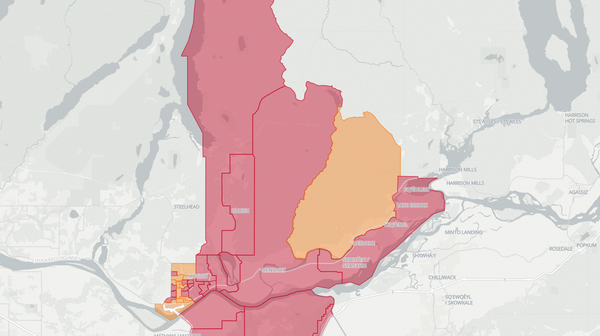
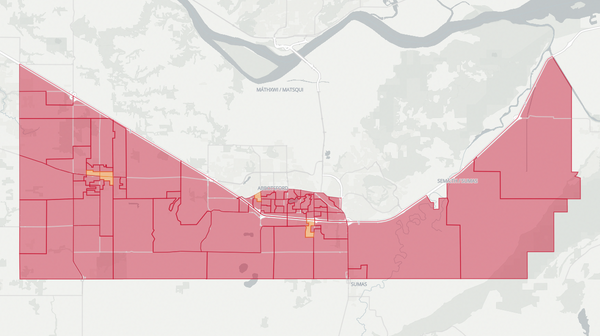
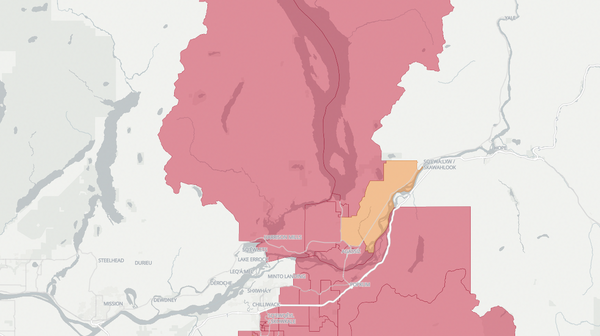
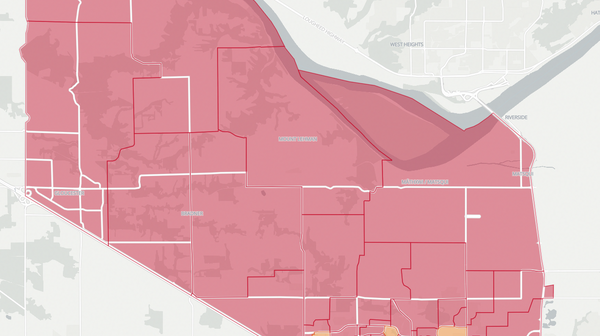
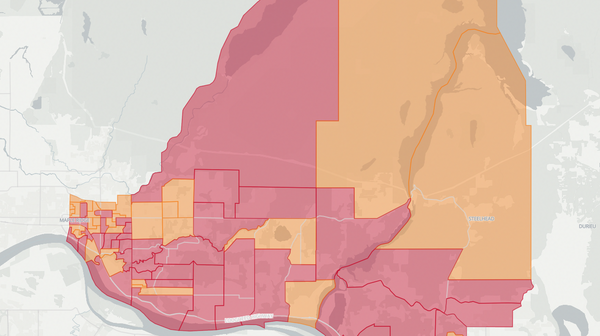
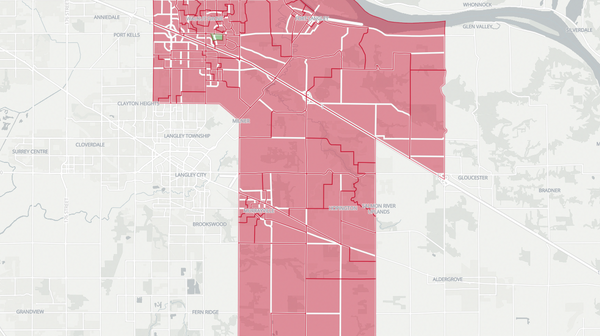
Poll-by-poll results for Chilliwack in the 2017 British Columbia election. The BC Liberal Party candidate won this riding. Explore detailed voting data, candidate results, and turnout statistics at the poll level.
Riding information
Auto generated. Flag an issue.Chilliwack
Chilliwack sits at the eastern edge of the Fraser Valley, a mid-sized city of approximately 80,000 people surrounded by farmland, the Fraser River, and the mountains of the Cascade Range. The community has a diverse economy that includes agriculture, retail, education, and military operations at Canadian Forces Base Chilliwack (though the base closed in 1997, the area retains a significant military retiree population). In the 2013 election, John Martin won the seat for the BC Liberals in his first provincial campaign, after having previously run for the BC Conservatives in a 2012 by-election. During the 2013–2017 term, Martin served as Parliamentary Secretary to the Minister of Forests, Lands and Natural Resource Operations.
Candidates
John Martin (BC Liberal Party) — Martin was the incumbent MLA seeking re-election. He was an associate professor in the School of Criminology and Criminal Justice at the University of the Fraser Valley, where he had taught for approximately 25 years at campuses in both Chilliwack and Abbotsford. He held a Bachelor of Arts and a Master of Arts in criminology from Simon Fraser University, and also held a Certificate of Technology in Broadcast Communications from the British Columbia Institute of Technology. He specialized in crime prevention, criminal justice reform, victims’ rights, and public safety, and had written curriculum for RCMP members at the Pacific Regional Training Centre.
Tracey Lorrean O’Hara (BC NDP) — O’Hara was a vice-president and trustee for local CUPE groups. During the campaign, she focused heavily on housing affordability, which she identified as the issue she heard about most frequently on the doorstep. The NDP’s promise to build 114,000 affordable homes and reduce costs for MSP, ICBC, and BC Hydro formed the core of her platform.
Wayne Froese (BC Green Party) — Froese was a local web designer. He brought a distinctive focus on First Nations relations to the campaign, noting that his Green campaign team included a First Nations advisory committee that had identified measures to address disparities and develop nation-to-nation relationships. He also advocated for a sliding property transfer tax to cool housing prices.
Ryan McKinnon (Independent) received a minor share of the vote.
Local Issues
The opioid crisis hit Chilliwack with particular severity during the 2013–2017 term. Overdose deaths surged as fentanyl contaminated the illicit drug supply, with Chilliwack recording overdose numbers that were higher per capita than many other communities in the province. The community was on track for significantly more overdose deaths in 2017 than the previous year. Candidates were confronted at public forums by residents demanding action on addiction treatment, harm reduction, and the connection between substance abuse, homelessness, and petty crime that was straining community resources.
Housing affordability was a dominant concern. As Metro Vancouver’s real estate prices pushed buyers further into the Fraser Valley, Chilliwack experienced a sharp rise in home values. What had once been one of the more affordable communities in the Lower Mainland was becoming increasingly out of reach for first-time buyers and renters. The NDP’s housing platform and the Greens’ proposed sliding property transfer tax both spoke to voter anxiety about the cost of housing.
Mental health services and social supports were closely tied to the opioid and homelessness crises. At an all-candidates meeting hosted by Chilliwack Healthier Community, candidates were pressed on provincial funding for mental health and addictions programs. The executive director of the Ann Davis Transition Society noted that the number of people struggling to find shelter was far higher than officially reported, and that the organization had turned away hundreds of people with nowhere to go.