Langley East — 2017 British Columbia Provincial Election Results Map
Langley East — 2017 Election Results
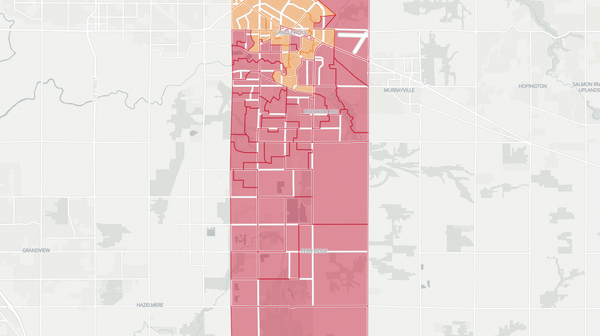
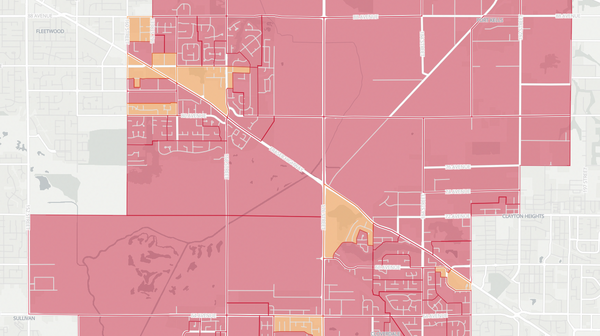
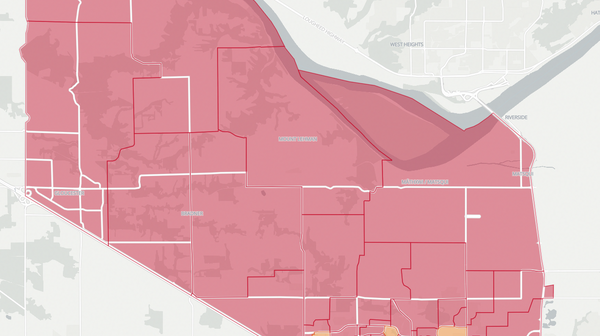
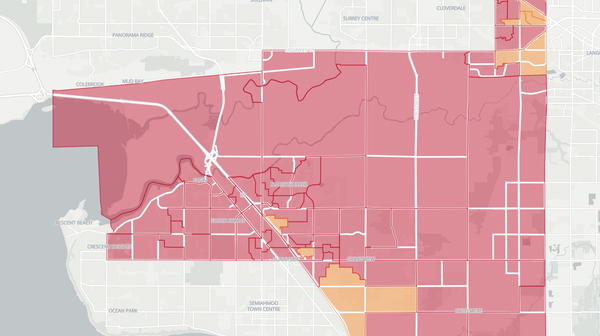
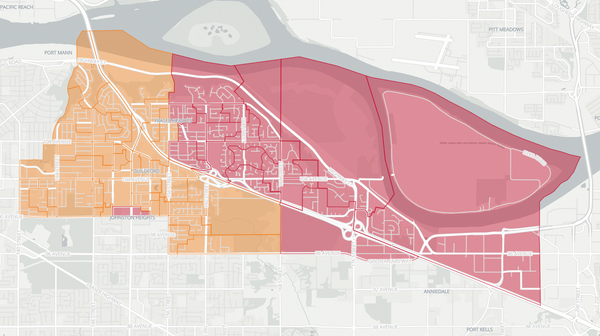
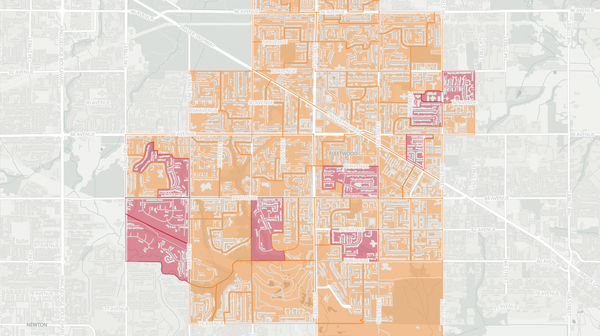
Poll-by-poll results for Langley East in the 2017 British Columbia election. The BC Liberal Party candidate won this riding. Explore detailed voting data, candidate results, and turnout statistics at the poll level.
Riding information
Auto generated. Flag an issue.Langley East
Langley East was a newly created riding, established through the 2015 electoral redistribution, combining parts of the former Langley and Fort Langley-Aldergrove districts. Despite the new boundaries, the riding's political character was well understood: it was solidly BC Liberal territory, and Rich Coleman—who had represented the area under the Fort Langley-Aldergrove banner since 1996—was seeking election in the reconfigured seat. Coleman was one of the most powerful figures in BC Liberal politics, serving as Deputy Premier and Minister of Natural Gas Development while also holding responsibility for housing. The riding stretches across the Township of Langley's eastern reaches, mixing suburban developments with agricultural land, equestrian properties, and rural communities.
The riding sat at the crossroads of urban and rural British Columbia. New subdivisions were sprouting alongside established farms, and the Agricultural Land Reserve created distinct pockets of suburban density separated by stretches of farmland. Young families attracted by relatively affordable housing prices shared the riding with longtime agricultural operations, creating a diverse electorate with competing priorities.
Candidates
Rich Coleman (BC Liberal Party) — Coleman was the incumbent MLA, Deputy Premier, and Minister of Natural Gas Development and Minister Responsible for Housing. Born in Nelson, he grew up in Penticton and served briefly as an RCMP officer in Alberta before returning to British Columbia to enter private business in real estate management and consulting. He was first elected in 1996 and had held numerous cabinet portfolios under premiers Gordon Campbell and Christy Clark, including Minister of Public Safety, Minister of Forests, and Minister of Energy and Mines.
Inder Johal (BC NDP) — Johal was the outreach and communications coordinator for the Kwantlen Public Interest Research Group at Kwantlen Polytechnic University. She was a recent graduate of Kwantlen Polytechnic University's criminology program.
Bill Masse (BC Green Party) — Masse had worked for thirty years at the federal Department of Fisheries and Oceans, retiring in 2004 as the senior fisheries negotiator for the Pacific Region. The 2017 election was his first run for elected office.
Alex Joehl ran for the Libertarian Party, receiving under two percent of the vote.
Local Issues
Affordability and housing were defining issues in Langley East, as they were across much of Metro Vancouver's suburban fringe. The riding's relative affordability compared to Vancouver and Burnaby had attracted waves of new homebuyers, particularly young families, but prices were climbing. The tension between encouraging development and preserving the Agricultural Land Reserve was a recurring debate. Coleman's role as the minister responsible for housing made the province's housing record a particularly pointed question in this riding, with critics arguing the government had been too slow to address speculation and foreign ownership.
Transportation infrastructure was a major concern for commuters. Residents of Langley East relied heavily on the Trans-Canada Highway and arterial routes to reach employment centres elsewhere in Metro Vancouver, and bridge tolls on the Port Mann and Golden Ears crossings were a tangible daily cost. The NDP's pledge to remove tolls appealed to commuter households, while the Liberals emphasized the new infrastructure the tolls were financing.
The Agricultural Land Reserve shaped land-use debates across the riding. Langley is home to a large equestrian community and significant farming operations, and residents were protective of agricultural land even as development pressure mounted. The balance between growth and rural preservation was a local issue with no easy answers, complicated by regional planning decisions made at the Metro Vancouver level. Broader provincial issues—ICBC premiums, MSP costs, the opioid crisis, and the state of public education—also factored into voters' calculations.