St. Albert — 2023 Alberta Provincial Election Results Map
St. Albert — 2023 Election Results
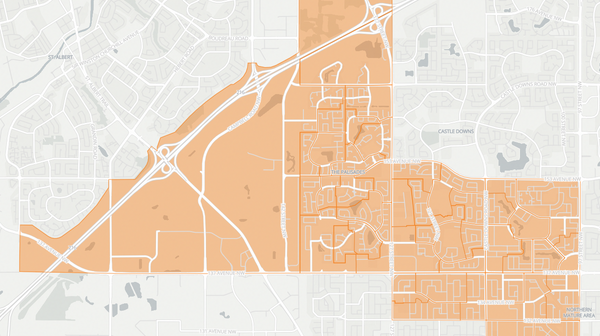
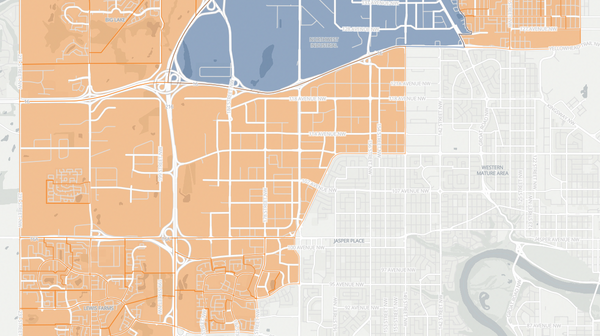
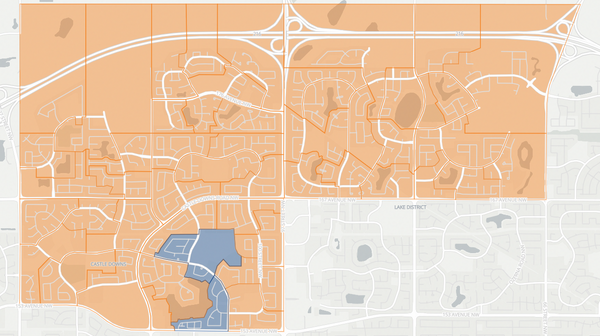
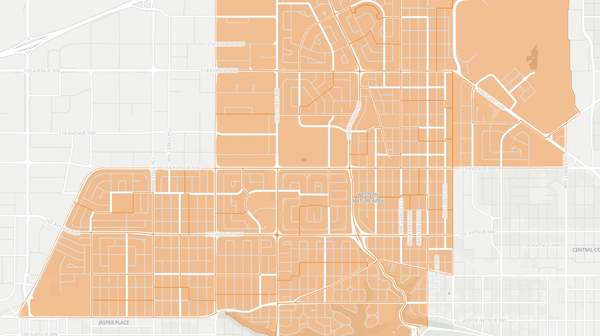
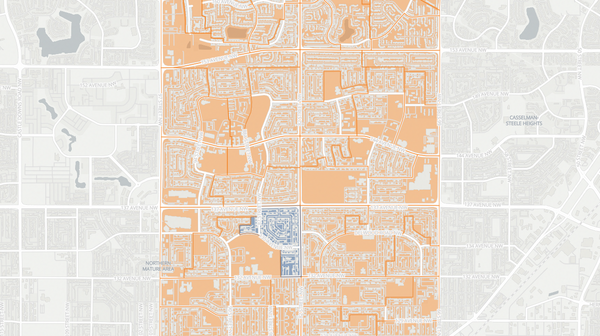
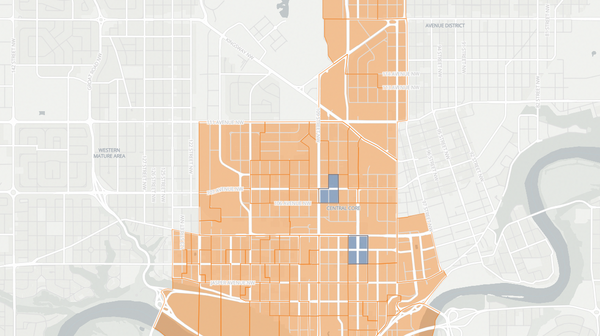
Poll-by-poll results for St. Albert in the 2023 Alberta election. The NDP candidate won this riding. Explore detailed voting data, candidate results, and turnout statistics at the poll level.
Riding information
Auto generated. Flag an issue.St. Albert
Perched on the Sturgeon River's banks just northwest of Edmonton, St. Albert is a city of approximately 68,000 that has cultivated a reputation for strong schools, an extensive trail network, and a vibrant arts scene anchored by the annual International Children's Festival. The riding covers the entire city, a self-governing municipality with its own commercial core and a civic identity distinct from Edmonton. NDP MLA Marie Renaud, first elected in the 2015 wave and re-elected in 2019, sought an uncommon third consecutive term in a suburban seat that sits on the ideological fault line between Edmonton's progressive core and the more conservative communities to the north and west.
Candidates
Marie Renaud (NDP)* — A two-term incumbent first elected in 2015, Renaud spent 14 years before politics as executive director of the Lo-Se-Ca Foundation, a St. Albert non-profit providing housing and supports for adults with developmental disabilities. She holds a university certificate in counselling women from the University of Alberta and a diploma in community disability studies from MacEwan University, where she also taught for seven years. During her time in office she helped secure funding for a neonatal intensive care unit at the Sturgeon Hospital and worked with the St. Albert Midwives to expand courses of care, leading to the opening of the Rinita Birth Centre. She serves as the NDP's critic for community and social services and francophone issues.
Angela Wood (United Conservative) — A St. Albert resident who moved to the city from the Calgary area in 2019 to attend law school. Wood holds a Bachelor of Arts with Distinction and completed her Juris Doctor at the University of Alberta. She came second in the 2021 St. Albert mayoral race and won the UCP nomination in November 2022 over ministerial press secretary Melissa Crane. She comes from an RCMP family and was completing her law articles at a St. Albert firm during the campaign.
Cameron Jefferies (Green Party) — A law professor at the University of Alberta specializing in environmental and energy law. Jefferies also ran for the Green Party in the riding in 2019, earning under one per cent of the vote.
Local Issues
The twinning of Ray Gibbon Drive, St. Albert's primary north-south corridor connecting to Edmonton's northwest, remained the city's marquee infrastructure file. Funding had been secured under the NDP government and honoured by the UCP, and the 2023 provincial budget included continued support for the project. Renaud claimed credit for advancing the file during her terms, while the UCP argued that the project's progress demonstrated the governing party's commitment to the region. Beyond Ray Gibbon, the city's push for light rail transit connecting St. Albert to Edmonton's planned northern LRT extension remained aspirational, with no firm provincial commitment on the table.
Healthcare was the issue that generated the most heat at local forums. The Sturgeon Community Hospital serves St. Albert and surrounding communities, and residents raised concerns about emergency department wait times, physician shortages, and the broader strain on Alberta's health system following the pandemic years. Renaud highlighted the neonatal ICU funding she helped secure, while the UCP pointed to record provincial health spending. The NDP's proposal for family health teams — expanded clinics designed to connect patients with doctors, nurses, and other providers — resonated with St. Albert voters who reported difficulty finding primary care.
Affordability and the cost of living shaped the campaign's economic dimension. St. Albert's housing market, while more accessible than some comparably sized cities, had seen price increases that pushed homeownership further from reach for younger families. Utility costs, insurance rates, and grocery prices were frequent topics at doorsteps. The city's advocacy priorities also included stable municipal funding from the province, accessible housing options, and investment in recreational and cultural infrastructure to match the community's continued growth.