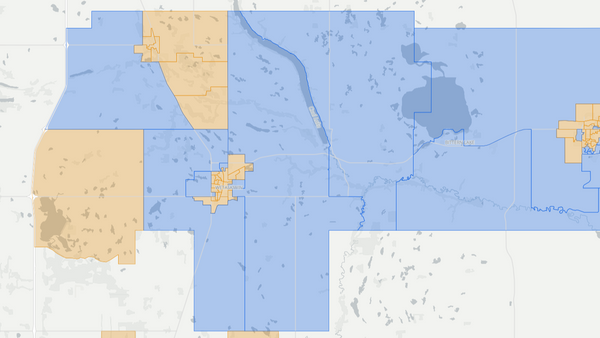
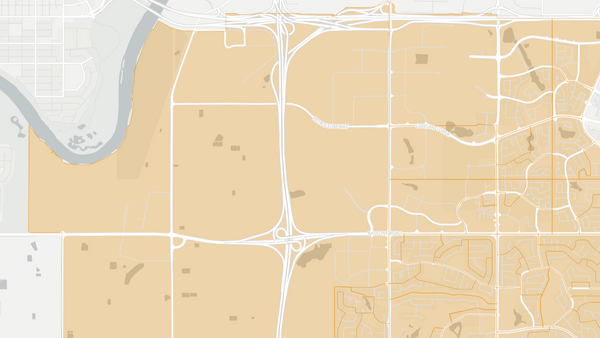
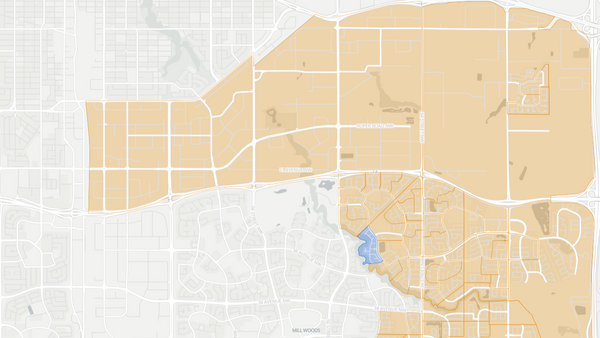
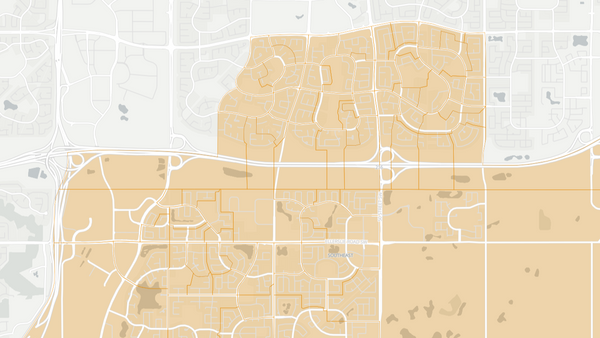
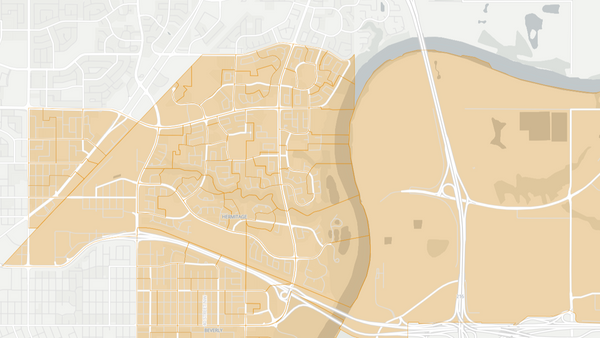
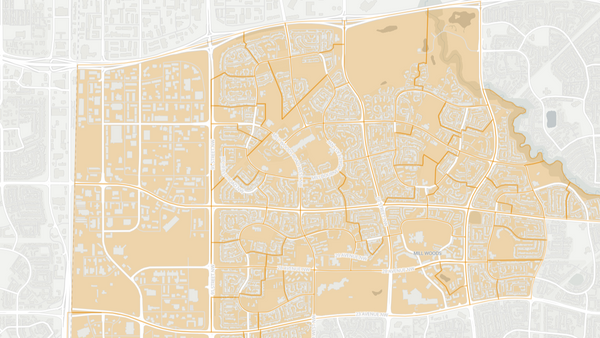
Strathcona-Sherwood Park — 2015 Alberta Provincial Election Results Map
Strathcona-Sherwood Park — 2015 Election Results
Poll-by-poll results for Strathcona-Sherwood Park in the 2015 Alberta election. The NDP candidate won this riding. Explore detailed voting data, candidate results, and turnout statistics at the poll level.
Riding information
Auto generated. Flag an issue.Strathcona—Sherwood Park
Strathcona—Sherwood Park is a provincial electoral district encompassing much of the urban hamlet of Sherwood Park and portions of Strathcona County, located immediately east of Edmonton. Sherwood Park, with a population of roughly 70,000, is one of the largest communities in Canada without city status, functioning as an urban centre within the specialized municipality of Strathcona County. The riding sits adjacent to Alberta's Industrial Heartland, a major petrochemical processing zone, and the Refinery Row corridor along the county's western edge. Incumbent Dave Quest of the Progressive Conservatives was seeking a third term, having first been elected in 2008.
Candidates
Estefania Cortes-Vargas (NDP) — Cortes-Vargas was a young candidate of Colombian-Canadian background who ran on a platform emphasizing affordability, health care, and education in the growing Sherwood Park community.
Dave Quest (Progressive Conservative) — Quest was the two-term incumbent MLA, having represented the area since 2008. He was appointed Associate Minister of Seniors in December 2013 under Premier Alison Redford. He sought re-election on his record of constituency service.
Rob Johnson (Wildrose) — Johnson ran as the Wildrose candidate in the riding, seeking to capitalize on conservative voters disillusioned with the PC party following the floor-crossing controversy.
Lynne Kaiser (Alberta Party) also sought the seat.
Local Issues
Health care infrastructure was a major concern in Strathcona County heading into the 2015 election. The Strathcona Community Hospital had finally opened in May 2014 after years of delays. The project had originally broken ground in 2007 with a projected completion date of late 2009 but was put on hold during the 2008-2009 economic downturn. The hospital's troubled development, including a political fight over whether it would include overnight beds, had been a sore point for residents for years. While the opening of the 27-bed facility with a 24-hour emergency department was welcomed, many residents felt the hospital remained inadequate for the county's growing population.
The oil price crash affected Strathcona County through its close ties to the petrochemical industry and Alberta's Industrial Heartland. With billions of dollars in energy investment being cancelled or deferred across the province, workers in the refining and petrochemical sectors faced uncertainty. The economic downturn also put pressure on county property tax revenues and raised questions about the sustainability of planned infrastructure projects.
A contentious AltaLink transmission line project through the Cooking Lake area of Strathcona County had drawn opposition from residents in 2014, with the county itself formally opposing the project. The broader question of how energy infrastructure development balanced against residential and environmental concerns was a significant local issue that highlighted tensions between the county's industrial base and its suburban communities.