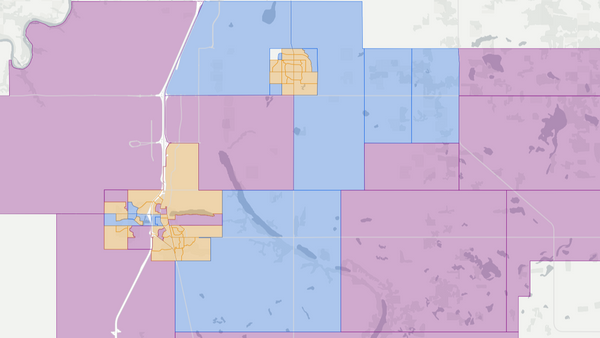
Red Deer-North — 2015 Alberta Provincial Election Results Map
Red Deer-North — 2015 Election Results
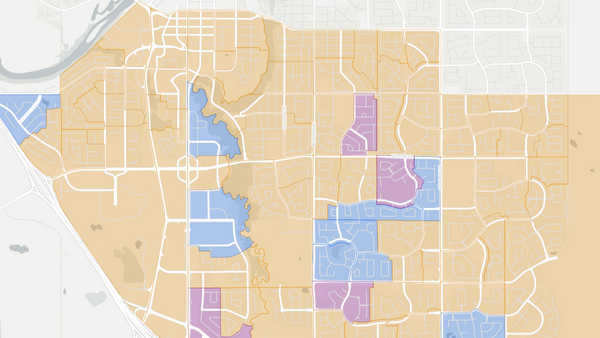
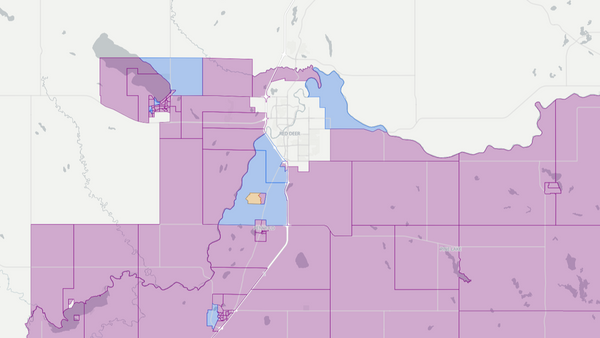
Poll-by-poll results for Red Deer-North in the 2015 Alberta election. The NDP candidate won this riding. Explore detailed voting data, candidate results, and turnout statistics at the poll level.
Riding information
Auto generated. Flag an issue.Red Deer-North
Red Deer-North covers the northern half of Red Deer, Alberta's third-largest city, situated midway between Calgary and Edmonton on the Queen Elizabeth II Highway. The riding includes established residential neighbourhoods, commercial districts, and the northern gateway to a city that serves as a regional hub for central Alberta. Red Deer-North had elected Progressive Conservative MLAs without interruption since the riding was created in 1986, most recently Mary Anne Jablonski, who decided not to seek re-election in 2015 after 15 years in office.
With no incumbent running and the PC dynasty facing a province-wide challenge from both the Wildrose and a surging NDP under Rachel Notley, Red Deer-North became an unexpectedly competitive battleground.
Candidates
Kim Schreiner (NDP) — Schreiner worked as a health care aide, beginning in 2007, at facilities including Valley Park Manor, Covenant Care, and Extendicare. She served as steward and occupational health and safety representative for the Alberta Union of Provincial Employees and was active with resident advisory and family councils in the long-term care sector.
S.H. (Buck) Buchanan (Wildrose) — Buchanan ran as the Wildrose candidate in Red Deer-North.
Christine Moore (Progressive Conservative) — Moore sought to hold the riding for the PCs following Jablonski's retirement.
Michael Dawe (Liberal) — Dawe was Red Deer's city archivist, a position he had held since 1979. A graduate of Red Deer College and the University of Alberta with a degree in history, he authored several books on Red Deer's history and was a founding member of the Alberta Society of Archivists.
Local Issues
The capacity crisis at Red Deer Regional Hospital was a defining local issue. The hospital served a catchment area of central Albertans, and a needs assessment found it was short 96 beds, three operating rooms, and 18 emergency room treatment stretchers. Overcrowding forced patients into makeshift treatment spaces, and the need for a major expansion had been documented in a master plan. Health care access and wait times were top-of-mind concerns for voters in both Red Deer ridings.
The oil price crash of late 2014 reverberated through Red Deer's economy. Although the city had pursued some economic diversification, it remained heavily reliant on the energy sector, and layoffs in oil and gas services rippled through local businesses, housing markets, and municipal revenues. The sense that Red Deer was often overlooked by provincial policymakers in favour of Calgary and Edmonton added to local frustration.
Community safety and social issues were also prominent concerns. Red Deer had been grappling with rising crime rates and drug addiction issues, and residents called on provincial candidates to address the root causes of these challenges through investments in mental health services, policing, and social supports.