Cypress-Medicine Hat — 2015 Alberta Provincial Election Results Map
Cypress-Medicine Hat — 2015 Election Results
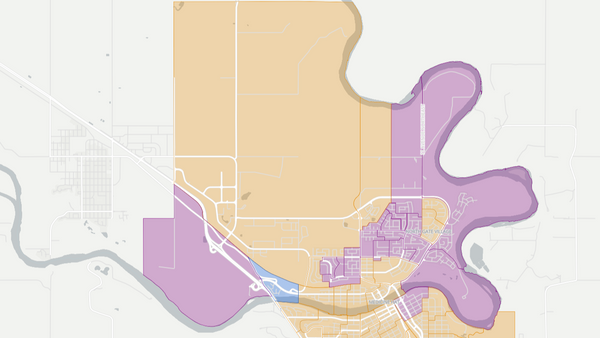
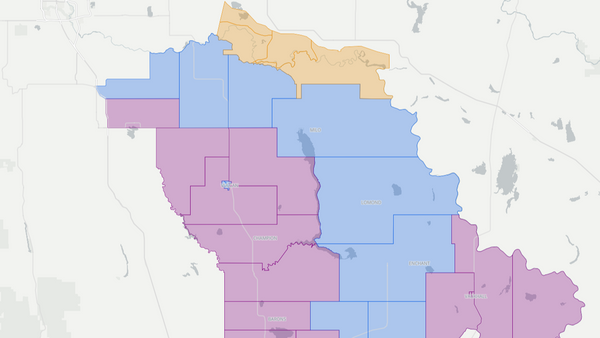
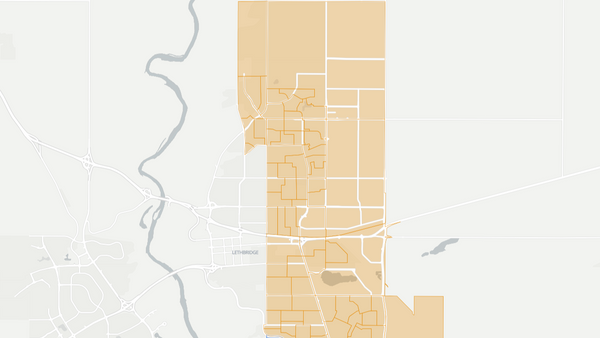
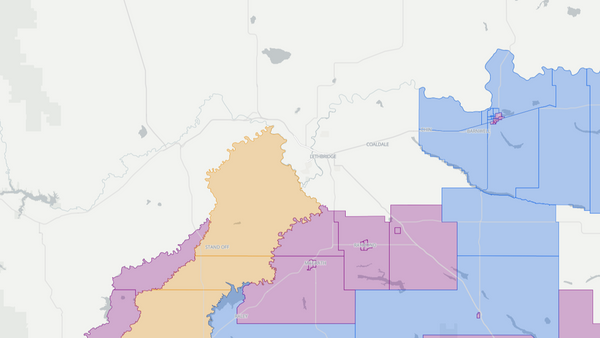
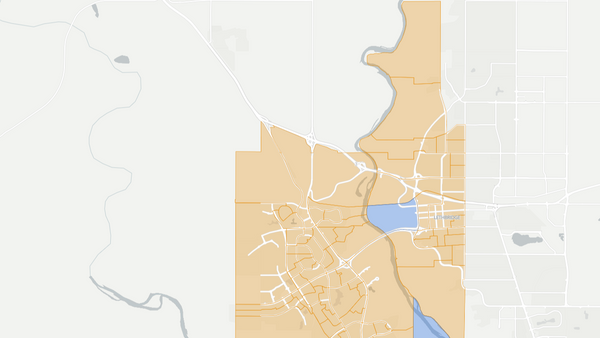
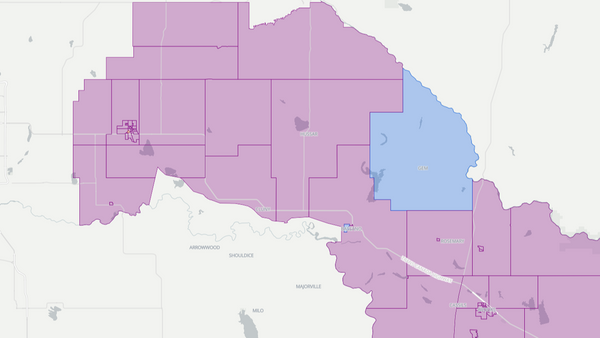
Poll-by-poll results for Cypress-Medicine Hat in the 2015 Alberta election. The Wildrose candidate won this riding. Explore detailed voting data, candidate results, and turnout statistics at the poll level.
Riding information
Auto generated. Flag an issue.Cypress—Medicine Hat
Cypress—Medicine Hat covered southeastern Alberta, including the portion of Medicine Hat south of the South Saskatchewan River and the surrounding rural areas of Cypress County, stretching toward the Saskatchewan border. The riding took in ranching and dryland farming country as well as significant natural gas production. Medicine Hat had long been known as "The Gas City" for its municipal ownership of natural gas reserves, which had subsidized city services and property taxes for over a century. Wildrose MLA Drew Barnes had won the seat in 2012 and remained with the party through the December 2014 floor crossing, solidifying his standing with the base.
Candidates
Drew Barnes (Wildrose) — Barnes was first elected in 2012 and was seeking a second term. Before entering politics he had worked in real estate for over two decades, serving as president of the Medicine Hat Real Estate Board, and had opened several businesses in Medicine Hat. He was also a former president of the Kiwanis Club. In early 2015 he entered the Wildrose leadership race, finishing second to Brian Jean on March 28, 2015, before returning his focus to his own riding's re-election campaign.
Bob Olson (Progressive Conservative) — Olson was a former reeve of Cypress County who brought municipal government experience to the race as the PC standard-bearer.
Bev Waege (NDP) — Waege ran for the NDP in a riding where the party faced steep odds.
Eric Musekamp (Liberal) — Musekamp ran for the Liberals in the riding.
Local Issues
The prolonged depression in natural gas prices was quietly transforming Medicine Hat's fiscal model. For decades, the city's energy division had used natural gas revenues to subsidize property taxes and fund municipal projects. But a persistent glut of cheap North American natural gas had eroded those earnings, and the city was being forced to diversify its revenue base. The planned construction of a new natural gas-fired power plant signalled a pivot toward electricity generation as a more reliable revenue stream.
The oil price crash compounded these challenges. While Cypress—Medicine Hat was more natural-gas oriented than the oil sands regions to the north, the broader energy downturn still affected local service companies and employment. Ranchers and dryland farmers in the rural portions of the riding dealt with their own set of concerns, including cattle market volatility and crop insurance adequacy.
Health care access remained a concern, particularly for seniors in the smaller communities scattered across the riding's vast geography. The distance to specialized medical services in Medicine Hat or Lethbridge meant that any erosion of local health facilities had an outsized impact on rural residents.