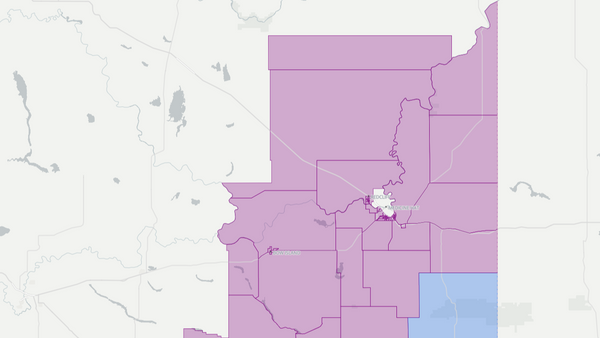
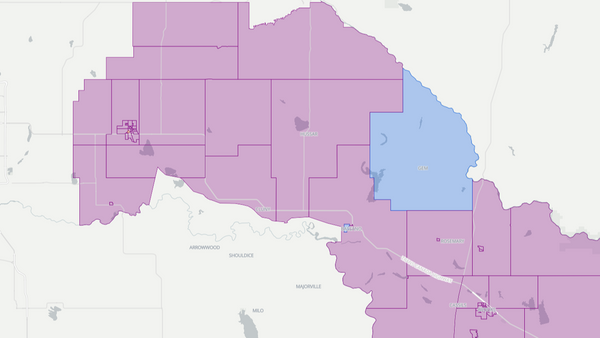
Cardston-Taber-Warner — 2015 Alberta Provincial Election Results Map
Cardston-Taber-Warner — 2015 Election Results
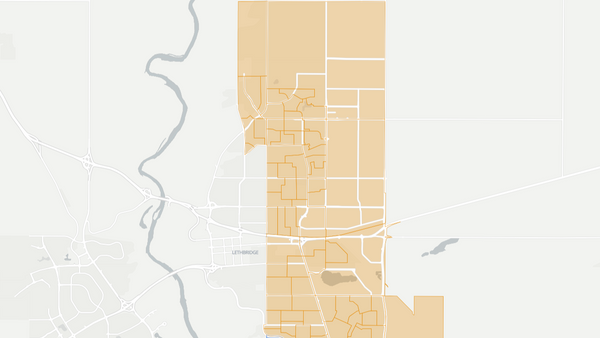
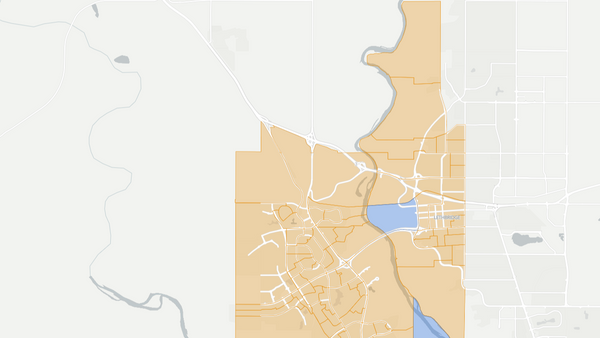
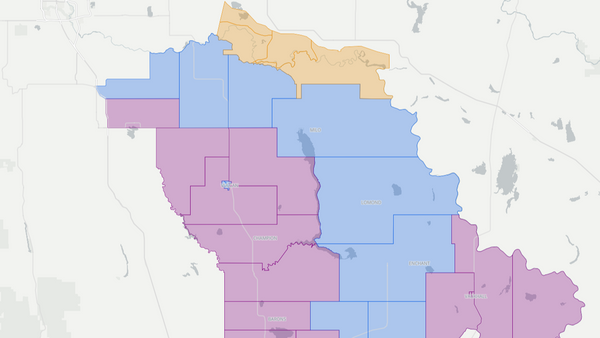
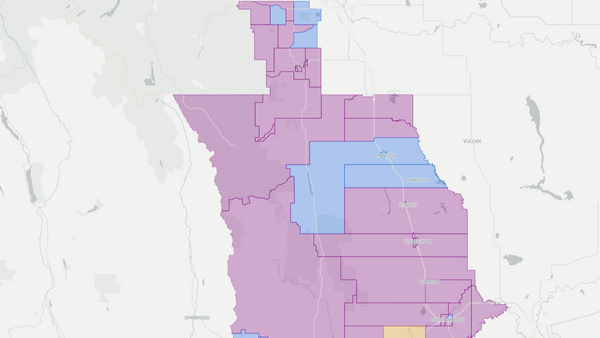
Poll-by-poll results for Cardston-Taber-Warner in the 2015 Alberta election. The Wildrose candidate won this riding. Explore detailed voting data, candidate results, and turnout statistics at the poll level.
Riding information
Auto generated. Flag an issue.Cardston—Taber—Warner
Cardston—Taber—Warner covered a broad expanse of southern Alberta's agricultural heartland, stretching from the Town of Cardston near Waterton Lakes National Park through the sugar beet and potato country around Taber to the grain-farming communities of Warner, Milk River, and Raymond. The riding was irrigated in large part by the St. Mary River Irrigation District, making water management central to the local economy. The sitting MLA, Wildrose's Gary Bikman, had crossed the floor to the PCs in December 2014 as part of the mass defection, and subsequently lost the PC nomination to Taber-area Reeve Brian Brewin. This left the riding without an incumbent and fuelled grassroots anger at the perceived betrayal.
Candidates
Grant Hunter (Wildrose) — Hunter held a bachelor of science degree in economics and political science and a master of business administration. He had owned and operated a commercial and residential construction company for more than two decades. Prior to that, he had worked as a teacher and had experience in the import-export business and media industry.
Brian Brewin (Progressive Conservative) — Brewin was the reeve of the Municipal District of Taber, first elected to council in 1998 and serving as reeve since 2010. He served on the Alberta Irrigation Council and chaired the South Region Drainage Committee. He was endorsed by Brooks Mayor Martin Shields and former PC MLA Bob Bogle.
Aaron Haugen (NDP) — Haugen carried the NDP banner in a riding that had long favoured conservative candidates.
Delbert Bodnarek (Alberta Party) — Bodnarek ran for the Alberta Party in the riding.
Local Issues
School modernization was a pressing concern across the riding, with communities in Barnwell, Warner, and Magrath seeking provincial funding for aging facilities. Rural internet connectivity lagged behind urban centres, limiting both educational opportunities and the ability of agricultural businesses to adopt precision-farming technology. Physician recruitment in small communities like Milk River remained a challenge, as the area struggled to attract and retain family doctors.
Irrigation infrastructure was the lifeblood of the riding's agricultural economy. The St. Mary River Irrigation District and the Taber Irrigation District supported intensive crop production, including sugar beets, potatoes, and specialty crops that required reliable water delivery. Producers sought provincial support for canal modernization and expansion to boost water efficiency and open new acreage to irrigation. The importance of value-added agricultural processing — turning raw crops into finished products locally — was a recurring theme among candidates.
The oil price decline, while less devastating here than in northern Alberta, still affected the riding's oil and gas service sector and strained provincial revenues that funded rural infrastructure and programs. Seniors housing in Raymond and other small communities was identified as a gap, with aging populations requiring more supported-living options closer to home.