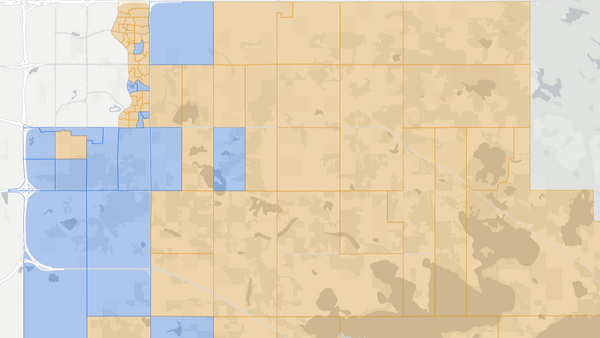
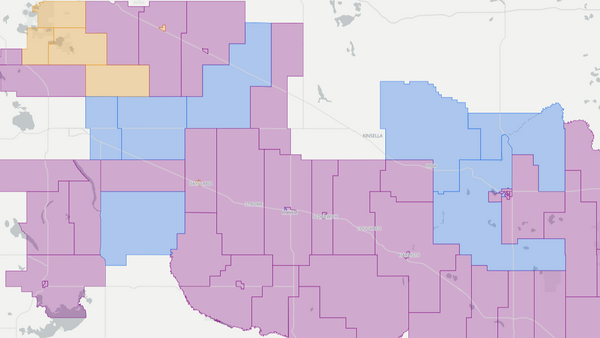
Bonnyville-Cold Lake — 2015 Alberta Provincial Election Results Map
Bonnyville-Cold Lake — 2015 Election Results
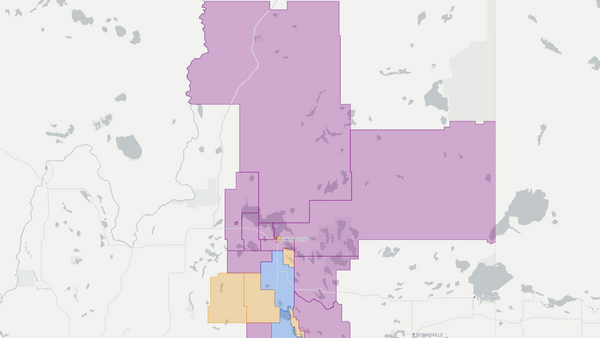
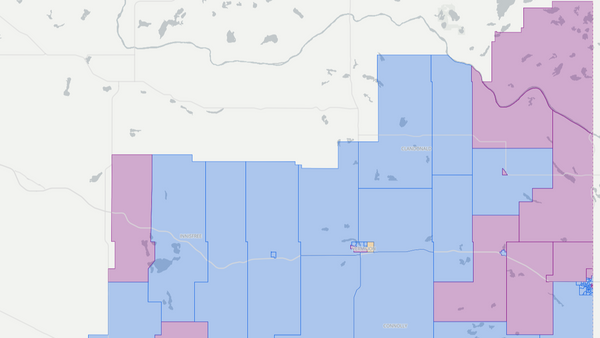
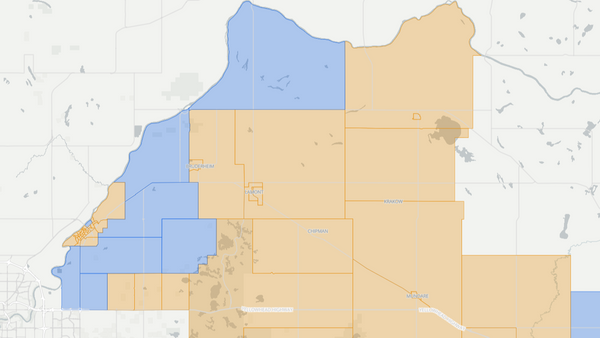
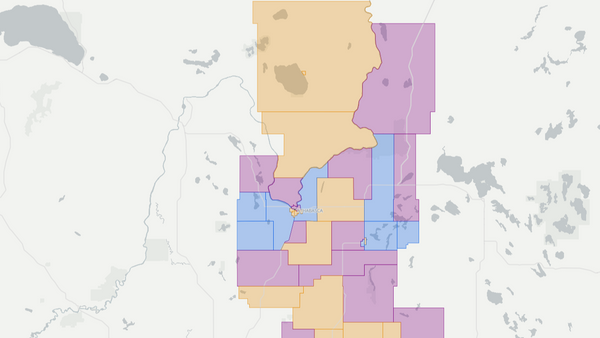
Poll-by-poll results for Bonnyville-Cold Lake in the 2015 Alberta election. The Wildrose candidate won this riding. Explore detailed voting data, candidate results, and turnout statistics at the poll level.
Riding information
Auto generated. Flag an issue.Bonnyville—Cold Lake
Bonnyville—Cold Lake occupied a large stretch of northeastern Alberta along the Saskatchewan border, encompassing the City of Cold Lake, the Town of Bonnyville, and surrounding rural areas including the Municipal District of Bonnyville, Cold Lake First Nations, Kehewin First Nation, and the Elizabeth and Fishing Lake Metis settlements. CFB Cold Lake, one of Canada's largest military installations and home to 4 Wing, sat within the riding. The area's economy was heavily tied to in-situ oil sands extraction, with Imperial Oil's Cold Lake operations and Cenovus's Foster Creek and Christina Lake projects nearby. Retiring PC MLA Genia Leskiw's departure created an open seat heading into 2015.
Candidates
Scott Cyr (Wildrose) — A lifelong northern Albertan, Cyr held a management degree in accounting and finance from the University of Lethbridge along with a Class 4 power engineering certificate. He had worked as an accountant for fourteen years before entering politics. His parents worked as a mechanic and a bookkeeper, and Cyr emphasized his understanding of working families in the resource-dependent region.
Craig Copeland (Progressive Conservative) — Copeland was the sitting mayor of Cold Lake, first elected to the position in 2007 and re-elected in 2010 and 2013. He brought municipal government experience to the race and ran on a platform of continuity and local knowledge.
Josalyne Head (NDP) — Head ran for the NDP in a riding where the party had traditionally struggled to gain traction.
Rob Fox (Alberta Party) — Fox carried the Alberta Party banner in the riding.
Local Issues
The oil price collapse that began in late 2014 struck the Bonnyville—Cold Lake region with particular force. The area's heavy reliance on in-situ oil sands production meant that when benchmark prices plunged, service companies cut crews and exploration budgets were slashed. Businesses in Bonnyville that had thrived on oilfield traffic saw revenues decline, and the town's population would begin to contract as workers left in search of employment elsewhere.
CFB Cold Lake presented its own set of concerns. A federal ombudsman investigation had documented serious quality-of-life issues for military families at the base, including deteriorating housing stock, rapidly rising rents, and a cost of living driven up by the oil boom that had outpaced military pay scales. Many junior-ranked personnel were forced to take second jobs. Only 18 of the base's 853 residential housing units were assessed in good condition, with the vast majority rated fair or poor. These pressures weighed on the local economy and community services.
Health care access in the rural parts of the riding was another persistent issue, with long distances to hospitals and difficulty recruiting physicians to small communities. Infrastructure concerns, including road maintenance on highways connecting remote communities to services in Bonnyville and Cold Lake, rounded out the list of local priorities heading into election day.