Lesser Slave Lake — 2015 Alberta Provincial Election Results Map
Lesser Slave Lake — 2015 Election Results
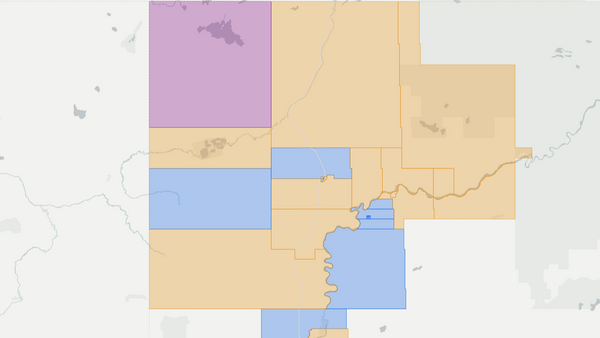
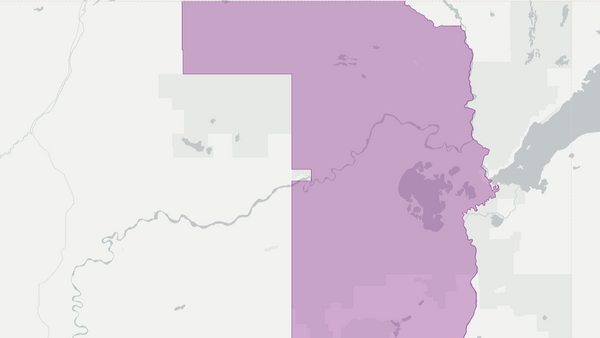
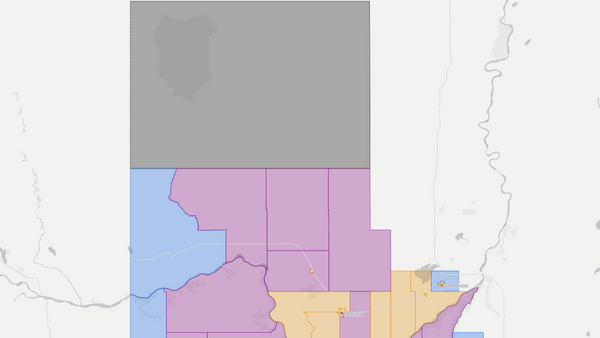
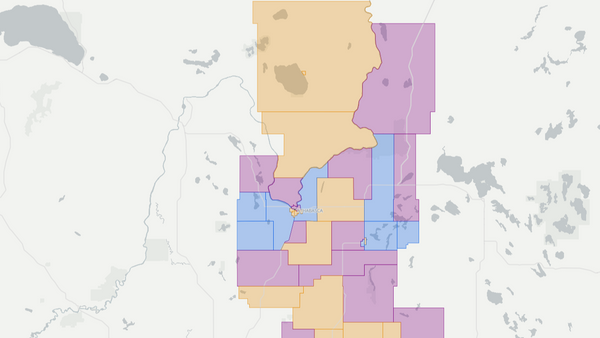
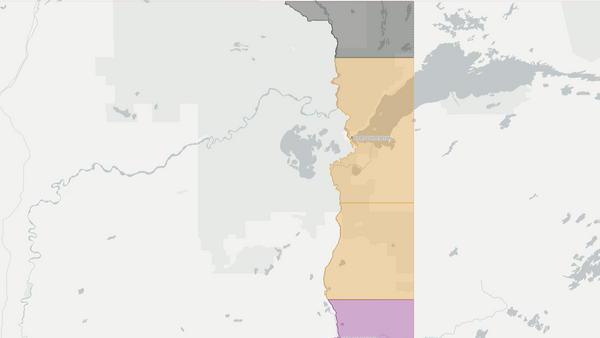
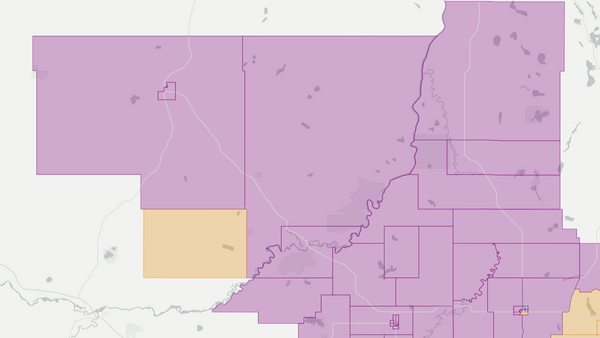
Poll-by-poll results for Lesser Slave Lake in the 2015 Alberta election. The NDP candidate won this riding. Explore detailed voting data, candidate results, and turnout statistics at the poll level.
Riding information
Auto generated. Flag an issue.Lesser Slave Lake
Lesser Slave Lake is a predominantly rural riding in northern Alberta anchored by the towns of Slave Lake and High Prairie, situated around Alberta's second-largest lake. The constituency is home to eleven First Nations, including Bigstone Cree Nation, Driftpile First Nation, Sawridge First Nation, and Whitefish Lake First Nation, giving it one of the largest Indigenous populations of any Alberta riding. Heading into 2015, the riding had been represented by Progressive Conservative MLA Pearl Calahasen since 1989, making her one of the longest-serving members of the Alberta legislature. The first Métis woman elected to public office in Alberta, Calahasen had built deep roots in the constituency over more than two decades, but the broader political upheaval of 2014–2015 put even the most entrenched incumbents at risk.
Candidates
Danielle Larivee (NDP) — Larivee was a registered nurse who had worked in public health with Alberta Health Services for seventeen years. A resident of Slave Lake for over forty years, she raised her three children in the community and was well known locally through her health care work.
Pearl Calahasen (Progressive Conservative) — Calahasen had represented Lesser Slave Lake continuously since 1989. Born and raised in Grouard, she held a bachelor of education from the University of Alberta and a master's degree from the University of Oregon. Before entering politics, she taught grades one through twelve, served as a continuing education coordinator at Alberta Vocational College in Lesser Slave Lake, and led the development of the first Native language program introduced in Alberta schools. She had served in cabinet as Minister without Portfolio responsible for Children's Services and as Associate Minister of Aboriginal Affairs under Ralph Klein.
Darryl Boisson (Wildrose) — Boisson carried the Wildrose banner in Lesser Slave Lake, seeking to establish a conservative alternative to the PCs in a riding that had been a one-party domain for a generation.
Local Issues
The recovery from the devastating 2011 wildfire that destroyed roughly a third of the town of Slave Lake remained a defining issue heading into 2015. While the government centre and about eighty percent of homes had been rebuilt within two years of the fire, roads and sidewalks took another four years to complete, and the experience left lasting scars on the community. Research conducted after the fire documented ongoing psychological stress among residents, particularly children, and questions persisted about whether adequate long-term mental health supports had been put in place.
Health care access was a pressing concern across the riding. Both Slave Lake and High Prairie served as regional health centres for vast surrounding areas, and residents in more remote First Nations communities often faced long journeys to reach care. Physician recruitment and the availability of specialist services were recurring frustrations, compounded by the province's broader fiscal pressures as oil revenues declined.
The oil price collapse that began in late 2014 added new economic anxiety to a region still rebuilding from natural disaster. Forestry and oil and gas were pillars of the local economy, and the sharp decline in energy prices threatened jobs in drilling, servicing, and transportation. Municipal leaders worried about declining assessment bases and their ability to maintain infrastructure, while First Nations communities, many of which already faced significant socioeconomic challenges, braced for reduced employment opportunities in the resource sector.