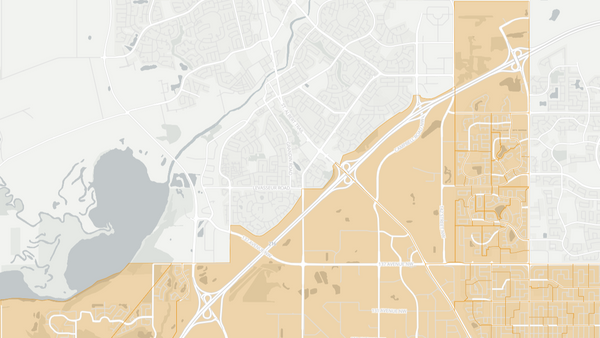
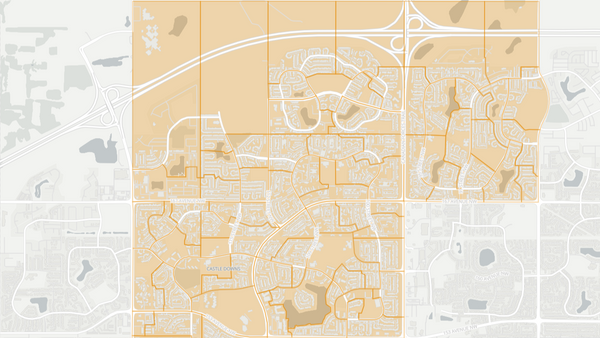
Barrhead-Morinville-Westlock — 2015 Alberta Provincial Election Results Map
Barrhead-Morinville-Westlock — 2015 Election Results
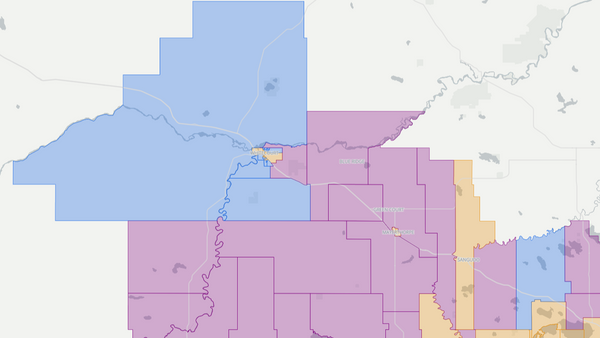
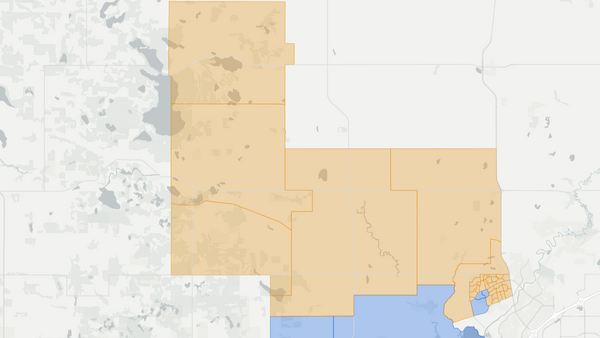
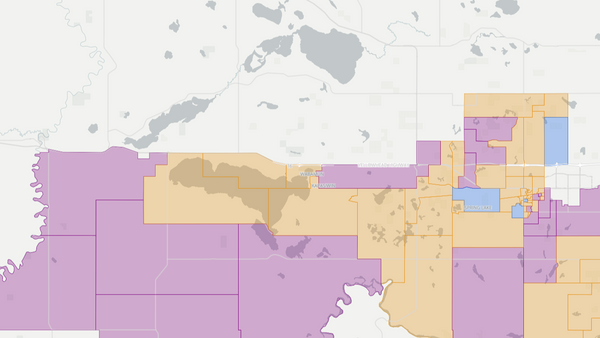
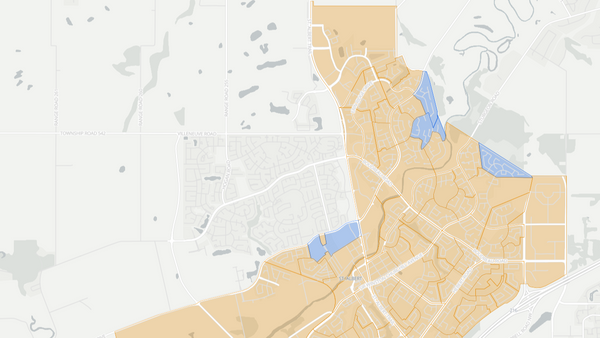
Poll-by-poll results for Barrhead-Morinville-Westlock in the 2015 Alberta election. The Wildrose candidate won this riding. Explore detailed voting data, candidate results, and turnout statistics at the poll level.
Riding information
Auto generated. Flag an issue.Barrhead-Morinville-Westlock
Barrhead-Morinville-Westlock is a rural riding northwest of Edmonton, taking in the agricultural communities of Barrhead, Morinville, Westlock, Swan Hills, Legal, and numerous smaller hamlets and farming districts. Created in 2004 and adjusted in the 2010 redistribution, the riding stretched from the northern edge of the Edmonton commuter belt into the boreal parkland. Agriculture was the dominant industry, with grain farming, livestock, and mixed farming operations defining the economic and cultural landscape. The incumbent was Maureen Kubinec, a Progressive Conservative MLA first elected in 2012 who had been appointed Minister of Culture and Tourism under Premier Prentice. Her tenure coincided with the upheaval of the Wildrose floor crossing and the controversial Prentice budget, which tested rural conservative voters' loyalties.
Candidates
Glenn Van Dijken (Wildrose) — Van Dijken operated his family grain farm in Dapp, Alberta. He and his spouse Barb were named Outstanding Young Farmers of Alberta in 2001, giving him deep roots in the riding's agricultural community and credibility on farming issues.
Tristan Turner (NDP) — Turner ran as the NDP candidate in a riding where the party had historically struggled, testing whether the provincial NDP wave could reach into rural Alberta.
Maureen Kubinec (Progressive Conservative) — The incumbent MLA, Kubinec lived on a farm in Linaria. She had won a competitive 2012 nomination to succeed long-serving MLA Ken Kowalski, defeating several other candidates before narrowly winning the general election against Wildrose candidate Link Byfield. She was appointed Minister of Culture and Tourism in the Prentice cabinet in 2014.
Local Issues
Rural health care was among the most urgent concerns in this riding, where access to physicians, emergency services, and hospital care required long drives for many residents. Small-town hospitals and medical clinics struggled with physician recruitment, and the provincial government's efforts to attract and retain doctors in rural areas were widely seen as insufficient. Seniors' care was a particular worry, as the riding's aging population needed long-term care options closer to home rather than being transferred to Edmonton facilities.
The oil price crash affected the riding's economy indirectly through reduced provincial revenues and the knock-on effects on government spending. But agriculture remained the primary economic driver, and farmers were focused on issues of property rights, rural land-use regulations, and the provincial government's approach to farm safety legislation. The Wildrose Party's defence of property rights and skepticism of government regulation resonated with many rural landowners who felt the PCs had grown distant from their base.
Infrastructure in the riding — rural roads, bridges, and broadband internet connectivity — was a constant concern. Residents in smaller communities like Swan Hills, which depended on resource extraction, worried about economic decline as oil prices fell. Morinville, the riding's fastest-growing community due to its proximity to the Edmonton commuter belt, faced pressures similar to other satellite towns: demand for schools, recreation facilities, and municipal services that outpaced the capacity of local government budgets.