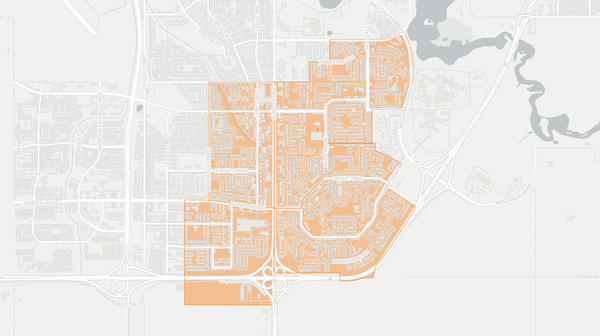
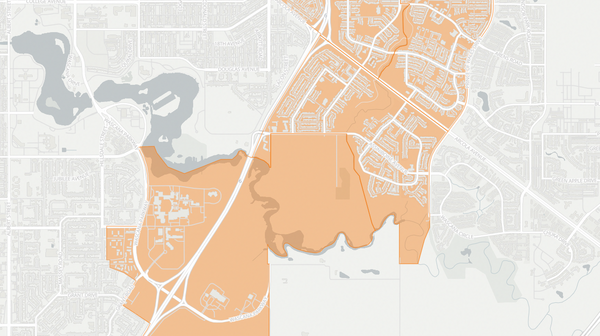
Estevan-Big Muddy — 2024 Saskatchewan Provincial Election Results Map
Estevan-Big Muddy — 2024 Election Results
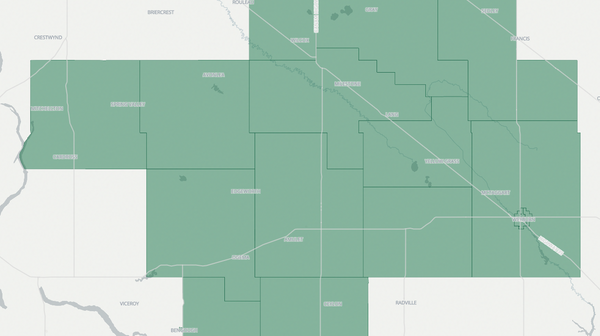
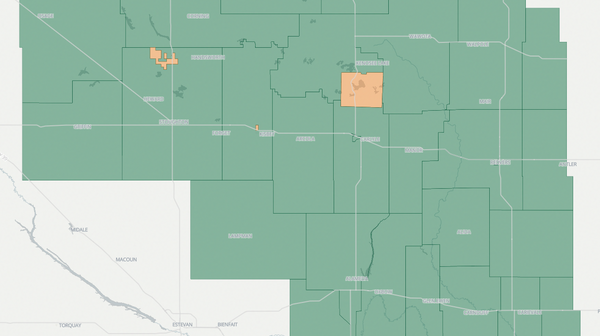
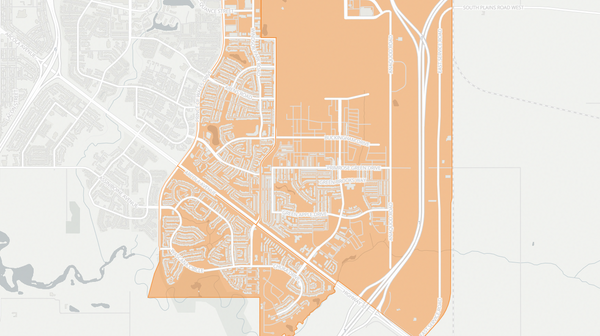
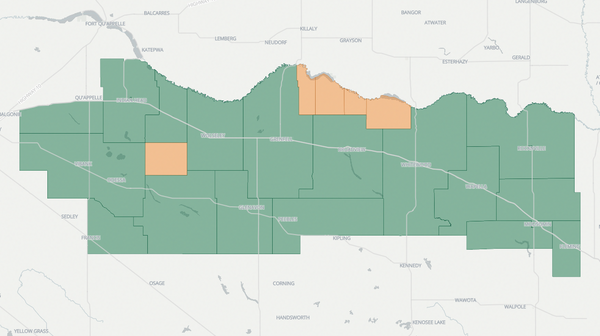
Poll-by-poll results for Estevan-Big Muddy in the 2024 Saskatchewan election. The Saskatchewan Party candidate won this riding. Explore detailed voting data, candidate results, and turnout statistics at the poll level.
Riding information
Auto generated. Flag an issue.Estevan—Big Muddy
Estevan—Big Muddy anchors the far southeast corner of Saskatchewan, centred on the city of Estevan and radiating outward through the agricultural and energy-producing communities of the Big Muddy region. The riding is synonymous with power generation: SaskPower's Boundary Dam and Shand stations together supply a substantial share of the province's base-load electricity, and the surrounding area supports active oil production. Incumbent Saskatchewan Party MLA Lori Carr, first elected in 2016, sought a third term as one of the most experienced members of caucus, carrying an extensive cabinet record into the campaign.
Candidates
Lori Carr (Saskatchewan Party) — Carr spent two decades as a licensed assistant in a financial planning office and served ten years on Estevan City Council before entering provincial politics. Since her election in 2016 she has held a succession of cabinet portfolios, including Highways and Infrastructure, Government Relations, Social Services, and SaskBuilds and Procurement. During the 2020–2024 term she was also named minister responsible for the Saskatchewan Liquor and Gaming Authority and the Public Service Commission. Her community involvement has included board service with the Air Cadet League, Ducks Unlimited, and the former Sun Country Health Region.
Phil Smith (NDP) — Smith was born in Arcola and grew up in Carlyle. He works as a cook in the food services industry and is also a musician and stand-up comedian. Smith said he was motivated to run by his family's experiences navigating the healthcare system and by concerns about affordability for working people in the region.
Phillip Zajac (Buffalo Party) — Zajac is the leader of the Buffalo Party of Saskatchewan, having been elected to that post in March 2022. A graduate of Beloit College in Wisconsin, where he studied sociology with a minor in political science, Zajac relocated to Estevan over a decade ago and has coached high school football in the community for fourteen years. He has worked in banking for more than a decade. He ran in the same riding in 2020, finishing second with a notable share of the vote.
Andrew Cey (Saskatchewan United Party) — Cey manages a wood elevator that handles organic grains and has worked across small-town Saskatchewan since completing a diploma in agriculture from the University of Saskatchewan in 1990. He has volunteered extensively with summer Bible camps, volunteer fire departments, and agricultural aid programs overseas.
Local Issues
The future of coal-fired power generation continued to dominate the political landscape in Estevan—Big Muddy. Federal regulations requiring conventional coal units to retire or convert to carbon capture by 2030 posed an existential challenge to a community where energy-sector wages significantly exceed the provincial average. The Saskatchewan Party government responded by announcing plans to extend the operating lives of Boundary Dam and Shand units and by advancing the site selection process for a GE Hitachi BWRX-300 small modular reactor, with both remaining candidate sites located near Estevan. In September 2024, the province directed an additional ten million dollars toward coal transition support for the Estevan and Coronach regions, and federal funding of seventy-four million dollars was committed to SMR development.
The oil sector, while recovering from the pandemic-era collapse, remained subject to price volatility and regulatory uncertainty. The riding's dual dependence on coal and petroleum made federal carbon pricing and emissions reduction targets feel particularly acute, and the strong showings by both the Buffalo Party and the Saskatchewan United Party reflected frustration among voters who viewed Ottawa's energy policies as a direct threat to local livelihoods.
Healthcare access was another persistent concern. Residents in the southeast relied on regional facilities that struggled with the same staffing shortages affecting rural Saskatchewan broadly, and the distance from major urban centres amplified anxiety about emergency and specialist care availability.