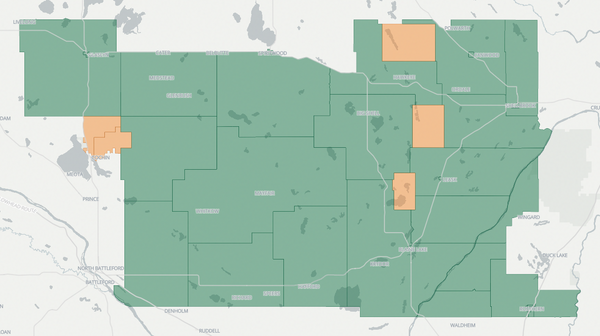
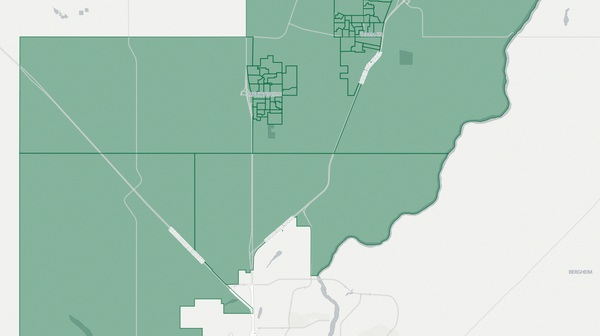
Saskatchewan Rivers — 2020 Saskatchewan Provincial Election Results Map
Saskatchewan Rivers — 2020 Election Results
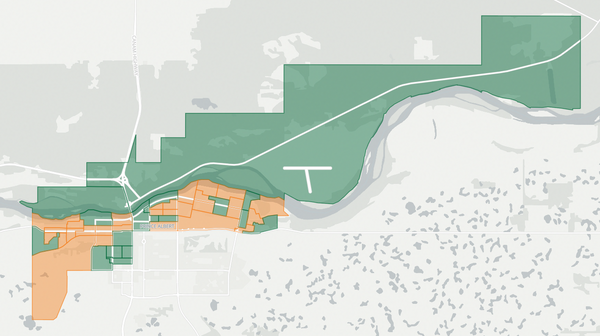
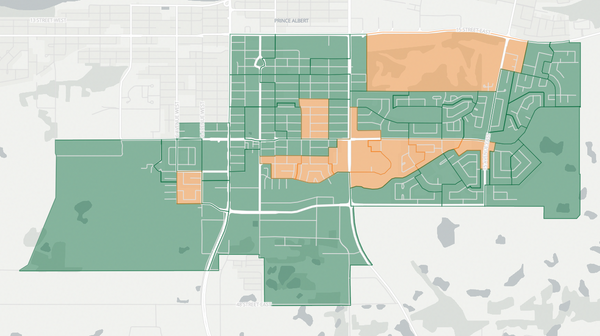
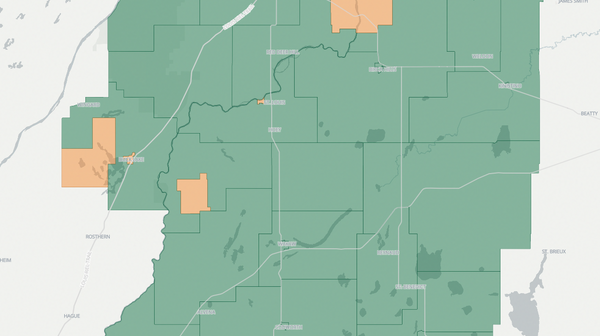
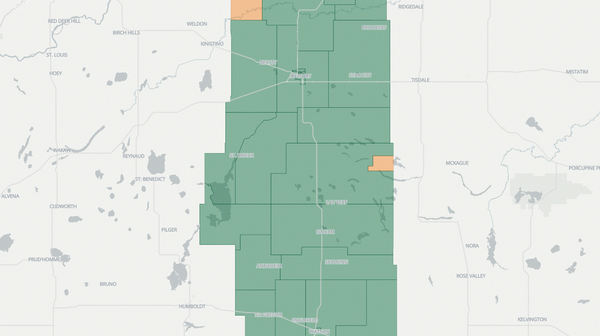
Poll-by-poll results for Saskatchewan Rivers in the 2020 Saskatchewan election. The Saskatchewan Party candidate won this riding. Explore detailed voting data, candidate results, and turnout statistics at the poll level.
Riding information
Auto generated. Flag an issue.Saskatchewan Rivers
Saskatchewan Rivers, stretching from the outskirts of Prince Albert northward to include Prince Albert National Park, Big River, Candle Lake, and numerous First Nations communities, was represented by Nadine Wilson of the Saskatchewan Party, who had held the seat since 2007. Wilson was seeking her fourth consecutive term and had previously served as Provincial Secretary and Legislative Secretary to the Premier. The riding's mix of small towns, agricultural land, Crown forest, and several First Nations reserves gave it a distinctive character among Saskatchewan's rural constituencies.
The NDP fielded Lyle Whitefish, who had also run in the riding in 2016, making this a rematch of sorts. The 2020 contest also drew candidates from the Progressive Conservatives and the newly formed Buffalo Party, reflecting a degree of right-of-centre fragmentation unusual for Saskatchewan politics.
Candidates
Nadine Wilson (Saskatchewan Party) — A fourth-generation cattle rancher from north of Prince Albert, Wilson studied social service work and was one of the first women to work as a corrections worker at the Men's Provincial Correctional Centre in Prince Albert. Before entering provincial politics, she was twice elected Reeve of the Rural Municipality of Paddockwood. First elected to the legislature in 2007, she served as Legislative Secretary to the Minister responsible for Immigration and later as Provincial Secretary.
Lyle Whitefish (NDP) — A member of Big River First Nation, Whitefish was the principal of Mistahi Sipiy Elementary School on the reserve. He graduated from the University of Saskatchewan with a degree in education in 1994 and had taught at both provincial and First Nations schools. He previously served as a vice-chief of the Federation of Saskatchewan Indian Nations.
Shaun Harris (Progressive Conservative) — Harris was a grain farmer who also operated a trucking and logging business. Serving as the party's deputy leader, he campaigned on local infrastructure priorities including a second bridge for Prince Albert and reopening the shuttered pulp mill.
Fred Lackie (Buffalo Party) — Lackie had spent over twenty years in the forestry industry before operating a guide outfitter business at Candle Lake for two decades. Running for the newly formed Buffalo Party, he emphasized rural crime concerns and greater provincial autonomy from the federal government.
Marcia Neault ran for the Green Party but received less than two per cent of the vote.
Local Issues
The closure of the Prince Albert pulp mill by Weyerhaeuser, announced in October 2005, had cost hundreds of direct jobs and remained an unresolved economic wound for the region. By 2020, various proposals to restart the facility had come and gone without result, and the mill's future was a persistent source of frustration for local residents who saw it as a symbol of unfulfilled economic promises. The need for a second bridge in Prince Albert, which would improve transportation links for communities throughout the riding, was another long-standing infrastructure demand that candidates debated.
The riding's significant Indigenous population brought issues of education equity, healthcare access, and clean drinking water to the forefront. Lyle Whitefish, running as both an educator and a First Nations leader, highlighted disparities in educational outcomes and resources between provincial and on-reserve schools. Relations between the provincial government and First Nations communities were a persistent theme, with calls for greater consultation on resource development and land use decisions.
Rural crime had become an increasingly urgent concern across northern Saskatchewan in the years leading up to the election. Residents reported rising rates of property crime and break-ins, fuelling demands for more policing resources and faster emergency response times. The Buffalo Party channelled some of this frustration, advocating for a provincial police force to replace the RCMP, while the Saskatchewan Party pointed to its investments in law enforcement as evidence of action on the file.