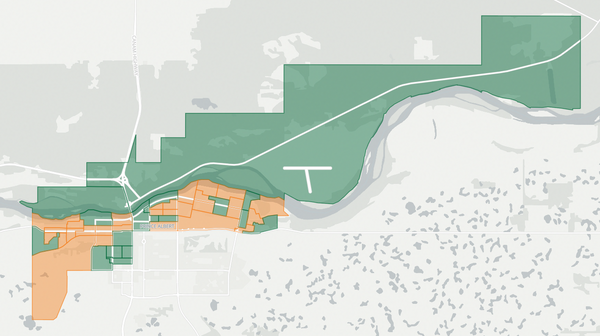
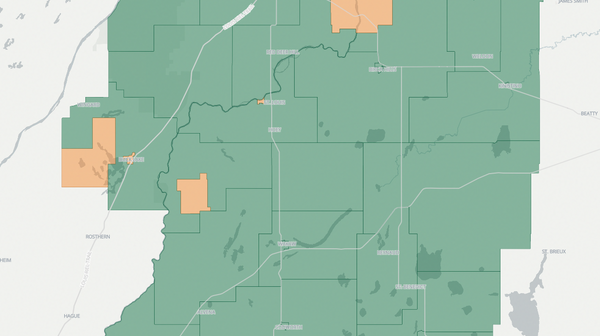
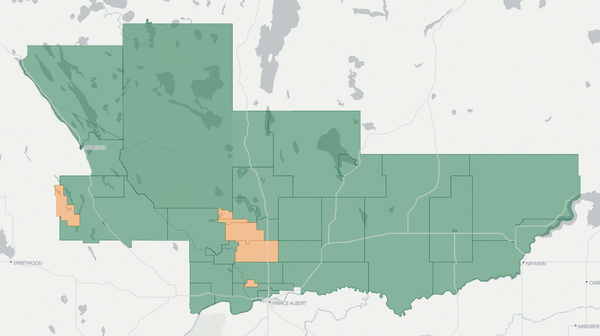
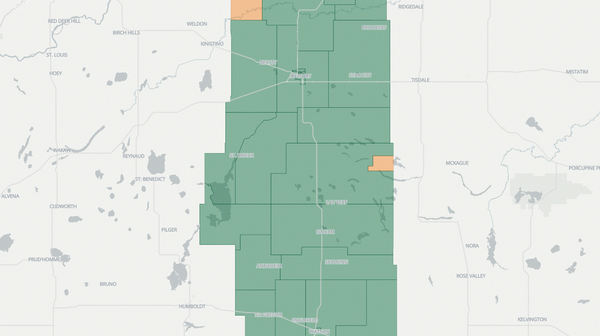
Prince Albert Carlton — 2020 Saskatchewan Provincial Election Results Map
Prince Albert Carlton — 2020 Election Results
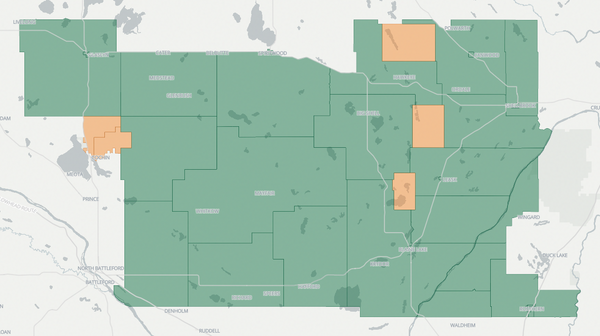
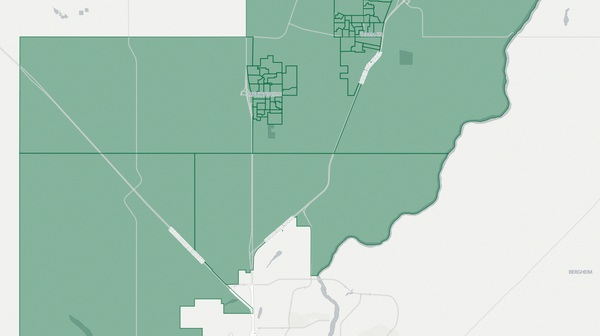
Poll-by-poll results for Prince Albert Carlton in the 2020 Saskatchewan election. The Saskatchewan Party candidate won this riding. Explore detailed voting data, candidate results, and turnout statistics at the poll level.
Riding information
Auto generated. Flag an issue.Prince Albert Carlton
Prince Albert Carlton covers the western and more suburban portions of the city of Prince Albert, Saskatchewan's third-largest city. Joe Hargrave of the Saskatchewan Party won the seat in 2016, succeeding retiring MLA Darryl Hickie, and served as a cabinet minister through the term. With healthcare and economic development as perennial concerns in the Prince Albert region, the 2020 contest would test whether the Saskatchewan Party's hold on this riding could withstand growing NDP momentum in the city.
The campaign in Prince Albert Carlton was shaped by two major announcements. In March 2020, the Saskatchewan government committed over $300 million to expand Victoria Hospital, including a new acute care tower, expanded emergency department, helipad, and MRI services, promising to increase bed capacity by 40 percent. Healthcare was the dominant campaign issue when both party leaders visited Prince Albert during the election. The NDP countered with its own pledge to build a mental health emergency room in the city.
Candidates
Joe Hargrave (Saskatchewan Party) — Hargrave was raised near Porcupine Plain and lived and worked in Prince Albert for many years. Before entering politics, he was the owner and operator of the Riverside Auto Group and spent two decades as a manager with BMO. He was appointed to cabinet in 2016 as Minister of Crown Investments Corporation, Minister Responsible for Saskatchewan Government Insurance, and Minister Responsible for Saskatchewan Transportation Company.
Troy Parenteau (NDP) — Parenteau is a teacher born and raised in Prince Albert who works with children in mental health and addictions treatment centres. He won the NDP nomination over certified mediator Harmony Johnson-Harder and campaigned on increased investment in healthcare and education, and a Saskatchewan-first procurement policy for public infrastructure projects.
Renee Grasby (Progressive Conservative) — Grasby is an insurance adviser who was born in Moose Jaw and raised in Prince Albert, returning to the city in 2008 to raise her four children. She emphasized protecting Saskatchewan jobs as a key platform plank for the re-emerging Progressive Conservative Party.
Shirley Davis (Green Party) received less than 2 percent of the vote.
Local Issues
Healthcare dominated the Prince Albert political landscape during the 2016-2020 term. Victoria Hospital, the city's primary care facility, had long been identified as aging and overcrowded. The Saskatchewan government's March 2020 announcement of a $300 million expansion project was a centrepiece of the Saskatchewan Party's pitch to Prince Albert voters, though the NDP argued the commitment came only after years of neglect and underfunding of the health system. The NDP's Ryan Meili also promised a dedicated mental health emergency room for the city, along with a proposed new bridge.
Methamphetamine use emerged as a growing crisis in Prince Albert during this period. By 2019, police had conducted 76 drug investigations in the first eight months of the year, with nearly two-thirds resulting in methamphetamine seizures. Emergency rooms reported seeing multiple overdose patients per weekend, and the surge in drug use put added pressure on both policing and health services. Prince Albert was named one of Canada's most dangerous cities in a 2019 ranking, fuelling calls for greater investment in addictions treatment and mental health services.
The closure of the Saskatchewan Transportation Company in 2017 also affected Prince Albert, which had been a hub for bus routes connecting northern communities to the south. The loss of intercity bus service left many residents, particularly seniors and low-income individuals, without reliable transportation options.