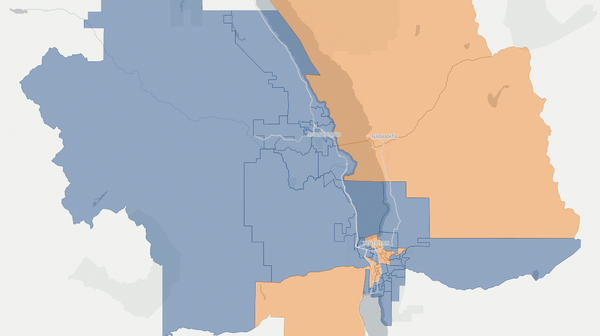
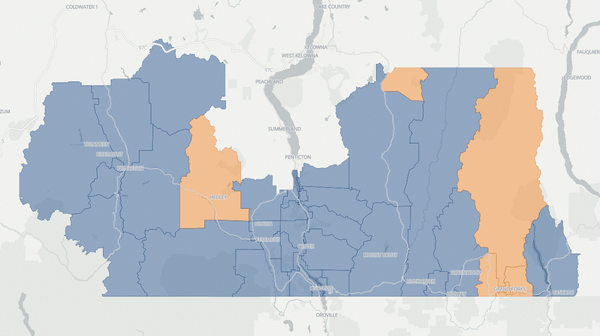
Kelowna-Lake Country-Coldstream — 2024 British Columbia Provincial Election Results Map
Kelowna-Lake Country-Coldstream — 2024 Election Results
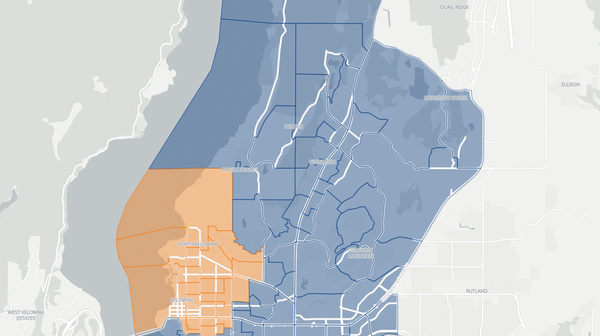
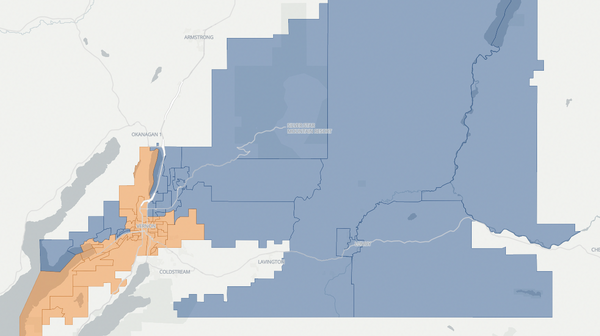
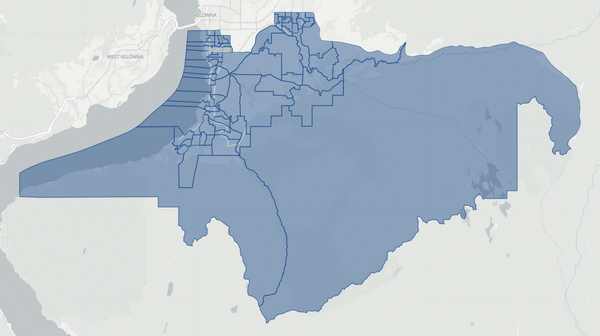
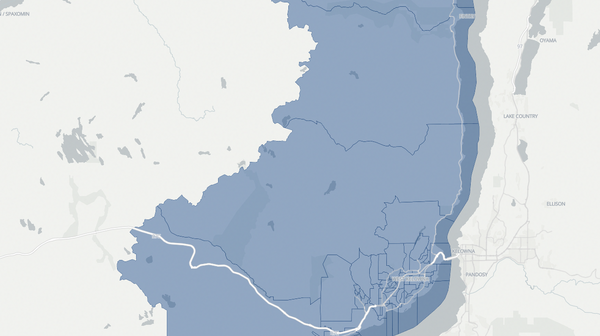
Poll-by-poll results for Kelowna-Lake Country-Coldstream in the 2024 British Columbia election. The Conservative Party candidate won this riding. Explore detailed voting data, candidate results, and turnout statistics at the poll level.
Riding information
Auto generated. Flag an issue.Kelowna—Lake Country—Coldstream
Kelowna—Lake Country—Coldstream stretches from the eastern neighbourhoods of Kelowna through the orchards and vineyards of the District of Lake Country northward to the municipality of Coldstream and the shores of Kalamalka Lake. The addition of Coldstream to the riding in 2024—previously part of the Vernon-Monashee constituency—expanded its geography to include the pastoral communities around Lavington and the eastern shore of Kalamalka Lake Provincial Park. The corridor's economy blends agriculture, the university sector anchored by UBC Okanagan, tourism, and the service industries supporting one of the fastest-growing regions in the BC Interior.
Candidates
Tara Armstrong (Conservative Party) — Armstrong was a business professional who had worked as company president for an established Canadian franchise corporation focused on services for senior citizens and people with disabilities. In 2018, she co-pitched the business on CBC's Dragons' Den and received offers from three of the Dragons.
Anna Warwick Sears (BC NDP) — Warwick Sears held a PhD in population biology from the University of California—Davis and had served as executive director of the Okanagan Basin Water Board since 2007, a local government partnership for water sustainability. Her work encompassed government relations, water science partnerships, and climate adaptation funding. She cited the region's recent wildfire and smoke seasons as motivating her to run.
Kevin Kraft (Independent) received a notable share of the vote.
Andrew Rose (BC Green Party) also contested the riding.
Local Issues
Water security and drought preparedness had become increasingly urgent in a riding where orchards, vineyards, and irrigated agriculture depended on the Okanagan's limited water resources. The 2024 season began with snowpack levels at just 73 per cent of the Okanagan average—while province-wide levels were the lowest since 1970—and drought conditions prompted concern about water supplies. The Okanagan Basin Water Board warned that the combination of population growth, declining snowpack, and hotter summers was placing unsustainable pressure on water supplies essential for both agriculture and residential use. The North Aberdeen Plateau, a critical water source for roughly 18,000 people in Lake Country and 71,000 in Vernon and Coldstream, was the focus of a wildfire-prevention fuel-break project designed to protect the forested watershed from the kind of catastrophic fire that had struck the region in 2023.
The McDougall Creek wildfire of August 2023 had directly affected parts of the riding, with homes destroyed in the District of Lake Country and thousands of residents placed under evacuation orders or alerts. The fire's devastation—more than 190 structures destroyed or damaged across the Central Okanagan—underscored the vulnerability of communities expanding into the urban-wildland interface. Recovery efforts were ongoing at the time of the election, and the experience hardened public demand for more aggressive fuel management, building code reforms for fire-prone areas, and provincial investment in emergency preparedness.
Housing affordability and health care access were persistent concerns in a corridor experiencing rapid population growth. Lake Country remained among the fastest-growing municipalities in the province, with its proximity to UBC Okanagan, the Kelowna airport, and the Highway 97 corridor drawing young families and remote workers. The resulting pressure on rental availability, school capacity, and primary care infrastructure shaped a campaign in which managed growth—balancing development with the protection of the agricultural and lakefront character that defined the riding—was a central question.