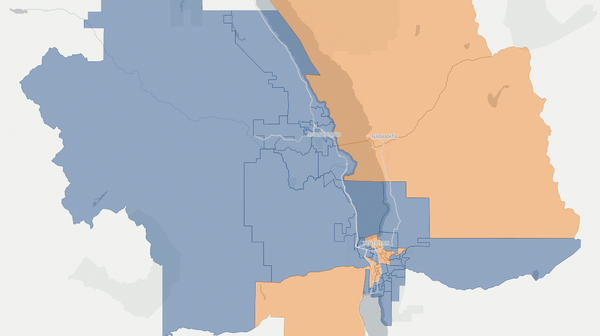
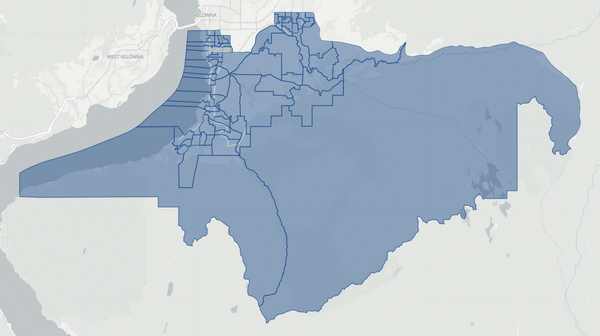
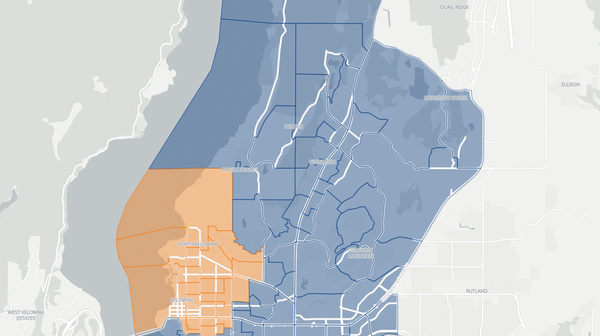
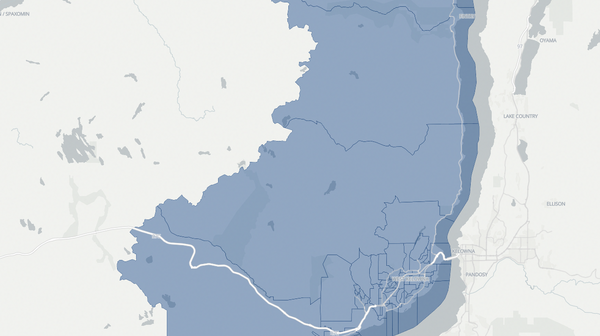
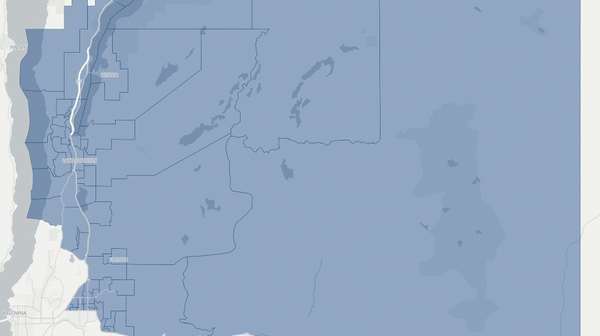
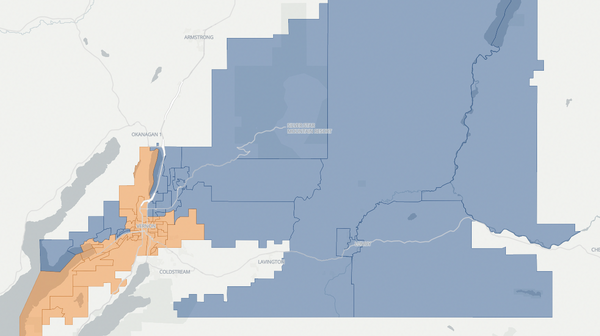
Boundary-Similkameen — 2024 British Columbia Provincial Election Results Map
Boundary-Similkameen — 2024 Election Results
Poll-by-poll results for Boundary-Similkameen in the 2024 British Columbia election. The Conservative Party candidate won this riding. Explore detailed voting data, candidate results, and turnout statistics at the poll level.
Riding information
Auto generated. Flag an issue.Boundary-Similkameen
Boundary-Similkameen stretches across a vast swath of southern British Columbia's interior, from the wine-producing benchlands of Oliver and Osoyoos in the South Okanagan through the ranching and orchard communities of the Similkameen Valley — Keremeos, Cawston, and Princeton — to the Boundary region centred on Grand Forks and the historic mining town of Greenwood. The riding's economy rests on viticulture, agriculture, forestry, tourism, and small-scale mining, with more than forty wineries in the Oliver-Osoyoos corridor and orchards producing stone fruits and apples across the valley benchlands. The landscape is defined by deep valleys, arid grasslands, and mountain passes that connect scattered communities separated by considerable distances.
The NDP's Roly Russell won this seat in 2020, flipping it from the BC Liberals for the first time since 2013. Redistribution redrew the boundaries modestly for 2024, but the riding's geography and political character remained largely intact. The contest pitted the incumbent against a Conservative challenger in a riding where resource-sector anxiety, natural disaster recovery, and rural healthcare access shaped the political landscape.
Candidates
Donegal Wilson (Conservative Party) — Wilson was born in Summerland and raised on a cattle ranch in the Otter Valley near Tulameen. She graduated from Princeton Secondary School and later moved to Smithers for fifteen years before returning to the Similkameen Valley, settling in Keremeos where she and her husband own and operate Direct Performance, a small engine business. She served as a long-time advocate for outdoor recreation, sitting on ministerial committees and helping develop the Off-Road Vehicle Act over twelve years of stakeholder work with government.
Roly Russell (BC NDP) — Russell was the incumbent MLA, first elected in 2020 after growing up in rural Grand Forks. He earned a PhD in ecology from UBC, with additional studies at the University of Melbourne, Oregon State University on a Fulbright Scholarship, and Columbia University's Earth Institute. Prior to entering the legislature, he represented Electoral Area D on the Regional District of Kootenay Boundary board and established the Sandhill Institute for Complexity and Sustainability in his hometown.
Kevin Eastwood (BC Green Party) — Eastwood settled in Christina Lake approximately a year before the election. He had previously run for the Greens in Abbotsford-area ridings and identified climate change and cost of living as the riding's most pressing concerns.
Sean Taylor ran as an Independent, receiving a minor share of the vote.
Local Issues
The November 2021 atmospheric river flooding devastated Princeton, where the rain-swollen Tulameen River tore through the town of roughly 3,000 people, badly damaging 295 residences. A boil water notice went into effect after floodwaters contaminated the town's drinking water system, and the notice remained in place for an extended period. Princeton's mayor requested nearly $22 million for dike construction, erosion protection, and infrastructure upgrades to prepare for future floods. By the time of the 2024 election, community leaders in both Princeton and the broader riding expressed frustration that federal recovery funding had been denied or delayed, leaving smaller communities to absorb costs that dwarfed their municipal budgets.
Grand Forks, still recovering from its catastrophic 2018 Kettle River flooding, faced renewed flood anxiety in May 2023 when heavy rain and rapid snowmelt forced the evacuation of 40 properties. The Kettle and Granby rivers running through Grand Forks peaked dangerously before water levels subsided. The experience reinforced the community's awareness that the flood mitigation infrastructure built after 2018 — including dikes and a neighbourhood buyout program — remained incomplete. Residents pressed candidates on whether the province would sustain funding for long-term flood protection in a region increasingly vulnerable to extreme weather.
Wildfire preparedness remained a persistent concern across the riding. The 2023 fire season was British Columbia's most destructive on record, burning nearly 25,000 square kilometres province-wide. Evacuation orders and alerts were issued in the Similkameen and Boundary regions during the summer of 2021 and again in 2023, and the NDP government's investments in community wildfire protection and fuel management were scrutinized by residents who lived surrounded by fire-prone forest.
The wine and agriculture industries faced mounting pressures from water scarcity, shifting growing conditions, and labour availability. The Oliver-Osoyoos corridor's more than forty wineries depended on irrigation infrastructure that was strained by hotter, drier summers, and orchardists across the Similkameen Valley reported increasing difficulty securing seasonal workers. Healthcare access remained a critical gap in a riding where the nearest hospital might be forty minutes or more away by car, and recruitment of family physicians to small rural centres continued to lag behind provincial targets.