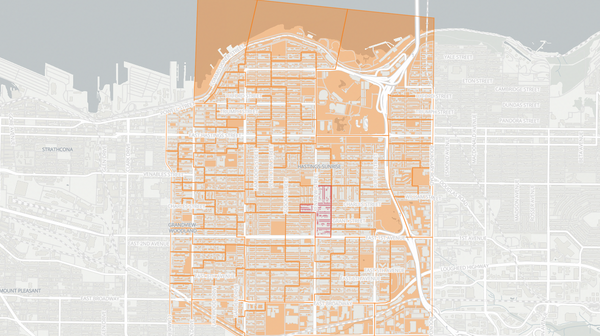
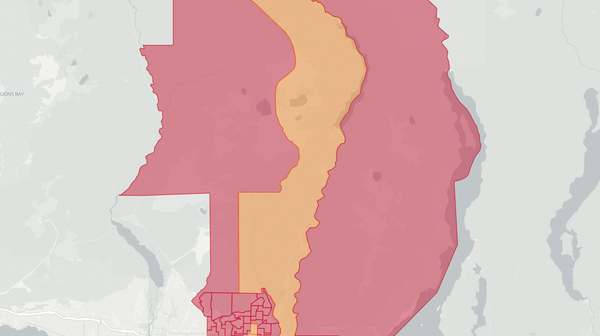
West Vancouver-Capilano — 2017 British Columbia Provincial Election Results Map
West Vancouver-Capilano — 2017 Election Results
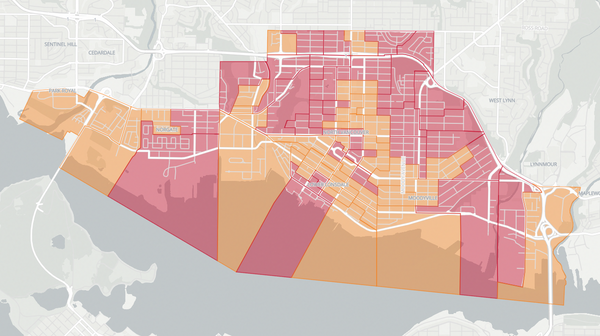
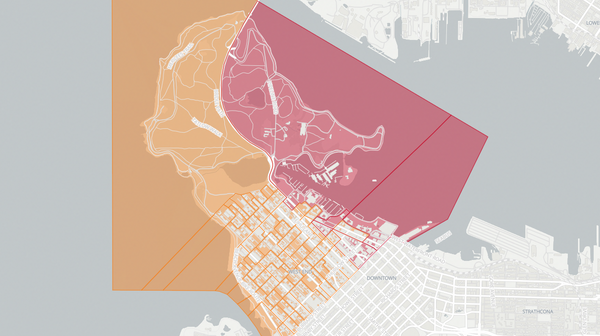
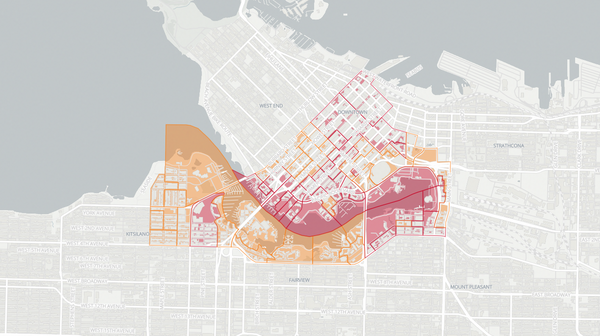
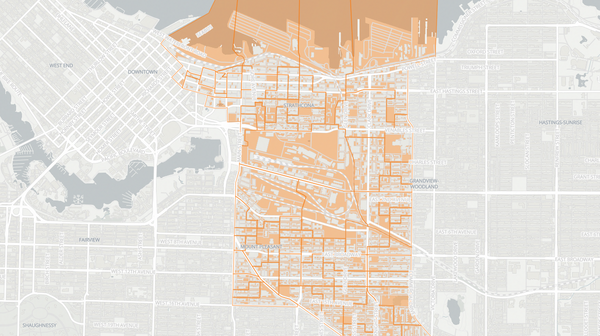
Poll-by-poll results for West Vancouver-Capilano in the 2017 British Columbia election. The BC Liberal Party candidate won this riding. Explore detailed voting data, candidate results, and turnout statistics at the poll level.
Riding information
Auto generated. Flag an issue.West Vancouver-Capilano
West Vancouver-Capilano is one of the most reliably conservative ridings in British Columbia, encompassing the affluent communities of West Vancouver east of Cypress Creek, the British Properties, and parts of the District of North Vancouver including the Capilano area. The riding had been represented by BC Liberal MLA Ralph Sultan since 2001, and the party had won the seat by substantial margins in every election since the riding's creation. With average household incomes well above the provincial average and some of the highest property values in the country, the riding's demographics have historically favoured centre-right candidates.
Candidates
Ralph Sultan (BC Liberal Party) — Sultan held a Bachelor of Applied Science in engineering from UBC and MBA, MA, and Ph.D. degrees in economics from Harvard University. His career spanned academia, finance, and the resource sector: he served as a faculty member at Harvard Business School for nine years, rising from assistant to associate professor, then as chief economist and later senior vice-president at the Royal Bank of Canada, followed by executive roles in the mining and energy industries. First elected in 2001, he entered the 2017 race at age 83, making him the oldest person ever elected in British Columbia's history.
Mehdi Russel (BC NDP) — Russel held an MD, an MBA, and a Ph.D., and worked as a pharmaceutical consultant. Born in Iran, he and his family immigrated to Canada in 2008 and settled in West Vancouver.
Michael Markwick (BC Green Party) — Markwick was a faculty member in the School of Communication at Capilano University and also taught at Simon Fraser University. He earned his doctorate with distinction from SFU for his examination of the impact of the war on terror on democratic communication and pluralism. He served as president of the BC Freedom of Information and Privacy Association.
Local Issues
Transportation congestion on the North Shore was a significant concern for residents of West Vancouver-Capilano. The Lions Gate Bridge and the Upper Levels Highway served as the primary commuter routes connecting West Vancouver to downtown, and traffic growth from the Sea-to-Sky corridor and the Horseshoe Bay ferry terminal added to the bottleneck. Residents debated whether new development should be permitted without corresponding improvements to transit infrastructure, with many arguing that densification without rapid transit would make congestion intolerable.
Housing policy in West Vancouver presented a paradox: while the community was one of the most expensive places to live in the province, local resistance to densification and new housing forms remained strong. The question of whether West Vancouver should permit more townhouses and apartments to accommodate a changing demographic—including aging residents seeking to downsize and workers in local businesses who could not afford to live in the community—was a point of friction between municipal and provincial planning goals.
Healthcare for the riding's aging population was another priority. West Vancouver had one of the highest median ages of any community in the province, and residents called for improved access to geriatric care, home support services, and long-term care beds. The Lions Gate Hospital, which serves the North Shore, faced capacity pressures that residents argued required greater provincial investment.