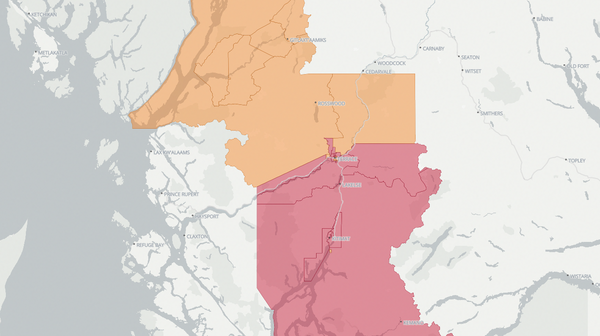
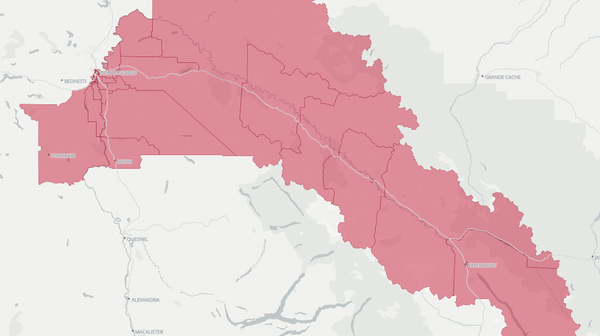
Peace River North — 2017 British Columbia Provincial Election Results Map
Peace River North — 2017 Election Results
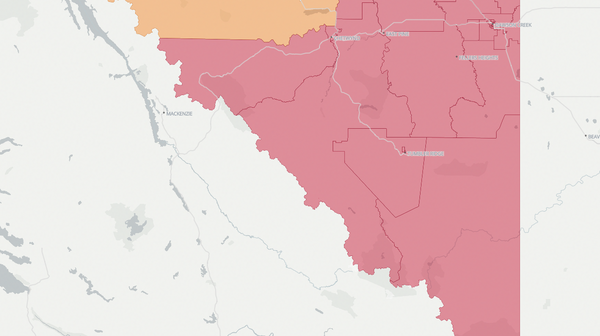
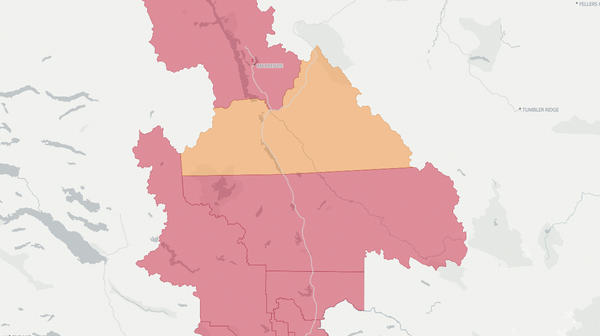
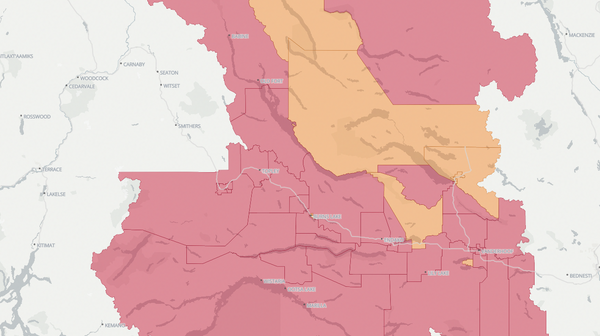
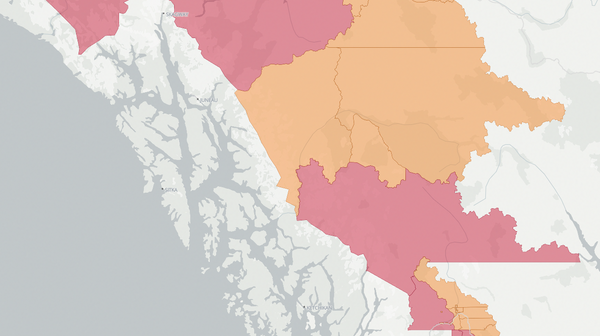
Poll-by-poll results for Peace River North in the 2017 British Columbia election. The BC Liberal Party candidate won this riding. Explore detailed voting data, candidate results, and turnout statistics at the poll level.
Riding information
Auto generated. Flag an issue.Peace River North
Peace River North, centred on Fort St. John in the province's northeast corner, was one of the most reliably right-leaning ridings in British Columbia. The BC Liberals and their Social Credit predecessors had held the seat for decades. The previous MLA, Pat Pimm, had represented the riding since 2009 but did not seek re-election in 2017, opening the contest. The riding's economy was heavily dependent on the oil and gas industry, and after years of commodity-fuelled growth, a global downturn in energy prices had left unemployment above ten percent and many drilling rigs sitting idle. The region's political culture often had more in common with neighbouring Alberta than with the rest of British Columbia.
The contest was notable for the number of independent candidates, three of whom were well-known local figures, reflecting a strain of political independence characteristic of the Peace region.
Candidates
Dan Davies (BC Liberal Party) — Davies was a Fort St. John city councillor who had served on council for twelve years. He held a Master of Arts in Leadership from Gonzaga University and a Bachelor of Education from Simon Fraser University. He worked as an elementary school teacher with School District 60 and was also active in the Canadian Armed Forces Cadet Instructors Cadre. He was involved in numerous community organizations, including the North Peace Justice Society and the Royal Canadian Legion.
Bob Fedderly (Independent) — Fedderly was the owner of Fedderly Transportation, a Fort St. John transportation company, who ran as an independent to focus on local issues rather than party politics. He was a vocal critic of the Site C dam project, calling its economics unsound.
Rob Dempsey (BC NDP) — Dempsey was a secondary school teacher at North Peace Secondary School in Fort St. John, where he taught history, social studies, and law. He was a former Canadian Armed Forces Reserve officer who had also worked as a corrections officer before entering education. He was in his tenth year of teaching at the time of the election.
Rob Fraser (Independent) — Fraser was the Mayor of Taylor, a small community south of Fort St. John. He had been first elected to Taylor district council in 1994 and served over a dozen years on council before being elected mayor in 2014. He described himself as a right-wing independent focused on local governance issues.
Jeff Richert (Independent) — Richert was a biologist and environmental consultant who ran on a platform emphasizing Alaska Highway upgrades and the development of geothermal energy pilot projects near Fort St. John, Hudson's Hope, and Fort Nelson.
Local Issues
The Site C dam, under construction on the Peace River, was the most divisive local issue. The hydroelectric project, originally budgeted at $8.8 billion, brought construction employment to the region but also raised concerns about the flooding of agricultural land in the Peace River valley and impacts on First Nations communities. The BC Liberals supported continuing the project, while the NDP provincially had pledged to refer the project to the BC Utilities Commission for an independent review if elected. Locally, opinion was split, with some residents welcoming the jobs and infrastructure spending while others questioned the project's long-term economics.
The downturn in oil and natural gas prices had dramatically slowed economic activity in the region. LNG development, which the BC Liberal government had promoted as a generational economic opportunity for northeastern BC, had not materialized as promised, leaving communities that had counted on the industry's growth facing uncertainty. Infrastructure needs, including the replacement of the Taylor Bridge and improvements to the Alaska Highway, remained persistent concerns for residents who relied on these corridors for commerce and daily life.