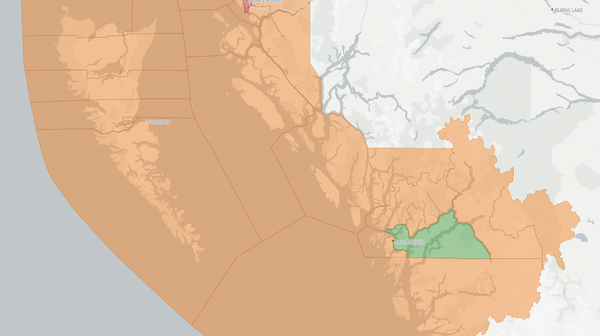
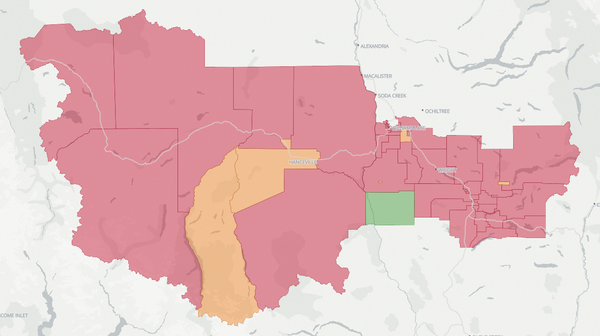
Nechako Lakes — 2017 British Columbia Provincial Election Results Map
Nechako Lakes — 2017 Election Results
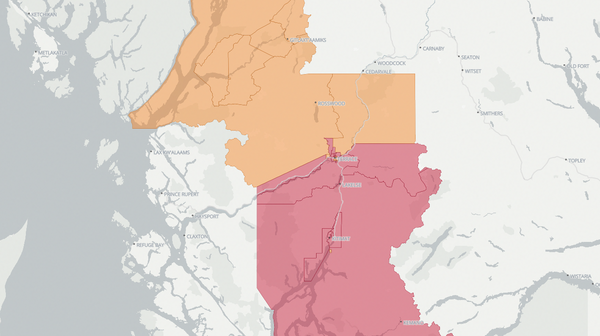
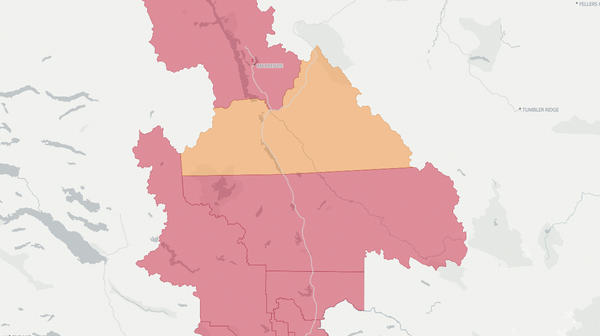
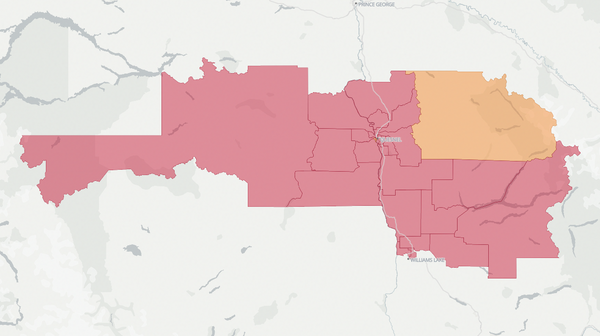
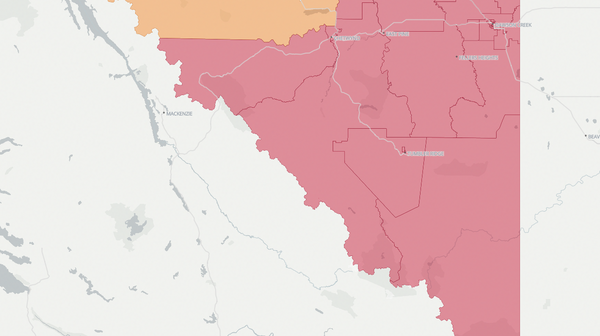
Poll-by-poll results for Nechako Lakes in the 2017 British Columbia election. The BC Liberal Party candidate won this riding. Explore detailed voting data, candidate results, and turnout statistics at the poll level.
Riding information
Auto generated. Flag an issue.Nechako Lakes
Nechako Lakes is one of the largest and most sparsely populated ridings in British Columbia, stretching across a territory more than twice the size of Vancouver Island in the province's central interior. The riding encompasses the communities of Vanderhoof, Fort St. James, Burns Lake, Houston, and Fraser Lake, none of which has a population exceeding 5,000. BC Liberal incumbent John Rustad had represented the region since first winning the predecessor Prince George—Omineca riding in 2005 and had won each of his three previous elections by comfortable margins. Entering the 2017 campaign, Rustad served as Minister of Aboriginal Relations and Reconciliation in Premier Christy Clark's cabinet.
The riding's economy is overwhelmingly resource-dependent, with forestry as the dominant industry. The mountain pine beetle epidemic, which had devastated vast tracts of interior pine forest from the late 1990s through the mid-2010s, had profound consequences for the riding's mill towns. The salvage logging boom that accompanied the beetle kill was winding down by 2017, raising serious questions about the long-term timber supply for the region's sawmills.
Candidates
John Rustad (BC Liberal Party) — Rustad was first elected in 2005 in the predecessor Prince George—Omineca riding and had served as Parliamentary Secretary for Forestry before being appointed Minister of Aboriginal Relations and Reconciliation in 2013. A long-time resident of the region, he was seeking a fourth term and was well established in the riding's small communities.
Anne Marie Sam (BC NDP) — Sam was a member of the Nak'azdli Whut'en First Nation who had raised her family in Fort St. James. She had served as a school trustee in the Nechako Lakes school district and as a councillor on the Nak'azdli band council. She was acclaimed as the BC NDP candidate at a nomination meeting in March 2017.
Douglas Norman Gook (BC Green Party) — Gook is a long-time resident of the region with a background in ecological commerce from the EcoForestry Institute. He is a director of the BC Environmental Network and works with First Nations communities to advance natural selection forestry practices.
Jon Rempel ran for the Libertarian Party, and Al Trampuh ran as an independent.
Local Issues
The future of the forestry sector dominated the political conversation in Nechako Lakes. The mountain pine beetle outbreak, which impacted over 18 million hectares of pine forest across B.C., had by 2017 largely subsided, but the consequences were only beginning to be felt. The salvage logging surge that saw prodigious volumes of dead and dying pine processed through local mills was tapering off, and communities faced the prospect of reduced timber supply for years to come. Mills in Vanderhoof, Houston, Burns Lake, and Fort St. James had been central to their communities' economic life, and their uncertain future was the single most pressing local issue.
First Nations reconciliation and economic development were closely intertwined issues in a riding where Indigenous communities make up a significant share of the population. Minister Rustad's portfolio in Aboriginal relations gave the issue particular local salience, and questions about how resource development projects would balance economic benefits with Indigenous rights and title were frequently raised during the campaign.
Infrastructure and services were perennial concerns in a riding where communities are separated by vast distances and harsh winters. Residents expressed frustration about the state of rural highways, limited health care services, and the challenge of attracting and retaining physicians and specialists in remote communities. The riding's geographic isolation amplified every infrastructure gap, from broadband internet access to emergency services response times.