Mid Island-Pacific Rim — 2017 British Columbia Provincial Election Results Map
Mid Island-Pacific Rim — 2017 Election Results
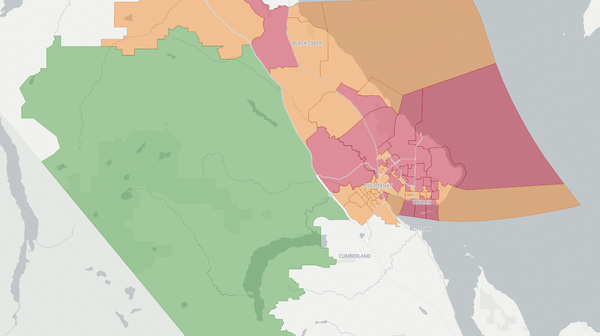
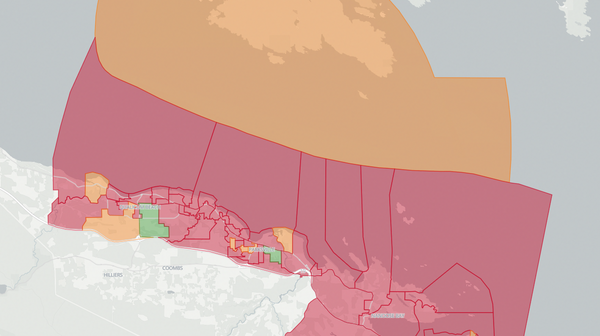
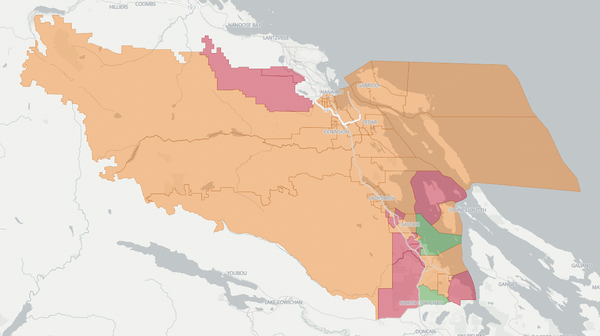
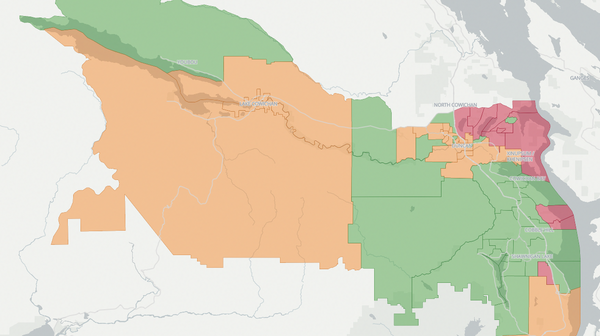
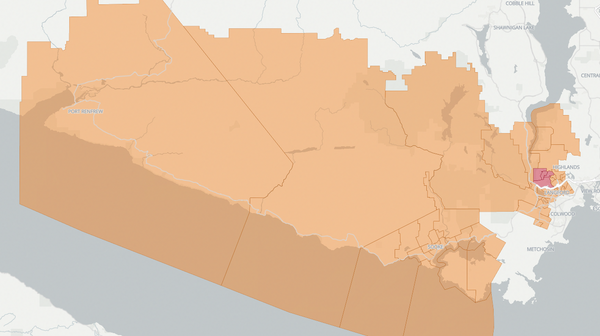
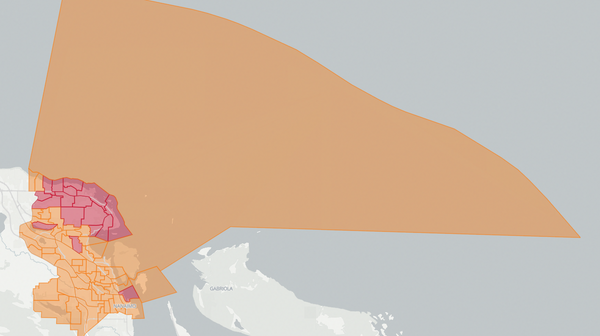
Poll-by-poll results for Mid Island-Pacific Rim in the 2017 British Columbia election. The BC NDP candidate won this riding. Explore detailed voting data, candidate results, and turnout statistics at the poll level.
Riding information
Auto generated. Flag an issue.Mid Island—Pacific Rim
Mid Island—Pacific Rim was a newly created riding for the 2017 election, carved out of the 2015 redistribution from parts of the former Alberni—Pacific Rim and Comox Valley ridings. The new boundaries added the communities of Cumberland, Royston, Union Bay, and Fanny Bay, along with Denman and Hornby Islands, bringing roughly 9,000 additional residents into the riding. NDP incumbent Scott Fraser, who had represented the predecessor Alberni—Pacific Rim riding since 2005, sought a fourth term in the legislature. Fraser had comfortably held the seat in 2013, defeating BC Liberal candidate Darren DeLuca by more than twenty percentage points.
The riding stretches across a vast and diverse swath of central Vancouver Island, from the resource-dependent city of Port Alberni through the tourist-oriented communities of Tofino and Ucluelet on the west coast, and east to the new additions along the Comox Valley's southern fringe. The area's economy blends forestry, fishing, tourism, and small-scale agriculture, giving it a mix of working-class and environmentally focused voters.
Candidates
Scott Fraser (BC NDP) — Fraser was first elected to the legislature in 2005, defeating one-term BC Liberal incumbent Gillian Trumper in the predecessor riding. Before entering politics, Fraser served as mayor of Tofino from 1996 to 1999 and operated a bed and breakfast in the community. He had spent twelve years in opposition by the time of the 2017 campaign.
Darren DeLuca (BC Liberal Party) — DeLuca was the owner of Vancouver Island Guide Outfitters, a big-game hunting outfitting company. He had also run as the BC Liberal candidate in the predecessor riding in 2013. During the 2017 campaign, DeLuca faced controversy after the Dogwood Initiative highlighted his ties to Safari Club International, an Arizona-based trophy hunting organization that had donated tens of thousands of dollars to support pro-hunting candidates in the BC election.
Alicia La Rue (BC Green Party) — La Rue was a former director of the Alberni Valley Chamber of Commerce and an environmental artist. She was nominated as the Green candidate in January 2017 and campaigned on affordable housing, education, and environmental protection.
Julian Fell (Conservative) — Fell represented the Coombs and Errington areas on the Regional District of Nanaimo board of directors. He campaigned on a platform of fiscal prudence and limited government regulation of business.
Robert Alexander Clarke ran for the Libertarian Party, and Dan Cebuliak represented BC Refederation.
Local Issues
Transportation infrastructure dominated local concerns in the riding. Highway 4, the sole road link connecting Tofino and Ucluelet to the rest of Vancouver Island, suffered a major washout in December 2016 that blocked both directions of traffic and required weeks of repair work. The fragility of this single access route had long frustrated west coast residents and businesses dependent on tourism, and calls for the Kennedy Hill safety improvements project intensified during the campaign period.
The riding's resource economy was in transition. The forestry sector, historically the backbone of Port Alberni's economy, continued to face uncertainty as global commodity markets fluctuated and the mountain pine beetle epidemic wound down across the B.C. interior. Meanwhile, the tourism economy in Tofino and Ucluelet was booming, creating a stark housing affordability crisis in those small communities where seasonal workers and long-term residents alike struggled to find rental accommodation.
Health care access was another concern across the riding's far-flung communities. Residents in smaller centres faced long travel times to reach specialist services, and the region's aging population placed increasing demands on local health infrastructure. The addition of Cumberland and the southern Comox Valley communities to the riding brought new constituents who shared concerns about wait times and the availability of family physicians.