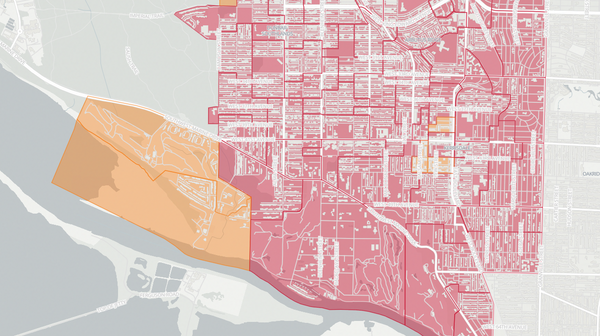
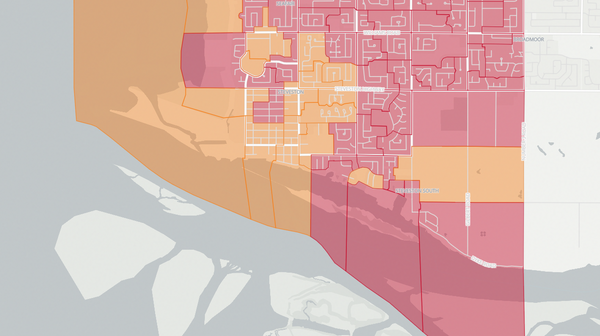
Nanaimo — 2017 British Columbia Provincial Election Results Map
Nanaimo — 2017 Election Results
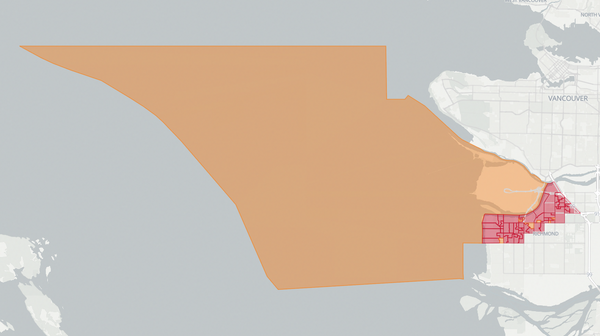
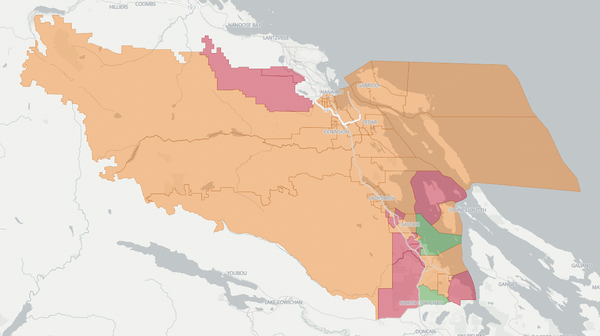
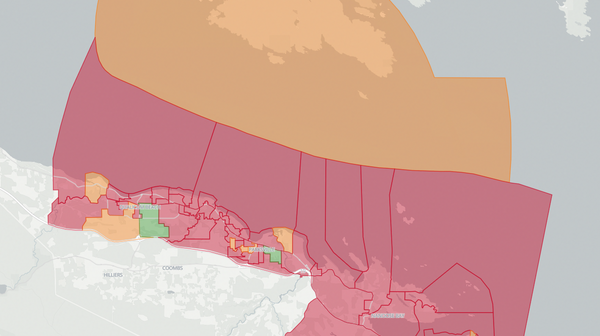
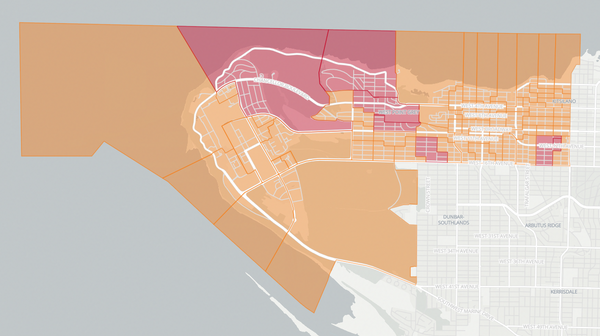
Poll-by-poll results for Nanaimo in the 2017 British Columbia election. The BC NDP candidate won this riding. Explore detailed voting data, candidate results, and turnout statistics at the poll level.
Riding information
Auto generated. Flag an issue.Nanaimo
Nanaimo had been a stronghold of the BC NDP for decades, and incumbent MLA Leonard Krog had represented the riding since 2005. In 2013, Krog won handily with roughly 46 per cent of the vote, well ahead of his BC Liberal challenger. Heading into 2017, the central question was not whether Krog would win, but by how much, and whether the surging BC Green Party could establish itself as a credible alternative in a city grappling with acute social challenges.
The city of Nanaimo, with a population of roughly 90,000 in the metro area, serves as the commercial hub of central Vancouver Island. Once defined by coal mining, the city had transitioned to a service and public-sector economy anchored by Vancouver Island University and the regional hospital, but a growing affordability crisis and a worsening opioid epidemic were reshaping the community's character heading into the 2017 vote.
Candidates
Leonard Krog (BC NDP) — Krog is a lawyer and Nanaimo native who first entered the legislature representing Parksville—Qualicum in the 1991 election. After losing that seat in 1996, he returned to the legislature in 2005 as the MLA for Nanaimo. By 2017, he served as the NDP's opposition critic for the Attorney General and was president of the Nanaimo City Bar Association.
Paris Gaudet (BC Liberal Party) — Gaudet was a tech entrepreneur and the executive director of Innovation Island, a technology organization based in Nanaimo that supports startups and the local tech sector. The BC Liberals nominated her early, hoping her profile in the emerging tech economy could make the riding competitive.
Kathleen Harris (BC Green Party) — Harris is a registered nurse and instructor at the University of Victoria, where she taught courses in health and wellness promotion, preventative health, and sustainable community development. She was working on her doctoral degree in health promotion leadership at the time of the campaign.
Bill Walker ran for the Libertarian Party.
Local Issues
The intertwined crises of homelessness and opioid addiction were the dominant issues in the Nanaimo riding heading into 2017. British Columbia had declared a public health emergency over the opioid crisis in April 2016, and Nanaimo was among the hardest-hit communities on Vancouver Island. Overdose deaths were climbing sharply, and the city's downtown core was visibly affected by the concentration of social services and the lack of supportive housing.
Housing affordability had become an increasingly urgent concern. Property prices in Nanaimo rose by roughly 14 per cent in 2016, driven in part by purchasers relocating from the Lower Mainland. Rental vacancy rates hovered around two per cent, and low-income residents found themselves priced out of the market. The provincial government had been criticized for failing to implement a comprehensive poverty reduction plan, and all three major party candidates addressed the need for more affordable and supportive housing.
The state of public education was another point of contention. The BC Liberals' prolonged legal battle with the BC Teachers' Federation over class size and composition had lasted more than a decade, and in November 2016 the Supreme Court of Canada ruled in the teachers' favour. Nanaimo-area schools were among those affected by the resulting scramble to hire teachers and find classroom space to meet restored contract provisions, and voters wanted to know how parties would manage the transition.