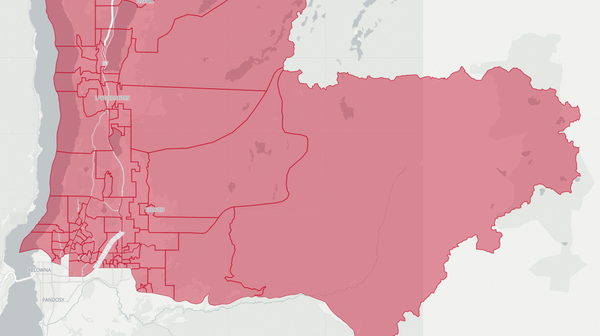
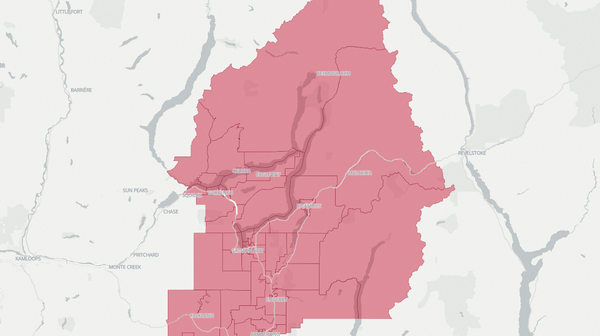
Kootenay East — 2017 British Columbia Provincial Election Results Map
Kootenay East — 2017 Election Results
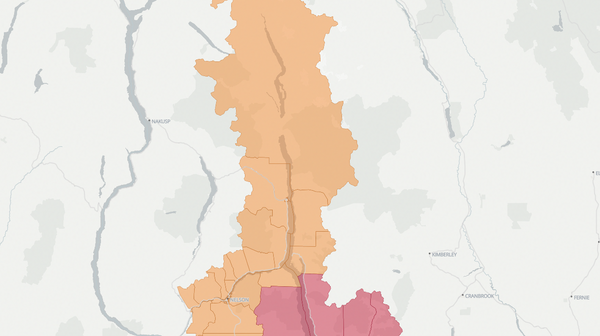
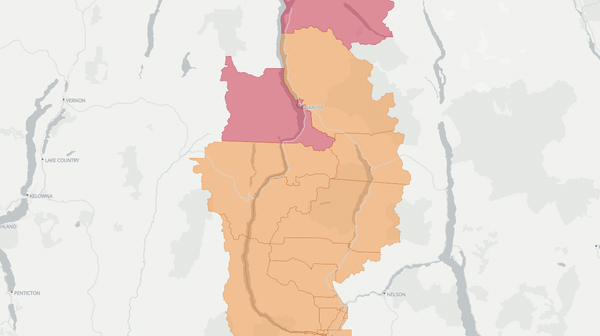
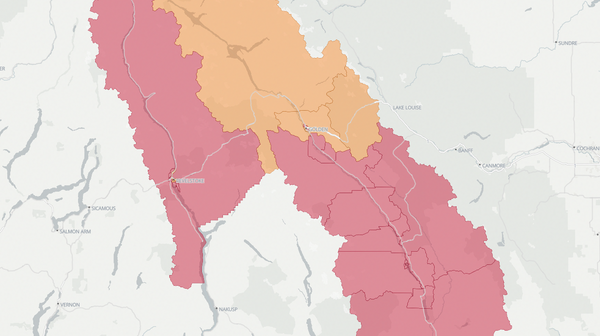
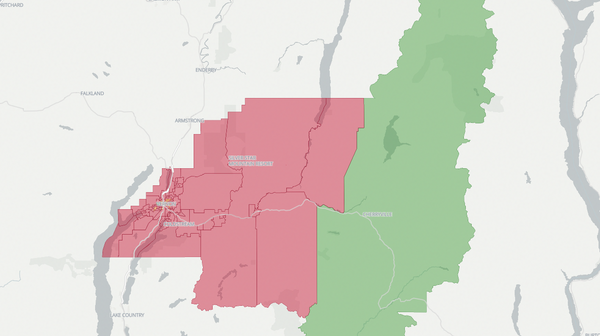
Poll-by-poll results for Kootenay East in the 2017 British Columbia election. The BC Liberal Party candidate won this riding. Explore detailed voting data, candidate results, and turnout statistics at the poll level.
Riding information
Auto generated. Flag an issue.Kootenay East
Kootenay East had been a BC Liberal stronghold for nearly two decades under Bill Bennett, who won the riding four consecutive times between 2001 and 2013. Bennett served as Minister of Energy and Mines and was one of the most recognizable political figures in the East Kootenay region. His decision not to seek re-election in 2017 created an open seat and introduced an element of uncertainty into what had been a reliably safe Liberal riding. The contest to replace him pitted a Cranbrook city councillor against a former Fernie mayor in a riding defined by its resource economy and vast geography.
The riding stretches across the southeastern corner of British Columbia, taking in the communities of Cranbrook, Kimberley, Fernie, Sparwood, and Elkford, along with the smaller communities of the Columbia and Elk Valleys. Cranbrook, with a population of roughly 20,000 in the 2016 census, serves as the regional service centre. The riding's economy is anchored by Teck Resources' metallurgical coal operations in the Elk Valley, which are a major employer in the region.
Candidates
Tom Glenn Shypitka (BC Liberal Party) — Shypitka was a Cranbrook city councillor, regional district director, and member of the local hospital board. Born and raised in Cranbrook, his family had lived in the community for five generations. Before entering politics, he worked in the hospitality industry and later became a financial advisor. He was also an accomplished competitive curler, having won three provincial championships and competed at the Brier.
Randal Macnair (BC NDP) — Macnair was a former two-term mayor of Fernie, serving from 2002 to 2008, and had spent fifteen years on Fernie city council, including six years as a director on the Regional District of East Kootenay. He was the owner and publisher of Oolichan Books, a respected independent press known for its poetry, fiction, and public policy publications. He received the unanimous endorsement of all four United Steelworkers local union presidents in the East Kootenay.
Yvonne Marie Prest (BC Green Party) — Prest was a high school French immersion teacher in the Elk Valley. She was motivated to enter the race after meeting BC Green leader Andrew Weaver and volunteered with CISV: Children International Summer Villages during her summers.
Keith D. Komar ran for the Libertarian Party, receiving under three percent of the vote.
Local Issues
The coal mining industry was the overriding economic and environmental concern in Kootenay East. Teck Resources operated four active metallurgical coal mines in the Elk Valley, and the region was the dominant source of British Columbia's coal production. These operations were a major employer and economic driver, but they also generated persistent selenium contamination in local waterways. Teck had been developing the Elk Valley Water Quality Plan since 2013 at the provincial government's request, but environmental groups and First Nations raised alarms about the pace of cleanup and the threat to fish populations, particularly westslope cutthroat trout.
Forestry, once a pillar of the East Kootenay economy, had declined in relative importance as the timber supply shifted and global commodity prices fluctuated. The transition away from forestry dependence was a source of anxiety in smaller communities, where mill closures had lasting economic effects.
Health care access was a concern in a riding that covers a large geographic area, requiring many residents to travel significant distances for specialist medical services. The adequacy of ambulance services and the availability of physicians in smaller communities were recurring campaign topics. Meanwhile, the opioid crisis, rising ICBC premiums, and housing affordability—issues that defined the province-wide debate—also resonated with East Kootenay voters.