Maskwacis-Wetaskiwin — 2019 Alberta Provincial Election Results Map
Maskwacis-Wetaskiwin — 2019 Election Results
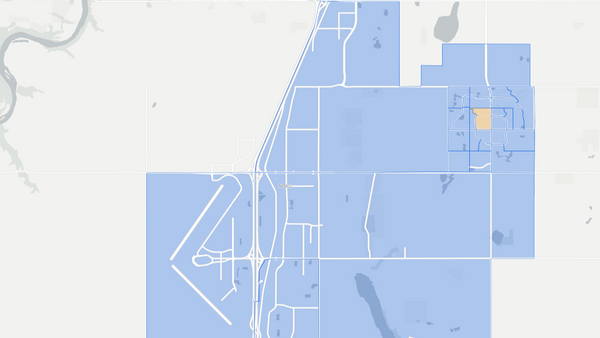
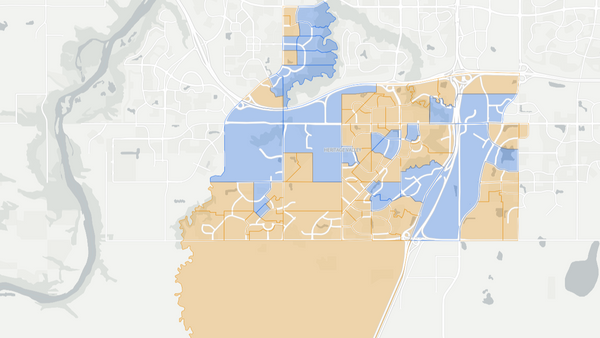
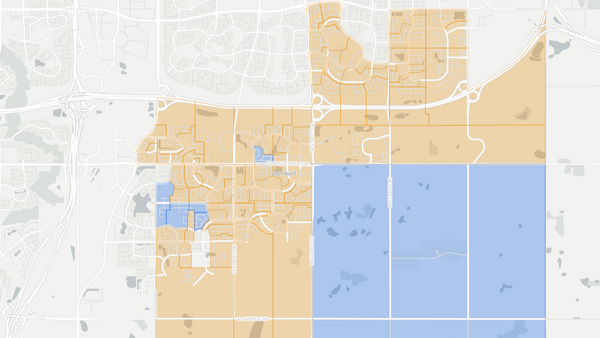
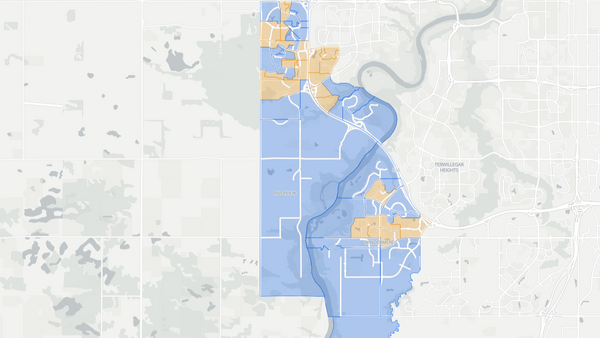
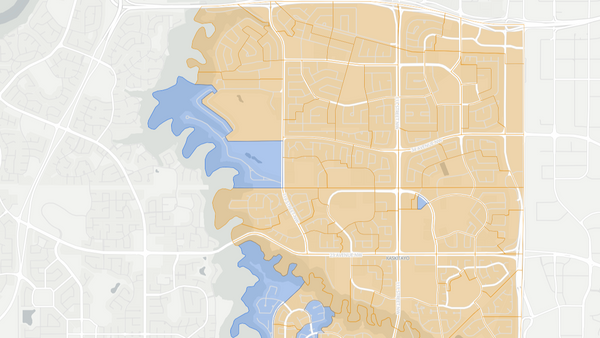
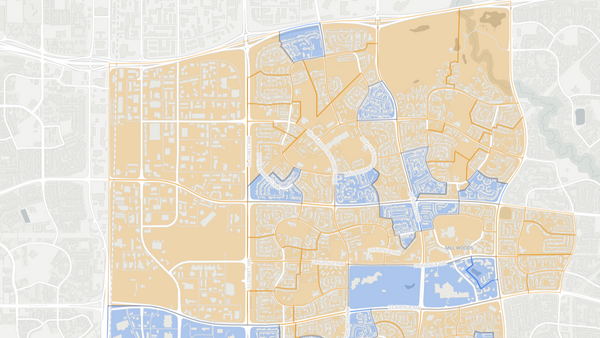
Poll-by-poll results for Maskwacis-Wetaskiwin in the 2019 Alberta election. The United Conservative candidate won this riding. Explore detailed voting data, candidate results, and turnout statistics at the poll level.
Riding information
Auto generated. Flag an issue.Maskwacis—Wetaskiwin
Maskwacis—Wetaskiwin is a central Alberta riding created through the 2017 boundary redistribution, drawn from parts of the former Wetaskiwin-Camrose, Battle River–Wainwright, Leduc-Beaumont, and Drayton Valley–Devon constituencies. The riding includes the city of Wetaskiwin, the hamlet of Maskwacis — home to the four Cree nations of Ermineskin, Samson, Louis Bull, and Montana — and surrounding communities including Millet, Bittern Lake, Hay Lakes, and the summer villages around Pigeon Lake. The NDP's Bruce Hinkley, who had represented the former Wetaskiwin-Camrose riding since 2015, sought re-election in this reconfigured constituency.
Candidates
Rick Wilson (United Conservative) — A lifelong farmer and rancher whose family had operated their ranch near Wetaskiwin for over a century. Wilson had served 15 years as a county councillor with the County of Wetaskiwin, seven years as chairman of the Crossroads Regional Health Authority, six years on the Western Canadian Agriculture Debt Review Board, and five years as a school board trustee with Wetaskiwin Regional Public Schools. He also owned and operated multiple businesses in construction and ranching.
Bruce Hinkley (NDP) — The incumbent MLA, a retired school principal who had been involved with the NDP since the late 1980s. Hinkley first ran provincially in 1989 and ran for the NDP leadership in 1994. He was elected in 2015 in Wetaskiwin-Camrose, defeating two-term Progressive Conservative MLA and Agriculture Minister Verlyn Olson.
Sherry Greene (Alberta Party) — The Alberta Party's candidate in the new Maskwacis—Wetaskiwin riding.
Local Issues
Crime was a dominant concern in the Maskwacis—Wetaskiwin riding heading into 2019. A Maclean's magazine analysis ranked Wetaskiwin among the most dangerous cities in Canada based on its Crime Severity Index, with property crime and motor vehicle theft particularly elevated. Rural residents throughout the riding expressed frustration with what they described as inadequate RCMP response times and a revolving door in the justice system. The rural crime issue resonated strongly across central Alberta and became a significant campaign theme.
The Maskwacis community — formerly known as Hobbema — faced its own set of challenges during this period. The four Cree nations were working to diversify their economies beyond oil and gas revenues, with initiatives in education, early childhood development, and economic development. The community had attracted national attention for struggles with gang activity, and efforts such as the Hobbema Community Cadet Corps aimed to provide programming for at-risk youth. Relations between Indigenous and non-Indigenous communities in the riding were an important backdrop to the campaign.
The broader economic picture in the riding was shaped by the agricultural sector's concerns about the carbon tax, which added costs for farming operations, and the downturn in Alberta's energy sector, which affected service companies and employment throughout central Alberta. Wetaskiwin's role as a regional service centre meant that economic slowdowns rippled through local retail and healthcare services.