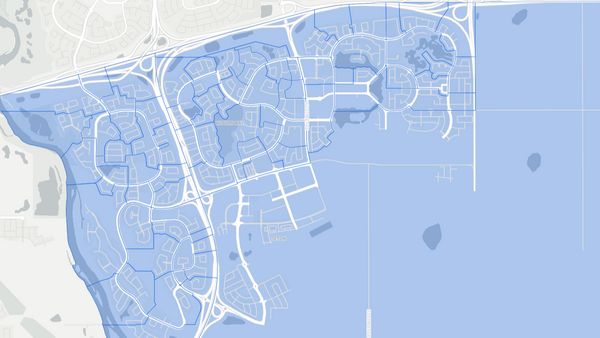
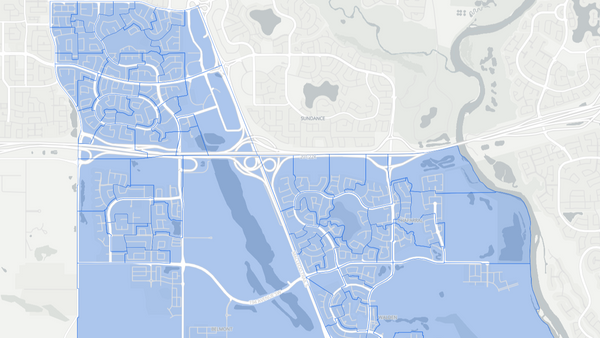
Livingstone-Macleod — 2019 Alberta Provincial Election Results Map
Livingstone-Macleod — 2019 Election Results
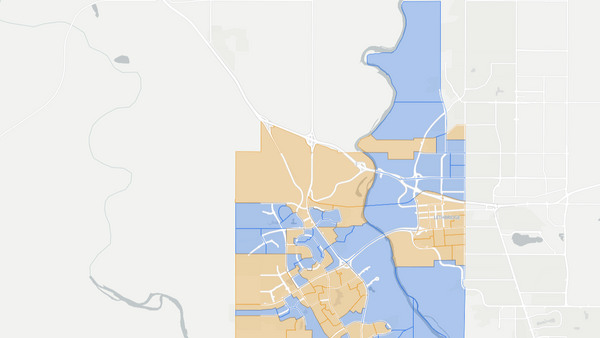
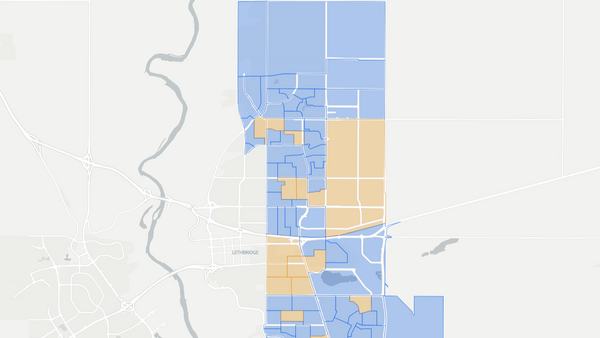
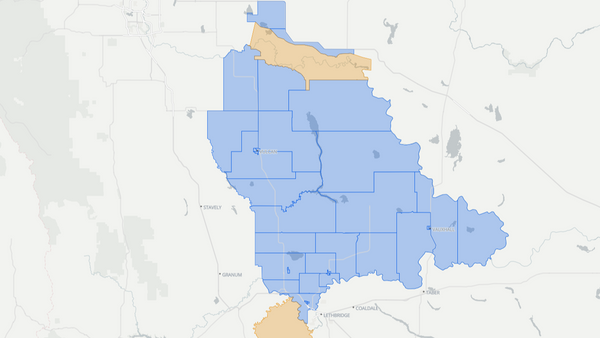
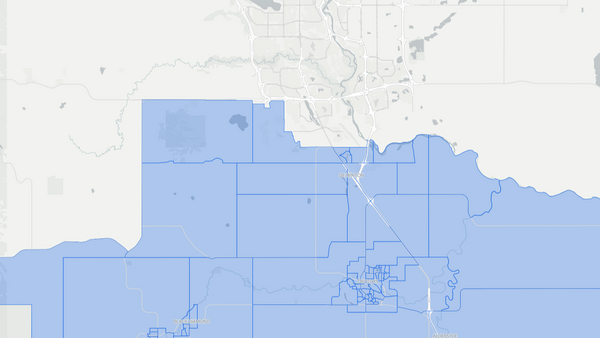
Poll-by-poll results for Livingstone-Macleod in the 2019 Alberta election. The United Conservative candidate won this riding. Explore detailed voting data, candidate results, and turnout statistics at the poll level.
Riding information
Auto generated. Flag an issue.Livingstone—Macleod
Livingstone—Macleod is a sprawling rural riding in southwestern Alberta stretching from the Rocky Mountain foothills to the prairies. The constituency takes in the communities of High River, Nanton, Claresholm, Fort Macleod, Pincher Creek, Black Diamond, Turner Valley, and the Crowsnest Pass, as well as the Piikani First Nation. The riding has been a conservative stronghold for decades, previously represented by Progressive Conservative and Wildrose MLAs. The 2015 NDP wave did not reach Livingstone—Macleod, and heading into 2019, the UCP was favoured to hold the seat.
Candidates
Roger Reid (United Conservative) — Born and raised in Claresholm, Reid co-owned Tim Hortons franchise locations in Claresholm and Nanton with his wife. He had operated multiple franchise businesses before entering politics. Reid won the UCP nomination in December 2018.
Cam Gardner (NDP) — A fourth-generation southern Alberta rancher who operated his family ranch near Nanton for over 30 years. Gardner was a graduate of Olds College and a longtime 4-H alumnus. He had served as a councillor for the Municipal District of Ranchland for 18 years and as reeve for the previous eight years, bringing extensive municipal governance experience to his candidacy.
Tim Meech (Alberta Party) — A journeyman tradesperson and oil and gas professional based in Fort Macleod. Originally from Okotoks, Meech had lived in the Fort Macleod area for about a dozen years and was involved in local service clubs and community volunteer work.
Local Issues
The creation of Castle Provincial Park and Castle Wildland Provincial Park by the NDP government in January 2017 was one of the most contentious local issues in Livingstone—Macleod. The government's decision to phase out off-highway vehicle use in the parks over three years provoked strong opposition from recreational users, ranchers, and outfitters in the region. A government study found over 2,000 kilometres of linear footprint and more than 1,600 stream crossings from OHV trails within the park boundaries. While conservationists praised the designation, many local residents felt the restrictions on motorized access were imposed without adequate consultation. The 2018 management plan partially walked back the OHV ban by permitting winter use, but the issue continued to generate frustration heading into the 2019 campaign.
Land-use planning in the broader Livingstone and Porcupine Hills area was also a major concern. The NDP government closed approximately 70 per cent of trails in the Livingstone—Porcupine Hills Public Land Use Zone, and in early 2019 formed a recreation advisory group to bring together First Nations, ranchers, recreationists, and other stakeholders. Ranchers in the foothills region worried about the cumulative impact of land-use restrictions on grazing leases and agricultural operations.
The carbon tax was a particularly acute issue in this riding, where the agricultural economy depends heavily on fuel for machinery, grain drying, and transportation. High River and the surrounding communities were still recovering from the devastating 2013 floods, and residents felt that additional costs from the carbon levy compounded the economic pressures facing rural southern Alberta.