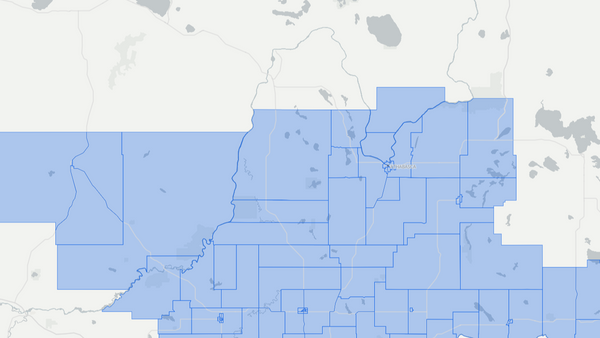
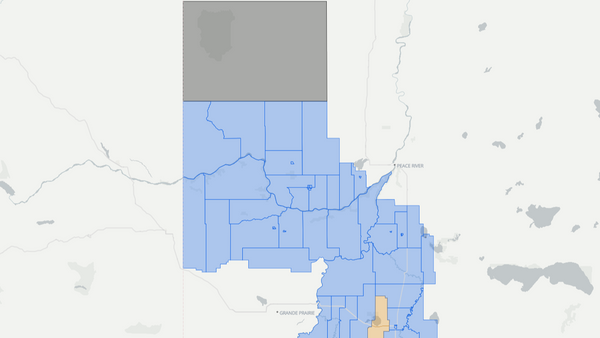
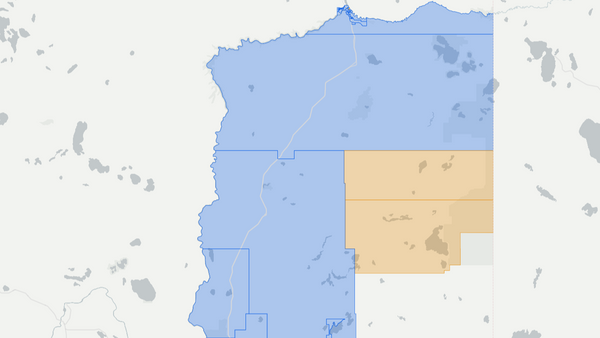
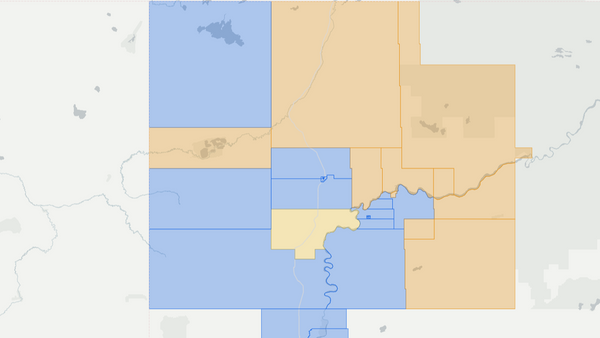
Lesser Slave Lake — 2019 Alberta Provincial Election Results Map
Lesser Slave Lake — 2019 Election Results
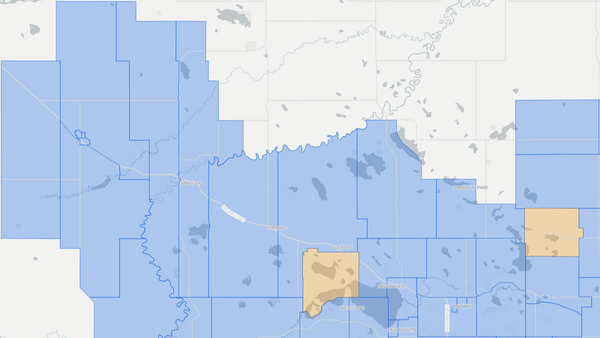
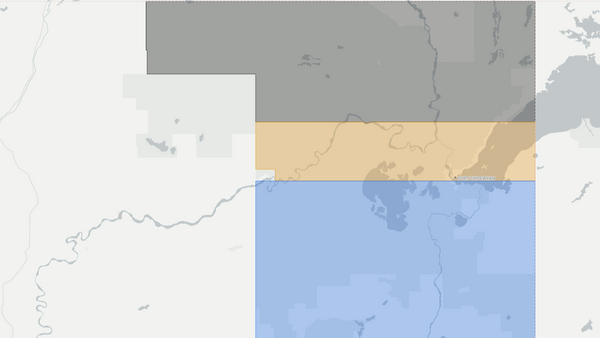
Poll-by-poll results for Lesser Slave Lake in the 2019 Alberta election. The United Conservative candidate won this riding. Explore detailed voting data, candidate results, and turnout statistics at the poll level.
Riding information
Auto generated. Flag an issue.Lesser Slave Lake
Lesser Slave Lake is a sprawling northern Alberta riding centred on the town of Slave Lake and extending across a vast territory that includes High Prairie, Wabasca, and numerous First Nation communities. Multiple First Nation bands are based in the riding, including the Bigstone Cree Nation, Driftpile First Nation, Sawridge First Nation, Swan River First Nation, and Whitefish Lake First Nation, among others. The economy rests on forestry, oil and gas exploration, and agriculture, with the Lesser Slave Lake itself supporting commercial fishing. NDP incumbent Danielle Larivee had won the riding in the 2015 wave, ending twenty-six years of Progressive Conservative representation under Pearl Calahasen.
Candidates
Pat Rehn (United Conservative) — A local businessman, Rehn was the UCP's candidate for Lesser Slave Lake. He had business interests in the region and positioned himself as better equipped to promote economic development and job creation in the riding.
Danielle Larivee (NDP) — A public health nurse who had lived in the Slave Lake area for over forty years, Larivee was elected in 2015 and appointed Minister of Municipal Affairs in October 2015 before being named Minister of the newly created Ministry of Children's Services in January 2017.
Vincent Rain (Alberta Party) — A health and safety auditor, construction safety officer, and Indigenous rights advocate, Rain had worked in various aspects of the oil and gas industry.
Suzette Powder (Alberta Independence) — The Alberta Independence Party's candidate in Lesser Slave Lake.
Local Issues
The legacy of the 2011 Slave Lake wildfire continued to shape the riding's politics. The fire destroyed roughly one-third of the town, displaced all 7,000 residents, and caused an estimated $700 million in insured damages. While physical rebuilding was largely complete by 2019, research showed that total incomes in the area had dropped an average of 9.5 percent in the seven years following the fire, with the decline concentrated in forestry, agriculture, and oil and gas employment. The experience of the wildfire made emergency preparedness and community resilience ongoing priorities.
Health care access was a critical concern across this geographically vast riding. Residents in smaller communities and on First Nation reserves often faced long travel times to reach medical services in Slave Lake or High Prairie. Recruitment and retention of physicians and nurses in the north was a persistent challenge, and the NDP government's investments in health care infrastructure were weighed against the reality that service gaps remained.
Forestry, one of the riding's economic pillars, was affected by softwood lumber trade tensions with the United States and by shifting market conditions. Major operators including Tolko Industries and West Fraser Mills maintained significant operations in the area, but uncertainty about future timber supply and trade policy concerned workers and communities dependent on the sector. The carbon tax added to operating costs for forestry and energy companies. Indigenous communities in the riding also pressed for improved infrastructure, including water treatment, housing, and road access to remote reserves.