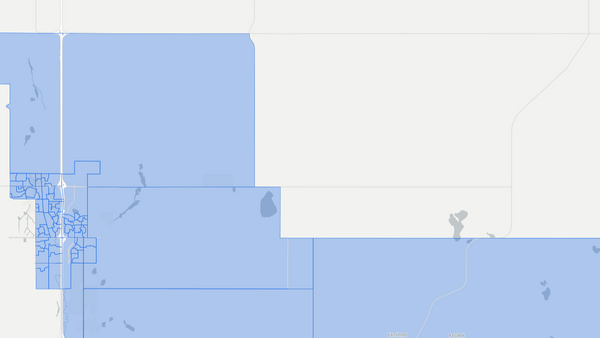
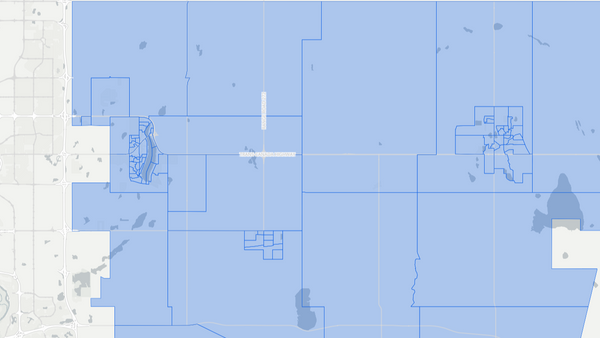
Drumheller-Stettler — 2019 Alberta Provincial Election Results Map
Drumheller-Stettler — 2019 Election Results
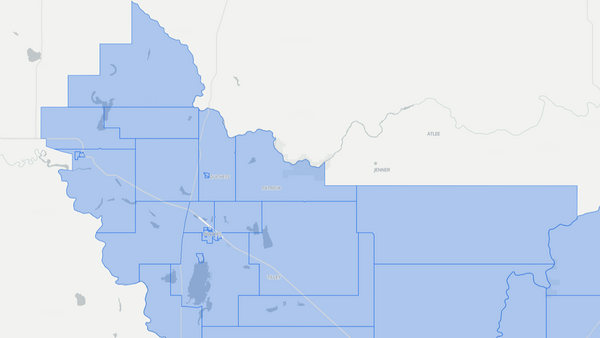
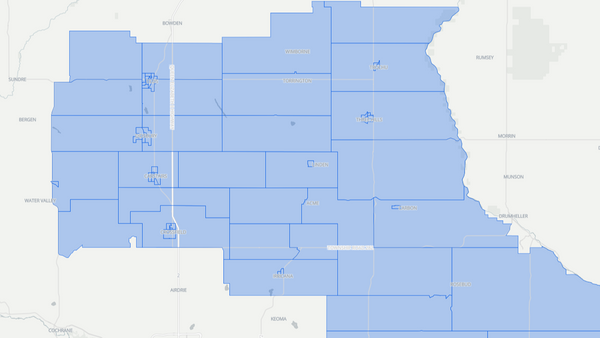
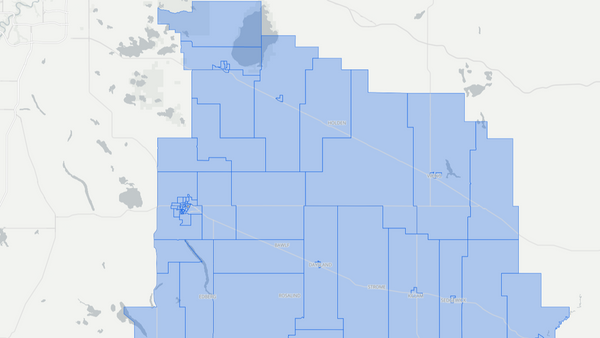
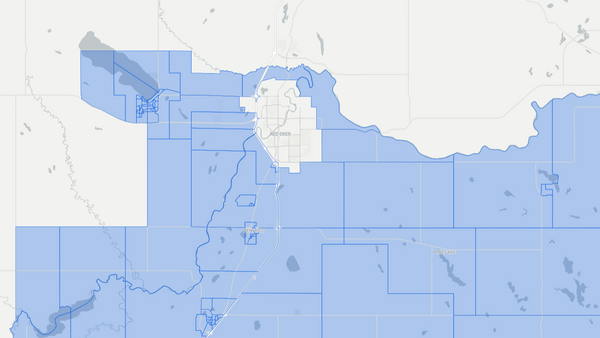
Poll-by-poll results for Drumheller-Stettler in the 2019 Alberta election. The United Conservative candidate won this riding. Explore detailed voting data, candidate results, and turnout statistics at the poll level.
Riding information
Auto generated. Flag an issue.Drumheller—Stettler
Drumheller—Stettler is a sprawling riding in east-central Alberta, stretching from the badlands of the Red Deer River valley to the Saskatchewan border. It encompasses the towns of Drumheller, Stettler, Hanna, Oyen, Consort, and Youngstown, along with Dinosaur Provincial Park and large portions of the Special Areas — a unique administrative region created during the Great Depression to manage land abandoned by drought-stricken settlers. The riding’s economy is built on agriculture, oil and gas, and tourism drawn by Drumheller’s world-famous Royal Tyrrell Museum and its badlands landscape. Incumbent MLA Rick Strankman, first elected as a Wildrose member in 2012, had left the UCP caucus in January 2019 and was running as an independent after losing the party nomination to Nate Horner.
Candidates
Nate Horner (United Conservative) — Horner was a fifth-generation Albertan and rancher from Pollockville, south of Hanna. He held an AgBusiness Diploma from Olds College and a Bachelor of Science in Agriculture from the University of Lethbridge. After university, he purchased his grandfather’s ranch, operating it as a cow-calf mixed farm. He came from a prominent Alberta political family — his relatives include former MPs Jack, Hugh, Albert, and Norval Horner, and former Deputy Premier Doug Horner.
Rick Strankman (Independent) — Strankman was a farmer from Altario, near the Saskatchewan border, who had represented the riding since 2012. He was one of the Wildrose MLAs who refused to cross the floor with leader Danielle Smith to the Progressive Conservatives in 2014. A former agriculture critic, he was known for having been jailed in 2002 for transporting his own wheat across the U.S. border in protest of the Canadian Wheat Board monopoly, serving one week of a 180-day sentence. He and other farmers arrested in the protest received a pardon from Prime Minister Stephen Harper on August 1, 2012. He left the UCP in January 2019, citing what he called "hyper-partisan, self-centred" politics.
Holly Heffernan (NDP) — Heffernan was a retired registered nurse with nearly 40 years of experience in Calgary hospitals, including the Calgary General and Rockyview General. She was involved with the United Nurses of Alberta for 37 years and had served as president of the Calgary and District Labour Council in 2009.
Mark Nikota (Alberta Party) — Nikota had served as Mayor of Hanna from 2010 to 2013 and was working toward a master’s in business and public policy. He had spent many years with the Progressive Conservative Party before joining the Alberta Party.
Jason Hushagen (Alberta Independence) — Hushagen was a self-employed oilfield operator from White Sands who ran as the Alberta Independence Party candidate.
Greg Herzog (Alberta Advantage) — Herzog ran as the Alberta Advantage Party candidate in the riding.
Local Issues
Jobs and economic diversification were the paramount concerns in Drumheller—Stettler heading into 2019. The riding’s dual dependence on agriculture and oil and gas left it exposed to commodity price swings. Candidates across party lines identified economic sustainability as the top priority, with particular attention to value-added agriculture as a path forward for the region.
The coal phase-out announced by the NDP government under the Climate Leadership Plan was a significant concern in the Hanna area, where the Sheerness Generating Station had long been a major employer. The accelerated timeline for eliminating coal-fired electricity generation by 2030 threatened jobs and tax revenue in communities that had depended on coal for decades. The town of Hanna, already facing population decline and business closures, became a symbol of the transition’s impact on small rural communities.
The political contest itself was notable for the rift between Strankman and the UCP. Strankman’s departure from the party and his decision to run as an independent reflected tensions within the conservative movement between grassroots populism and the party establishment. His reputation as an independent voice — rooted in his Wheat Board protest and his refusal to join the 2014 floor-crossing — gave him a personal following in the riding, though the UCP’s organizational strength and Horner’s deep agricultural roots presented a formidable challenge.