Calgary-Elbow — 2015 Alberta Provincial Election Results Map
Calgary-Elbow — 2015 Election Results
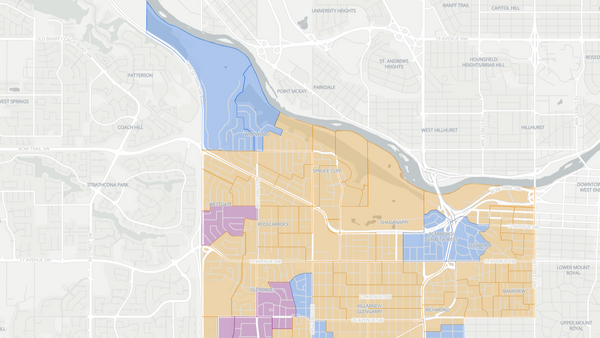
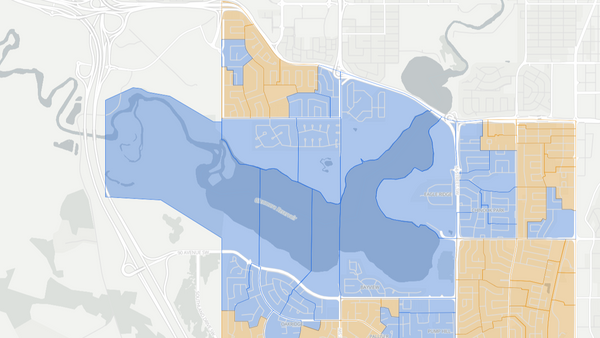
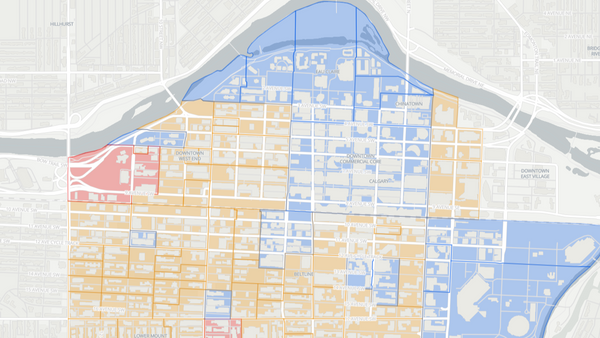
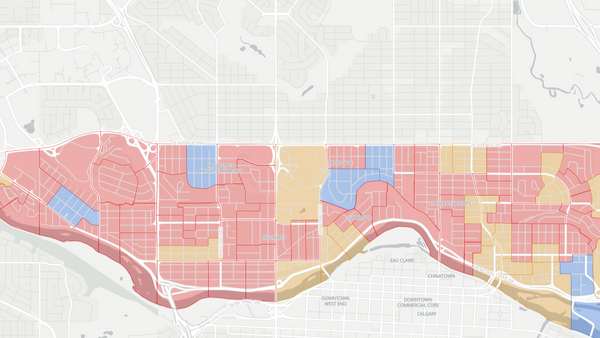
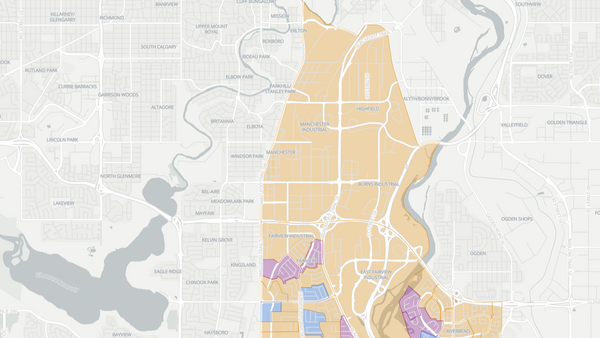
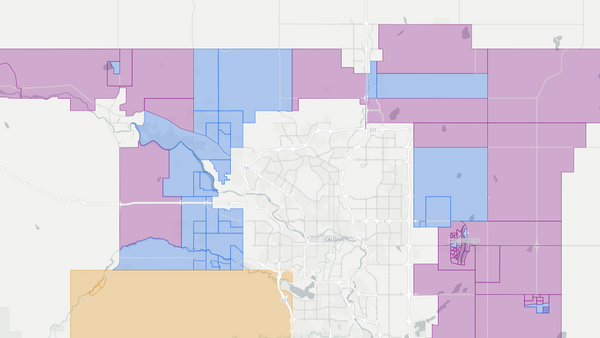
Poll-by-poll results for Calgary-Elbow in the 2015 Alberta election. The Alberta Party candidate won this riding. Explore detailed voting data, candidate results, and turnout statistics at the poll level.
Riding information
Auto generated. Flag an issue.Calgary—Elbow
Calgary—Elbow is an affluent urban riding in southwest Calgary that includes some of the city's most established and prestigious neighbourhoods, among them Elbow Park, Mount Royal, Britannia, Bel-Aire, Rideau Park, and Altadore. The riding is defined by the Elbow River, which winds through its eastern boundary, and features tree-lined streets, historic homes, and a highly educated population with professional and managerial occupations predominating. Calgary-Elbow had been the seat of former Premier Alison Redford, whose resignation amid a spending scandal in 2014 triggered a byelection in October of that year. Gordon Dirks, appointed Education Minister by Premier Jim Prentice before he even held a seat, won that byelection but faced a rematch in 2015 with Alberta Party leader Greg Clark, who had come within roughly 800 votes of defeating him.
Candidates
Greg Clark (Alberta Party) — Clark was born and raised in Calgary and held a political science degree from the University of Victoria and an MBA from Royal Roads University. After working for former Alberta Liberal leader Laurence Decore, he co-founded the information technology consulting firm C3 Associates in 2006, which earned distinction as one of Alberta Venture's fifty fast-growth companies. He won the Alberta Party leadership in September 2013 with eighty-seven percent of the vote and had finished a strong second in the 2014 Calgary-Elbow byelection.
Gordon Dirks (Progressive Conservative) — Dirks was born in Saskatoon and had previously served as a Progressive Conservative MLA in Saskatchewan, representing Regina Rosemont from 1982 to 1986 and holding cabinet posts as Minister of Social Services and Minister of Urban Affairs. He later served as chair of the Calgary Board of Education and as executive pastor of Centre Street Church in Calgary. Premier Prentice appointed him Education Minister in September 2014 despite not holding a legislative seat, and he won the subsequent Calgary-Elbow byelection in October 2014. Alberta's ethics commissioner found that Dirks had used his office for partisan gain by authorizing modular classrooms for a school in his constituency before the byelection.
Catherine Welburn (NDP) — Welburn ran as the NDP candidate in the riding.
Megan Brown (Wildrose) — Brown carried the Wildrose banner.
John Roggeveen (Liberal) — Roggeveen stood as the Liberal candidate.
Local Issues
The riding's political identity was deeply shaped by the Redford spending scandal and its aftermath. Residents of Calgary-Elbow had elected Redford as premier and then watched as revelations about her personal use of government aircraft and plans for a lavish penthouse suite in a government building eroded public trust. Her resignation, followed by the appointment of a cabinet minister who did not hold a legislative seat, left many voters feeling that the PC party had treated the riding as a safe seat to be managed rather than a community to be represented.
Education policy was a particularly pointed issue given that the riding's MLA was the Education Minister. Gordon Dirks's decision to once again shelve the PC government's long-promised full-day kindergarten program frustrated parents, and the ethics commissioner's finding that he had engaged in partisan opportunism with modular classroom announcements undermined his credibility. For a riding with high educational attainment and strong expectations of good governance, these controversies cut deep.
The 2013 flood had also affected portions of Calgary-Elbow, particularly communities along the Elbow River such as Elbow Park and Rideau Park, where homes sustained significant water damage. Flood mitigation measures, including upstream reservoir proposals, remained a pressing concern nearly two years later, and residents wanted provincial commitments to long-term flood protection. The broader question of fiscal management—whether the province could fund flood mitigation, education, and health care while navigating the oil price collapse—framed the debate in a riding accustomed to demanding competence from its representatives.