Yorkton — 2024 Saskatchewan Provincial Election Results Map
Yorkton — 2024 Election Results
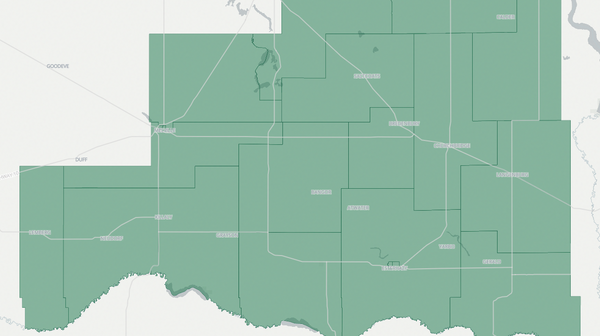
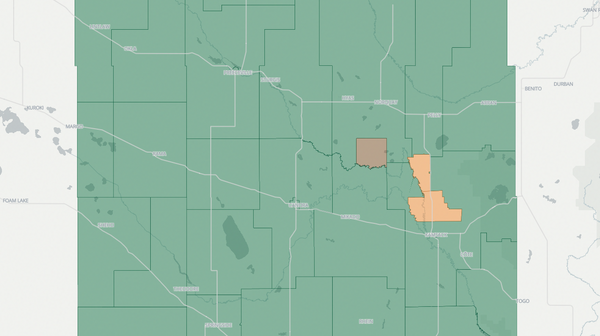
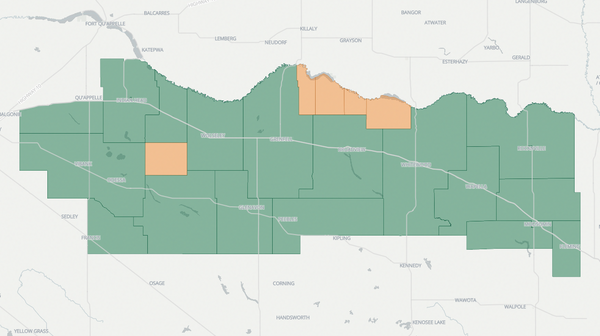
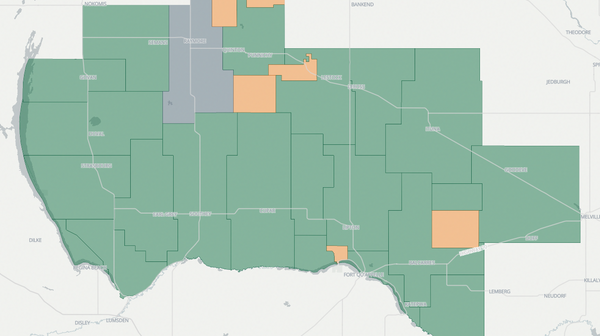
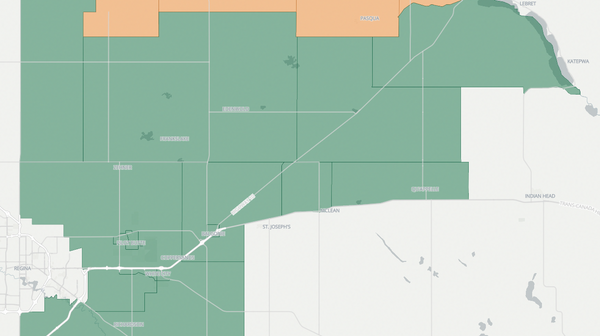
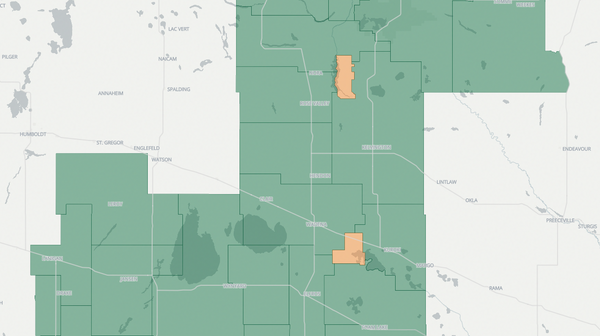
Poll-by-poll results for Yorkton in the 2024 Saskatchewan election. The Saskatchewan Party candidate won this riding. Explore detailed voting data, candidate results, and turnout statistics at the poll level.
Riding information
Auto generated. Flag an issue.Yorkton
Yorkton is centred on the city of the same name in east-central Saskatchewan, a regional service hub of roughly 16,000 people situated along the Yellowhead Highway. Long represented by Saskatchewan Party MLA Greg Ottenbreit—who held the seat from 2007 and served as Minister of Highways and Minister of Rural and Remote Health—the riding opened up when Ottenbreit announced in May 2023 that he would not seek re-election. The 2024 contest became a genuinely competitive race, with the NDP posting a dramatic swing in support compared to 2020 and the Saskatchewan United Party drawing a meaningful share of the right-of-centre vote. Five candidates were on the ballot on October 28, 2024, and mental health counsellor David Chan held the seat for the Saskatchewan Party with just over half the vote.
Candidates
-
David Chan (Saskatchewan Party) — A mental health counsellor who spent years working with youth and families in local First Nations communities, Chan holds degrees from Thompson Rivers University and Royal Roads University. He won a contested three-way Saskatchewan Party nomination in March 2024, defeating Darcy Zaharia and Kaitlyn Kitzan for the right to carry the governing party's banner. He won roughly 52 per cent of the vote in the general election.
-
Lenore Pinder (NDP) — A 20-year veteran of the Saskatchewan healthcare system and longtime Yorkton resident, Pinder served as a director on the local credit union board, a trustee with Good Spirit School Division, and a coach for youth soccer and softball. Her campaign leaned heavily on healthcare and affordability, and she captured about 34 per cent of the vote—a striking improvement over the NDP's 2020 result.
-
Doug Forster (Saskatchewan United Party) — A lifelong Saskatchewan resident born in Esterhazy and long established in Yorkton, Forster served on the city's Planning Commission and the Yorkton Chamber of Commerce board of directors. He finished third with about 12 per cent of the vote.
-
Valerie Brooks (Green Party) — Born in Hudson Bay and based in the Yorkton area since 2019, Brooks worked as a substitute teacher and on temporary contracts with Good Spirit School Division. She served as deputy leader of the Saskatchewan Green Party executive and previously ran as a federal Green candidate in 2021. She took two per cent of the vote.
Local Issues
Yorkton's economy received a major boost during the term with the completion of Richardson International's canola crush plant expansion in 2024, which more than doubled the facility's annual processing capacity to 2.5 million metric tonnes—making it the world's largest canola crusher. The project added jobs and infrastructure, including a high-speed rail shipping system served by both CN and CP, reinforcing Yorkton's position as an agri-processing centre. However, the prosperity was unevenly distributed, and local organizations flagged growing social pressures.
The Society for the Involvement of Good Neighbours (SIGN) highlighted a rise in affordable housing shortages, food insecurity, and mental health and addiction challenges across Yorkton and its surrounding communities during the 2020–2024 term. A 2024 food security assessment identified 12 locations providing free food resources in the city, including a community fridge launched in 2023, but demand continued to outstrip supply. Housing affordability was a particular pain point, with a 2024 provincial survey showing nearly 88 per cent of Saskatchewan renters reporting insufficient affordable options.
Healthcare staffing remained a persistent concern. Recruitment drives filled over 50 positions in the Yorkton area—including physicians brought in through international recruitment and through the Saskatchewan International Physician Practice Assessment program—but residents still reported difficulty accessing family doctors and timely specialist care. The broader provincial pattern of rural ER disruptions hung over the campaign, and all major candidates identified healthcare as a top priority.