Rosetown-Delisle — 2024 Saskatchewan Provincial Election Results Map
Rosetown-Delisle — 2024 Election Results
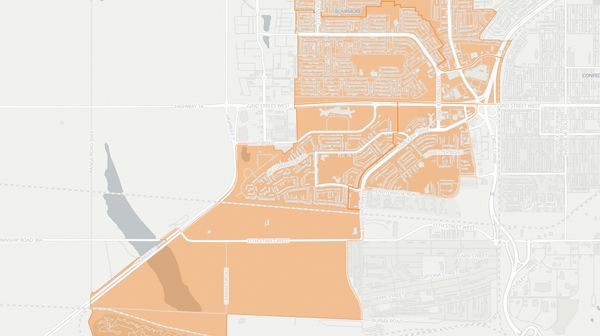
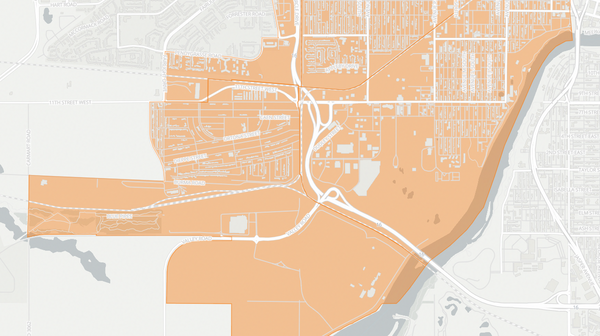
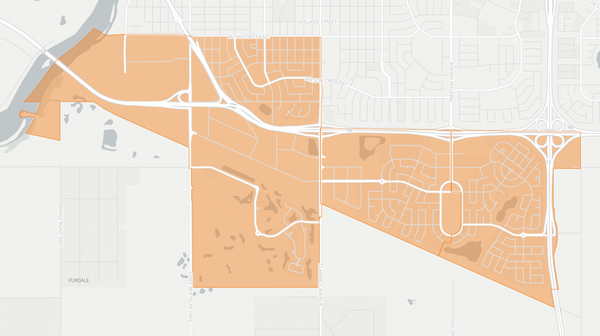
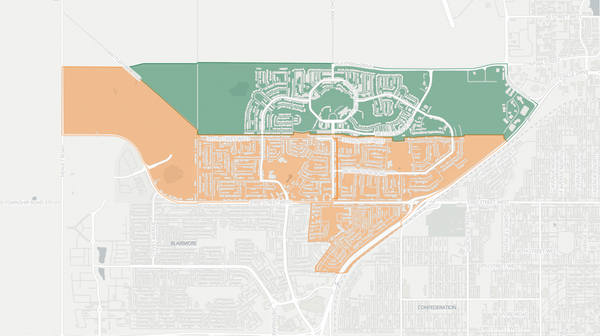
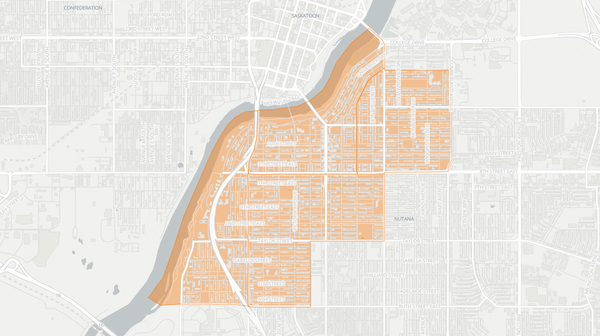
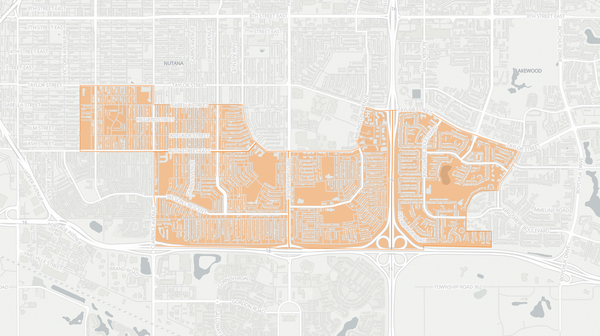
Poll-by-poll results for Rosetown-Delisle in the 2024 Saskatchewan election. The Saskatchewan Party candidate won this riding. Explore detailed voting data, candidate results, and turnout statistics at the poll level.
Riding information
Auto generated. Flag an issue.Rosetown-Delisle
Rosetown-Delisle spans a wide swath of west-central Saskatchewan's agricultural heartland, anchored by the town of Rosetown and extending eastward through Delisle toward the outskirts of Saskatoon. The 2022 redistribution reshaped the old Rosetown-Elrose riding significantly, shifting territory west of Rosetown — including the country around Kindersley — into neighbouring constituencies while drawing in Delisle, Langham, and adjacent exurban communities from the former Biggar-Sask Valley. The result was a constituency that retained its grain-farming identity but gained a more suburban eastern fringe. Jim Reiter of the Saskatchewan Party had represented the area since 2007, ascending through a series of heavyweight cabinet posts, and sought a fifth term with the advantages of incumbency, name recognition, and a rural electorate that had reliably favoured his party by wide margins.
Candidates
Jim Reiter (Saskatchewan Party) — Reiter spent his pre-political career as administrator for the Rural Municipalities of Marriott and Pleasant Valley, both headquartered in Rosetown, and rose through the Rural Municipal Administrators' Association to serve as its president and executive director. First elected in 2007, he was appointed to cabinet two years later and has since held an unusually broad range of portfolios: Highways and Infrastructure, Energy and Resources, Health, Government Relations, Immigration and Career Training, SaskBuilds and Procurement, and — at dissolution — Deputy Premier and Minister of Finance. His deep roots in Rosetown's municipal governance and his management of the province's finances gave him formidable standing in a riding where fiscal conservatism and agricultural pragmatism shape voter expectations.
Brenda Edel (NDP) — Edel lives on an acreage in the RM of Vanscoy with her husband and has worked for SaskTel since 1993. She is the founding president of Barrier Free Saskatchewan, an accessibility advocacy organization, and led a fundraising campaign that raised half a million dollars for a CNIB Vision Loss Rehabilitation program. She had previously run in the old Rosetown-Elrose riding in 2020, giving her familiarity with the constituency's communities and concerns.
Local Issues
Rural healthcare dominated the campaign in Rosetown-Delisle. Emergency-room closures and reduced lab and diagnostic services at small-town hospitals across west-central Saskatchewan left residents anxious about access to urgent care. Communities like Outlook and Rosetown depend on their local health facilities, and the staffing shortages that forced periodic service shutdowns during the 2020-2024 term underscored the difficulty of attracting and retaining physicians and nurses outside the province's major cities. Edel framed healthcare as a question of equity between urban and rural Saskatchewan, while Reiter pointed to recruitment incentives and bursary programs his government had funded.
The cancellation of the Saskatchewan Transportation Company bus service in 2017 continued to reverberate seven years later. Seniors, patients requiring specialist appointments in Saskatoon, and residents without personal vehicles lost a lifeline when STC routes were eliminated, and no adequate replacement had materialized. The NDP pledged to restore a provincial transit service, while the Saskatchewan Party maintained that private-sector alternatives and community-based solutions were the appropriate path forward.
Agriculture and the rural economy rounded out the issue set. Drought conditions in parts of the riding during recent growing seasons heightened anxiety about crop insurance adequacy and the long-term viability of family farms. Rising input costs — fuel, fertilizer, and machinery — squeezed margins for producers already contending with volatile commodity markets, and both parties faced pressure to articulate plans for keeping farming operations sustainable in a region where grain production underpins nearly every other sector of the local economy.