Regina Douglas Park — 2020 Saskatchewan Provincial Election Results Map
Regina Douglas Park — 2020 Election Results
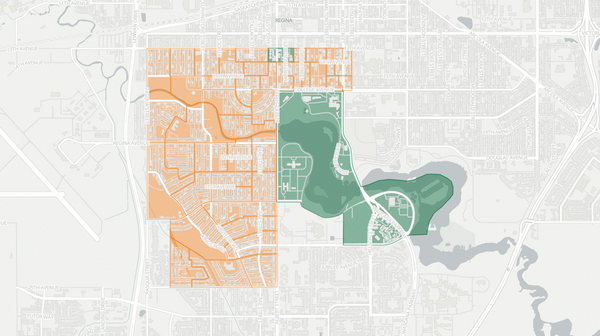
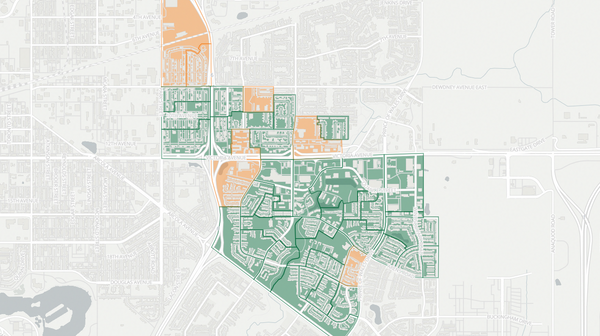
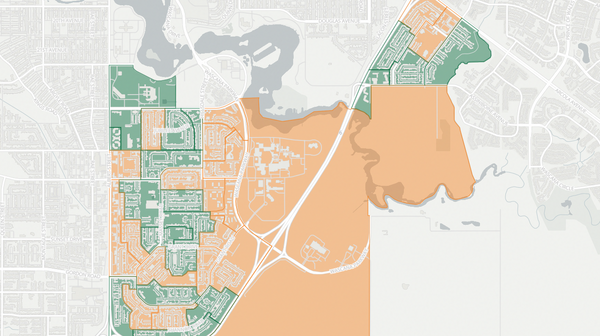
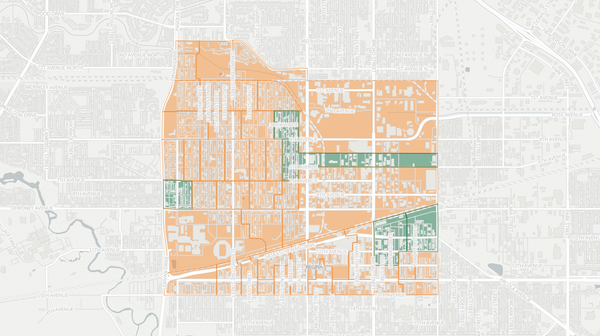
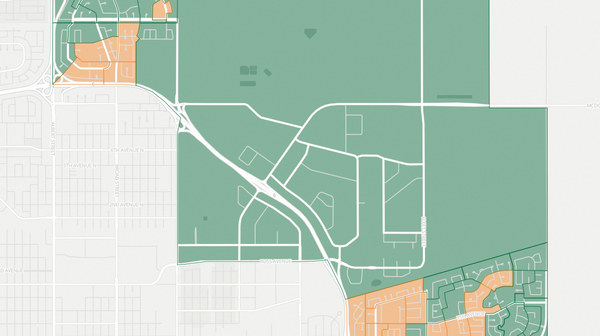
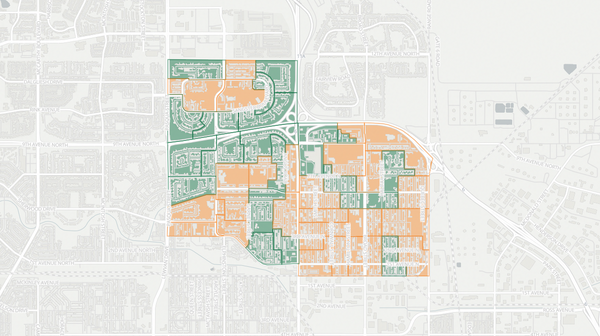
Poll-by-poll results for Regina Douglas Park in the 2020 Saskatchewan election. The NDP candidate won this riding. Explore detailed voting data, candidate results, and turnout statistics at the poll level.
Riding information
Auto generated. Flag an issue.Regina Douglas Park
Regina Douglas Park is situated in central Regina, bounded roughly by Ross Avenue to the north, Broad Street to the west, Wascana Lake to the south, and Ring Road to the east. The riding includes the Cathedral neighbourhood and areas surrounding the provincial legislature and Wascana Centre. NDP lawyer Nicole Sarauer won the seat in 2016, defeating the Saskatchewan Party's CJ Katz, and quickly established herself as one of the NDP's most prominent MLAs. She served as interim NDP leader in 2017 after Trent Wotherspoon stepped down from the role, and before Ryan Meili won the permanent leadership, and continued as Opposition House Leader and Deputy Leader heading into the 2020 campaign.
Regina Douglas Park was one of the NDP's safest seats, and Sarauer was expected to hold it comfortably. The 2020 result confirmed this, with Sarauer winning over 60 percent of the vote in a riding where progressive politics and the NDP brand had strong roots.
Candidates
Nicole Sarauer (NDP) — Sarauer earned her law degree from the University of Saskatchewan's College of Law in 2009 and worked at Pro Bono Law Saskatchewan providing free legal representation to those in need. She was elected as a trustee on the Regina Catholic School Board in 2012 and first won the Douglas Park seat in the 2016 provincial election. She has volunteered with the Regina Sexual Assault Centre, Amnesty International, and the YWCA Big Sisters program.
Nadeem Naz (Saskatchewan Party) — Naz immigrated to Canada from Karachi, Pakistan in 1990 after working in the film and stage production industry for 16 years. In Regina, he became associated with the hotel, restaurant, and customer services industries and worked with Garda Aviation security. He is also a tabla musician who formed a music group called Free Range and toured with the Saskatchewan Roughriders during the province's centennial.
Sara Healey (Progressive Conservative) — Healey was born in Regina and recently completed an office administration course with the Gabriel Dumont Institute with distinction. She has volunteered with the Regina Food Bank and a women's shelter, and has worked as a professional pet stylist and in customer service roles.
Victor Lau (Green Party) — Lau is the former leader and deputy leader of the Saskatchewan Green Party, having been involved in Green politics since helping register the party in 1999. He served as a federal organizer for the Green Party of Canada and campaigned on a guaranteed livable income platform.
Local Issues
Access to justice and legal aid funding were issues that resonated in Regina Douglas Park, given the incumbent's professional background in providing free legal services to low-income residents. Sarauer used her platform to advocate for stronger supports for vulnerable populations, and the NDP's broader promises around social services aligned with the riding's progressive voter base.
Education funding remained a key concern. Saskatchewan's per-student spending had fallen significantly relative to other provinces since 2015-2016, and the 2017 austerity budget's cuts to education were felt in schools across the city. The NDP promised a $125 million safer schools plan to reduce class sizes and hire more teachers, resonating in a riding where many residents were connected to the education system as parents, teachers, or university staff.
The COVID-19 pandemic shaped the campaign's final weeks, with healthcare emerging as the top issue across the province. The NDP's platform called for hiring hundreds of additional healthcare workers, including 100 doctors and 150 registered nurses, and promised $50 million for home care for seniors. The Saskatchewan Party countered with its record on healthcare infrastructure investment and pointed to its handling of the pandemic's early stages as evidence of competent governance.