Kingston and the Islands — 2025 Ontario Provincial Election Results Map
Kingston and the Islands — 2025 Election Results
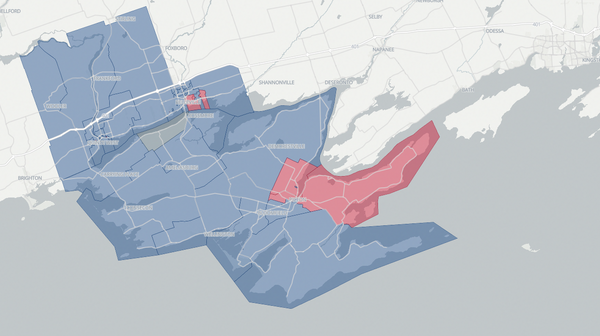
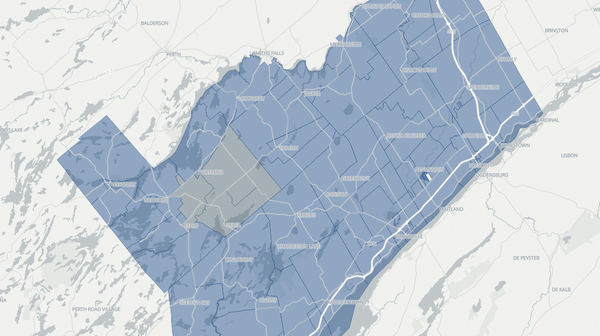
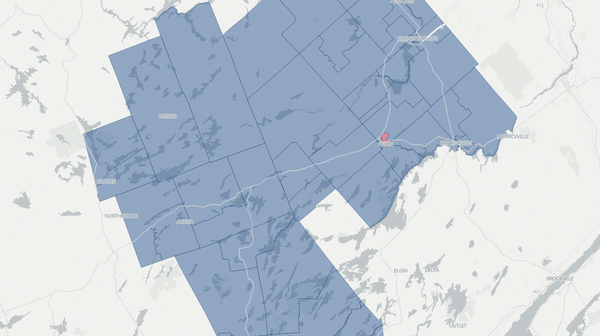
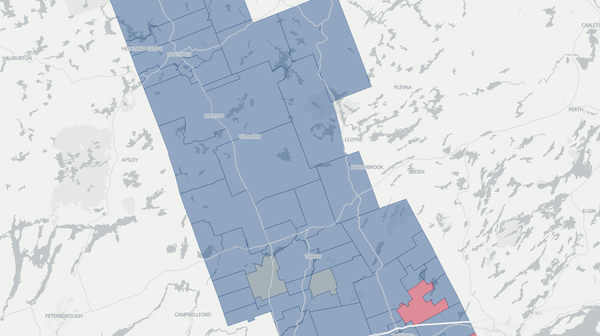
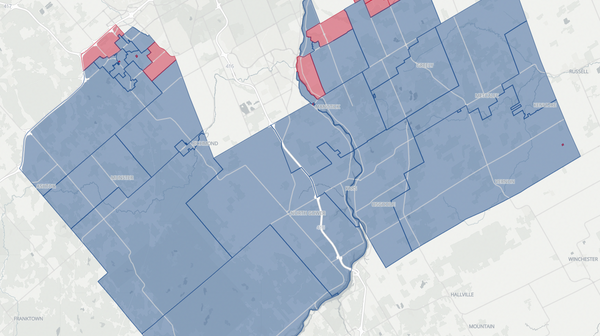
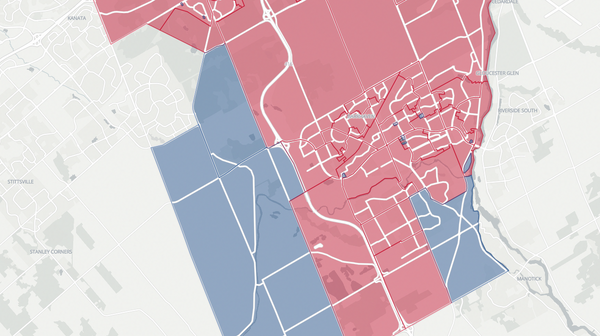
Poll-by-poll results for Kingston and the Islands in the 2025 Ontario election. The Liberal candidate won this riding. Explore detailed voting data, candidate results, and turnout statistics at the poll level.
Riding information
Auto generated. Flag an issue.Kingston and the Islands
Kingston and the Islands is centred on the historic city of Kingston at the eastern end of Lake Ontario, home to Queen’s University, the Royal Military College of Canada, and several major hospitals and correctional facilities. Liberal incumbent Ted Hsu won the seat in 2022 after the NDP’s Ian Arthur chose not to seek re-election. Hsu, a Princeton-trained physicist who had previously served as the federal Liberal MP for the riding from 2011 to 2015, brought an unusual blend of scientific and financial expertise to Queen’s Park. During the 2022–2025 term, he established himself as one of the Liberal caucus’s most prominent voices, and his riding became one of the party’s safest seats.
Kingston’s character as a university and government town with a substantial public-sector workforce distinguished it from the surrounding rural areas of eastern Ontario. The presence of Queen’s University, St. Lawrence College, and Kingston Health Sciences Centre gave the riding a high concentration of educated professionals, while the city’s large stock of tax-exempt institutional land limited the municipal tax base and contributed to housing pressure.
Candidates
Ted Hsu (Liberal) — A physicist with a PhD from Princeton University, Hsu worked as a researcher and trader for Banque Nationale de Paris in Paris and as an executive director at Morgan Stanley in Tokyo before returning to Kingston. He served as the federal Liberal MP from 2011 to 2015 and later served as executive director of SWITCH, a Kingston non-profit promoting sustainable energy, before winning the provincial seat in 2022.
Ian Chapelle (Progressive Conservative) — Chapelle brought experience from both Queen’s Park and Parliament Hill to his candidacy. He did not participate in all-candidates debates during the campaign, a decision that drew criticism from the other major party candidates.
Elliot Goodell Ugalde (NDP) — A PhD candidate in political science at Queen’s University, Goodell Ugalde focused his campaign on affordable housing, improved healthcare services, and workers’ rights. He drew attention to food insecurity and hospital wait times as issues disproportionately affecting Kingston residents.
Zachary Typhair ran for the Green Party, Allan Wilson for the Ontario Party, and James McNair for the None of the Above Direct Democracy Party.
Local Issues
The family doctor shortage was the most urgent healthcare concern in Kingston during the 2022–2025 term. A mass retirement of physicians from a local family health team in 2023 left thousands of patients without primary care. By 2024, the City of Kingston had invested three million dollars into doctor recruitment, including the launch of a municipally funded Primary Care Clinic Grant program offering up to one hundred thousand dollars to help existing clinics expand. Despite these efforts, many residents remained on a waitlist for a family physician. The paradox of a city with a premier medical school at Queen’s University yet a profound doctor shortage underscored the complexity of the recruitment challenge.
Housing affordability remained a central preoccupation. Kingston’s combination of a large student population, institutional employers, and significant tax-exempt land created unusual market pressures. Rental prices climbed during the term, and all major candidates offered proposals for increasing housing supply. The interplay between student housing demand, short-term rental conversions, and the needs of year-round residents complicated any straightforward solution.
The open question of correctional facilities shaped local debate in ways unique to the riding. Kingston hosts several federal penitentiaries and the provincial government’s decisions about justice policy had direct implications for a city where corrections represented a significant employer. At the same time, the large concentration of institutional land limited what could be developed for housing or commercial purposes, constraining the municipality’s ability to address growth pressures through conventional planning tools.