Humber River—Black Creek — 2025 Ontario Provincial Election Results Map
Humber River—Black Creek — 2025 Election Results
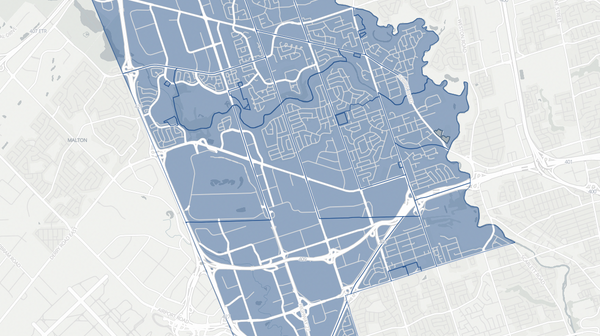
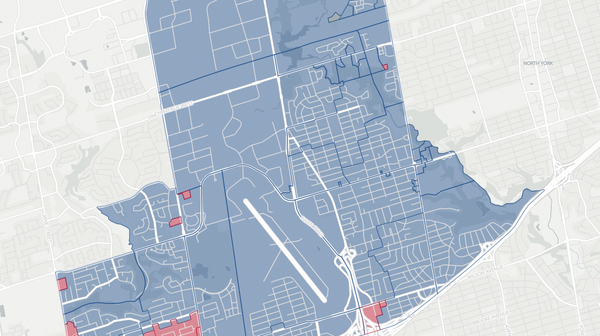
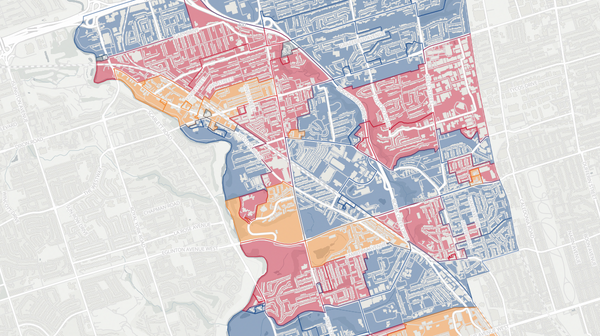
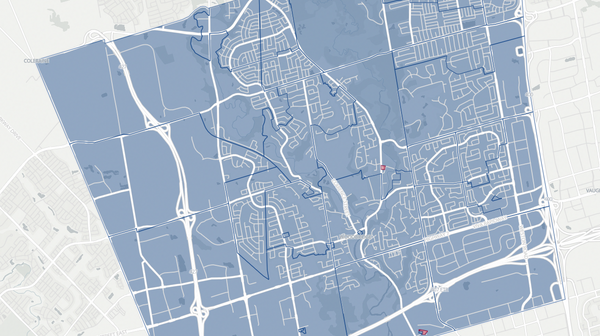
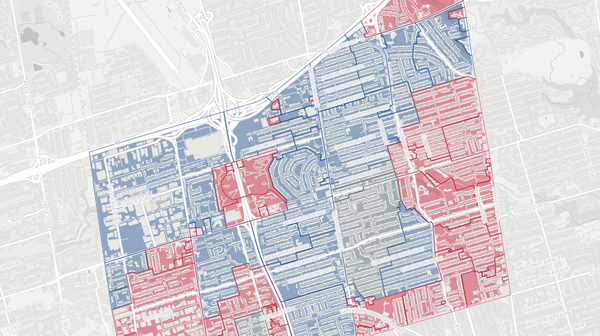
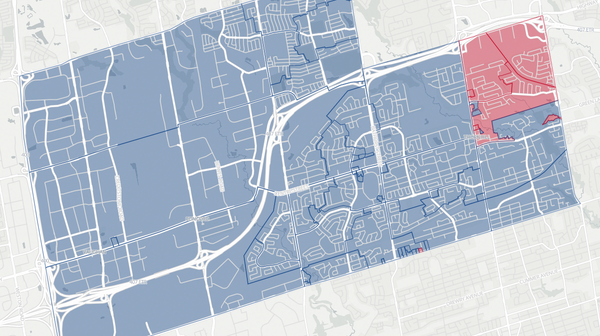
Poll-by-poll results for Humber River—Black Creek in the 2025 Ontario election. The NDP candidate won this riding. Explore detailed voting data, candidate results, and turnout statistics at the poll level.
Riding information
Auto generated. Flag an issue.Humber River—Black Creek
Humber River—Black Creek is an ethnically diverse riding in northwest Toronto that takes in the neighbourhoods of Jane and Finch, Humber Summit, Humbermede, and York University Heights. NDP incumbent Tom Rakocevic first won the seat in 2018 and was re-elected in 2022, establishing himself as a persistent voice on transit, auto insurance reform, and community investment. During the 2022–2025 term, Rakocevic served as the Official Opposition’s shadow minister for public and business service delivery and procurement, with a particular focus on auto insurance reform. The riding’s large immigrant and working-class population made affordability, public safety, and transit access perennial concerns heading into the 2025 contest.
The most significant development in the riding during this term was the advancement of the Finch West Light Rail Transit project. By September 2024, the province announced that all eighteen stations and stops along the 10.3-kilometre line had been completed and the project had entered its testing and commissioning phase, though no official opening date had been set. The promise of improved transit connectivity brought both excitement and anxiety to a community already grappling with rising rents and the prospect of displacement.
Candidates
Tom Rakocevic (NDP) — The incumbent MPP, Rakocevic grew up in the riding and spent more than twenty-five years advocating for the Jane-Finch community. Before entering provincial politics, he worked as executive assistant to Toronto City Councillor Anthony Perruzza. At Queen’s Park, he focused on transit expansion, consumer protection, and auto insurance reform as the NDP’s critic in those portfolios.
Paul Nguyen (Progressive Conservative) — A recognized community leader and the founder of Jane-Finch.com, a hyperlocal news platform, Nguyen brought more than twenty years of public sector experience in government and education to his candidacy. He is a recipient of the Ontario Medal for Good Citizenship and the Paul Yuzyk Award for Multiculturalism, and was among the first Canadians to receive the Queen Elizabeth II Diamond Jubilee Medal for his work mentoring at-risk youth and challenging stereotypes about the Jane-Finch neighbourhood.
Liban Hassan (Liberal) — A Toronto District School Board trustee and housing policy professional, Hassan served as vice-chair of the TDSB’s finance and budget committee and chair of its Black Student Achievement Committee. He also contributed to the federal National Housing Strategy, focusing on Indigenous policy development.
Alexander Qanbery ran for the Green Party and Jeanne McGuire for the Communist Party.
Local Issues
The Finch West LRT dominated local discussion throughout the term. While the completion of stations in 2024 marked a visible milestone, years of construction had disrupted traffic, reduced foot traffic for small businesses along Finch Avenue West, and fuelled concerns about rising property values and the displacement of long-time tenants in aging apartment towers. Community organizations continued to press for a Jane-Finch Community Hub and Centre for the Arts on surplus Metrolinx land, a project that had been promised but remained under development.
Housing affordability was inseparable from the transit conversation. The riding’s median incomes sat well below the provincial average, and a large proportion of residents were renters in older high-rise buildings vulnerable to above-guideline rent increases. Advocates warned that new transit infrastructure, combined with intensification plans under the City of Toronto’s Jane Finch Initiative, risked pushing out the very residents the LRT was meant to serve.
Community safety remained a persistent preoccupation. The Jane-Finch area continued to contend with gun violence, and residents called for greater provincial investment in youth programming, mental health services, and community-led public safety strategies rather than policing alone. The adequacy of provincial funding for schools and recreation facilities in one of the city’s most underserved neighbourhoods was a recurring theme at local campaign events.