Richmond Centre — 2024 British Columbia Provincial Election Results Map
Richmond Centre — 2024 Election Results
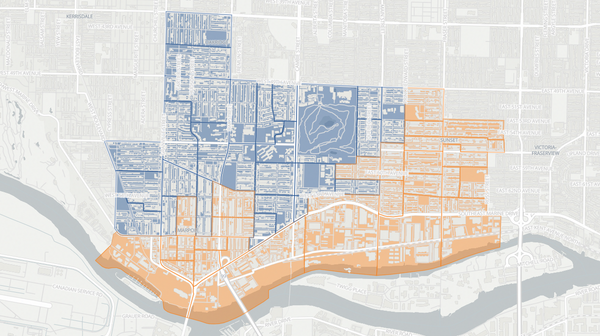
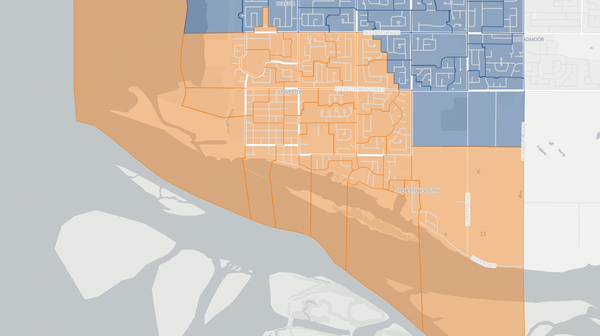
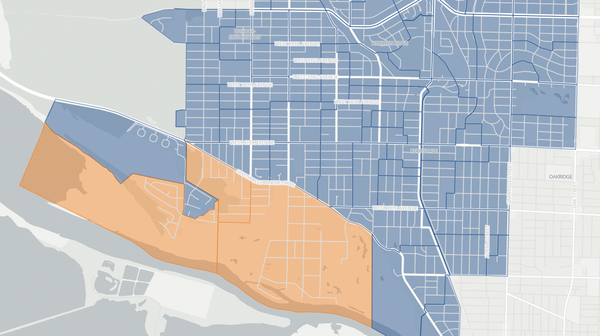
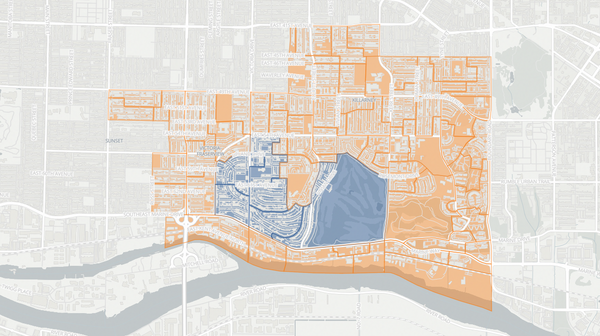
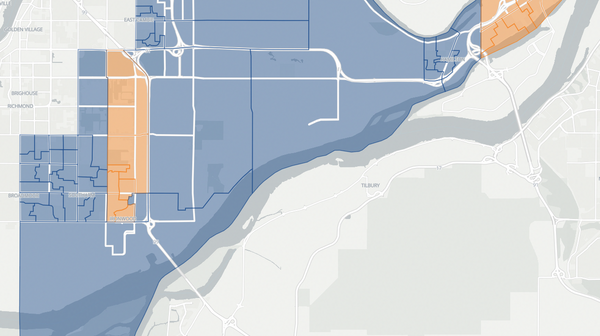
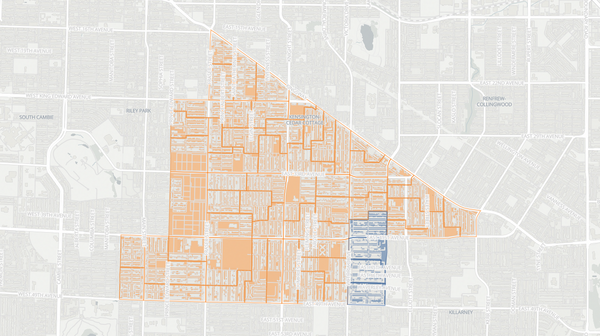
Poll-by-poll results for Richmond Centre in the 2024 British Columbia election. The Conservative Party candidate won this riding. Explore detailed voting data, candidate results, and turnout statistics at the poll level.
Riding information
Auto generated. Flag an issue.Richmond Centre
Richmond Centre encompasses the heart of the city of Richmond, centred on the dense commercial and residential corridor along No. 3 Road between the Aberdeen and Lansdowne SkyTrain stations. The riding is one of the most compact and urbanized in British Columbia, with high-rise residential towers flanking the Canada Line rapid transit route, shopping malls that serve as community gathering places for the city's large Chinese-Canadian population, and a mix of restaurants, professional offices, and retail that gives the area its distinctively cosmopolitan character. The riding was redrawn in the 2024 redistribution, replacing the former Richmond South Centre seat with new boundaries.
Henry Yao had won Richmond South Centre for the NDP in 2020, a breakthrough in a city that had been a BC Liberal stronghold for decades. The 2024 redistribution placed him in the new Richmond Centre riding, where he faced a Conservative candidate and several independents in a contest shaped by public safety, housing, and the broader collapse of the centre-right BC United party.
Candidates
Hon Chan (Conservative Party) — Chan grew up in Richmond and graduated from the University of British Columbia. He spent fifteen years as a broadcast journalist at Fairchild TV, working as a news anchor, assignment editor, and talk show host covering issues including addiction, homelessness, and immigration. He was nominated as the Conservative candidate in August 2024.
Henry Yao (BC NDP) — Yao was born in Taiwan and immigrated to Canada at age eleven, settling in Richmond. He held a bachelor's degree in psychology from UBC and co-founded the Dialogue Richmond Society, an organization promoting constructive community discussions. Elected as MLA for Richmond South Centre in 2020, he was seeking re-election in the redrawn riding.
Wendy Yuan (Independent) — Yuan was a businesswoman and former aide to Premier Christy Clark who had been the BC United candidate for the riding before the party suspended operations. She had previously been a federal Liberal candidate in 2008 and 2011 and was appointed Leader's Representative in BC by former Prime Minister Paul Martin in 2004.
Dickens Cheung (Independent) and Sunny Ho (Independent) also ran, each receiving a limited share of the vote.
Local Issues
Public safety and the toxic drug crisis had become a dominant campaign issue across Richmond by 2024, and Richmond Centre was no exception. The NDP government's decriminalization pilot, which removed criminal penalties for possession of small amounts of illicit drugs beginning in January 2023, generated significant concern in a community that perceived an increase in public drug use, discarded needles, and associated disorder in public spaces. Premier Eby's decision to partially reverse the policy in May 2024 — restricting public consumption of drugs — reflected the political pressure that had built in communities across the province, but the Conservative platform went further, promising to end decriminalization entirely and close supervised consumption sites.
The George Massey Tunnel replacement remained a regional infrastructure issue with direct implications for Richmond. The aging tunnel on Highway 99 connecting Richmond and Delta had been the subject of planning and political debate for more than a decade. The BC Liberal government had planned a ten-lane bridge, which the NDP scrapped in 2017 in favour of an eight-lane immersed-tube tunnel. By 2024, the replacement project had a price tag of approximately $4.15 billion, but construction had not begun, and commuters continued to endure daily congestion. The prolonged delays frustrated residents across Richmond, who viewed the crossing as essential infrastructure that had been mired in political indecision.
Housing affordability and cost of living were the overarching pocketbook concerns. Richmond Centre's densely developed corridor along No. 3 Road continued to see new residential tower construction, but prices remained among the highest in Metro Vancouver, and the rental market offered little relief for families on moderate incomes. The NDP government's speculation and vacancy tax, while credited with bringing vacant properties back to the market, continued to generate mixed reactions in a community with extensive transnational family ties. The adequacy of multilingual government services, settlement support for newcomers, and the capacity of local schools to accommodate a growing and diverse student population were practical concerns that shaped everyday life in the riding.