Ville-Marie—Le Sud-Ouest—Île-des-Soeurs, QC — 2025 Federal Election Results Map
Ville-Marie—Le Sud-Ouest—Île-des-Soeurs — 2025 Election Results
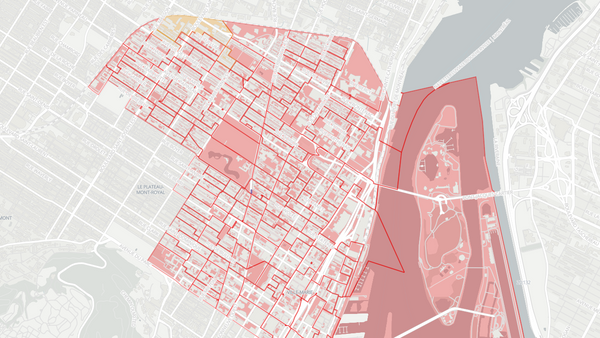
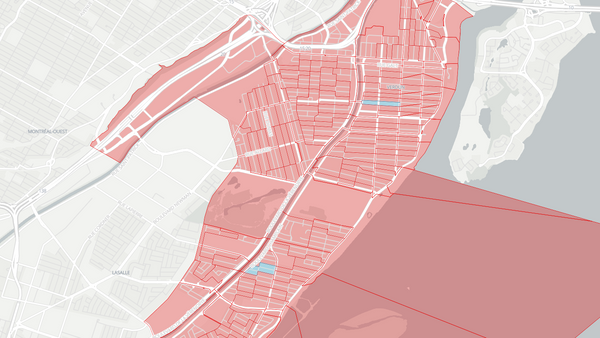
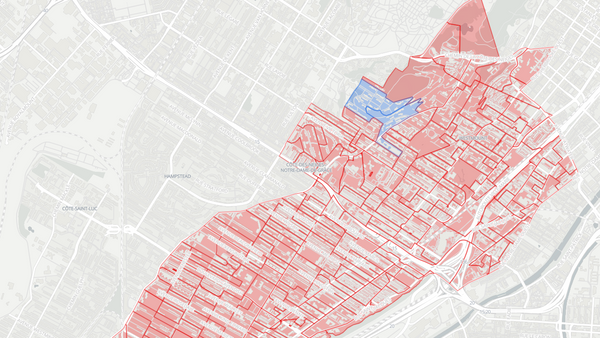
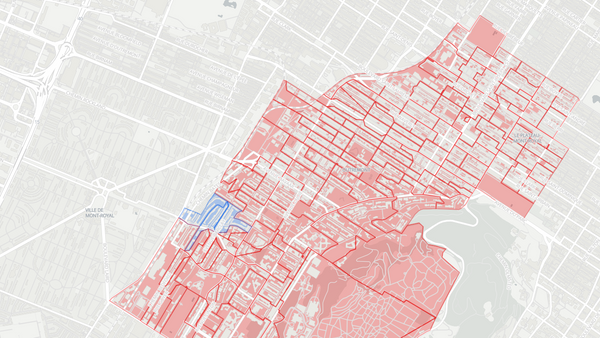
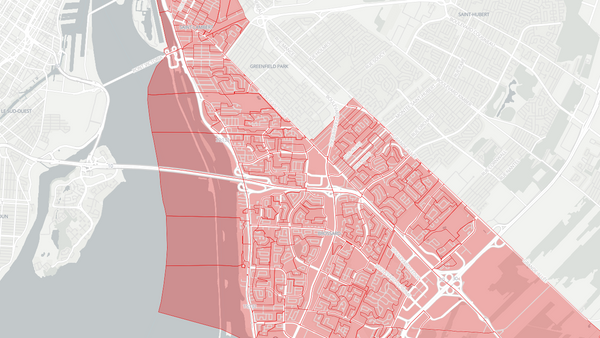
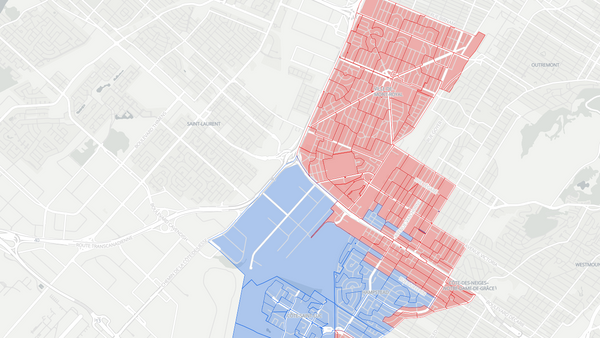
Poll-by-poll results for Ville-Marie—Le Sud-Ouest—Île-des-Soeurs in the 2025 Canadian federal election. The Liberal candidate won this riding. Explore detailed voting data, candidate results, and turnout statistics at the poll level.
Riding information
Auto generated. Flag an issue.Ville-Marie--Le Sud-Ouest--Ile-des-Soeurs
Ville-Marie--Le Sud-Ouest--Ile-des-Soeurs occupies the southern core of the Island of Montreal, encompassing the western portion of the Ville-Marie borough -- including much of downtown, Old Montreal, the Quartier des spectacles, and the slopes of Mount Royal -- alongside the Le Sud-Ouest borough neighbourhoods of Saint-Henri, Little Burgundy, Griffintown, and Pointe-Saint-Charles, as well as Nuns' Island in the borough of Verdun. The riding has a population of roughly 114,000 and is one of the most linguistically diverse in Quebec, with French spoken as a mother tongue by about 43 percent of residents, English by 21 percent, and a wide range of other languages accounting for the remainder.
Candidates
Marc Miller (Liberal) -- Born in 1973, Miller is a lawyer who practised mergers and acquisitions and international commercial law in Montreal, Stockholm, and New York before entering politics. He previously served as an infantry soldier in the Canadian Armed Forces. First elected in 2015, he held successive cabinet portfolios including Indigenous Services, Crown--Indigenous Relations, and Immigration, Refugees and Citizenship. He made parliamentary history in 2017 by delivering a statement in the House of Commons entirely in Mohawk.
Steve Shanahan (Conservative) -- Born in 1970 in Sherbrooke, Shanahan is a marketing consultant with a bachelor's degree in administration from Bishop's University. He served on Montreal city council from 2013 to 2017 as the Peter-McGill district councillor under the Vrai changement pour Montreal party. He previously ran as the Conservative candidate in the riding in 2015.
Kevin Majaducon (Bloc Quebecois) -- A Montreal native of Philippine origin, Majaducon studied human sciences and attended the University of Edinburgh after Bishop's University. A political advisor to the Bloc MP for LaSalle--Emard--Verdun, he has been active in both the Bloc Quebecois and the Parti Quebecois, contributing to youth forums and the national youth committee. He previously worked as a youth centre coordinator and in youth protection.
Suzanne Dufresne (NDP) -- A 78-year-old retired rail employee, Dufresne represented the NDP in the riding.
Nathe Perrone (Green Party) -- A community worker and animal rights activist dedicated to social inclusion and climate justice, Perrone represented the Green Party of Canada in the riding.
Giovanni Di Placido (Parti Rhinoceros Party) -- Di Placido represented the satirical Rhinoceros Party in the riding.
About the Riding
The riding is an economic powerhouse and cultural hub. Downtown Ville-Marie contains Montreal's financial district, the headquarters of major corporations, and two of the city's largest universities -- McGill and Concordia. Old Montreal draws millions of tourists annually to its cobblestone streets and waterfront. The Le Sud-Ouest neighbourhoods, once working-class francophone and anglophone industrial communities built around the Lachine Canal, have undergone dramatic gentrification over the past two decades. Griffintown has been transformed almost entirely into condominium towers, while Saint-Henri and Pointe-Saint-Charles have seen rising rents alongside new restaurants and galleries. Nuns' Island is an affluent residential enclave of high-rise and townhouse developments.
In 2025, the riding's federal issues reflected its diverse and rapidly changing character. Housing affordability was paramount, particularly in gentrifying neighbourhoods where longtime renters faced displacement. Homelessness in the downtown core and along the Lachine Canal was a visible and growing concern. The impact of US trade tensions on Montreal's finance and professional services sectors, federal support for the arts and culture in a riding home to many of Canada's major cultural institutions, and immigration policy in one of Montreal's most cosmopolitan districts were also central themes.